

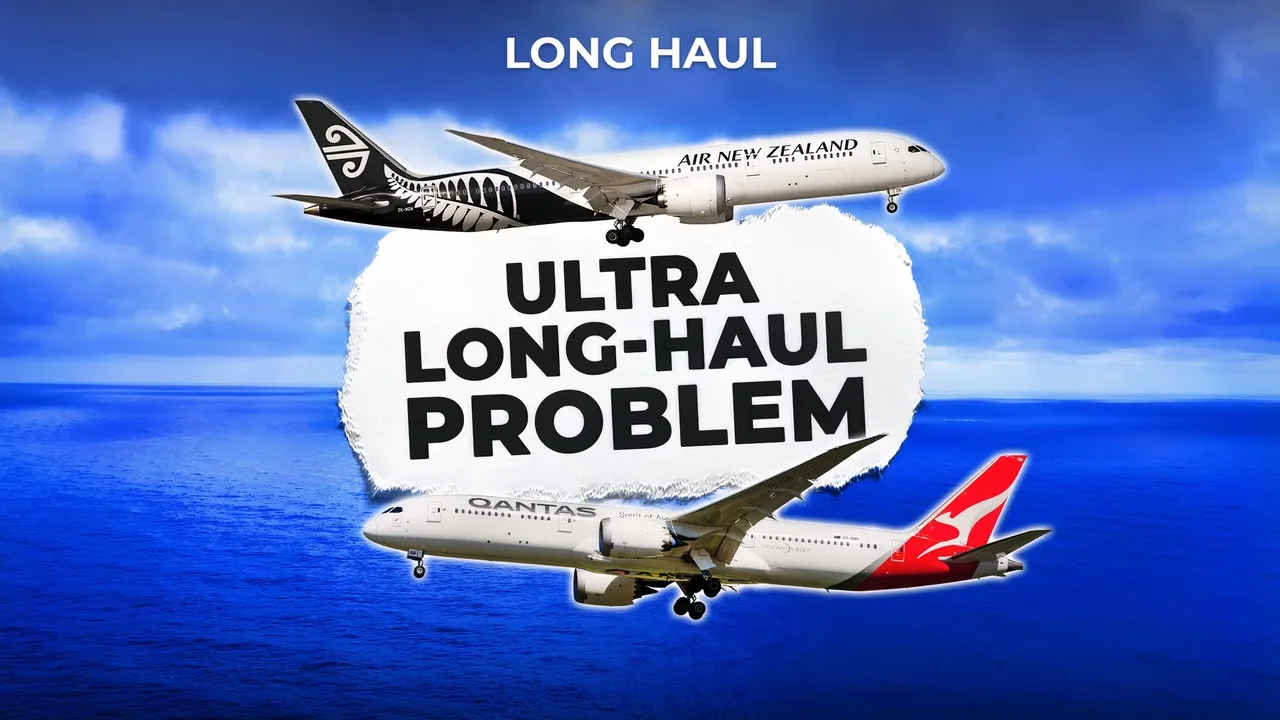
The world of ultra-long-haul flights is an exciting one, connecting distant cities with non-stop service that was previously unimaginable. These routes push the boundaries of aircraft capabilities and offer a unique experience for passengers. However, despite their promise, ultra-long-haul flights also come with significant challenges that airlines must navigate.
One of the key factors affecting these routes is economics. While newer aircraft like the Airbus A350 and Boeing 787 are more economical than older models, they still require substantial investment to operate. This can be a major hurdle for airlines looking to launch new ultra-long-haul services.
The financial struggles faced by some ultra-long-haul flights are well-documented. Airlines must contend with high fuel costs, which can account for up to 30% of their operating expenses. Additionally, crew fatigue and the need for specialized training can also impact the viability of these routes.
Another challenge airlines face is the hidden cost of maintaining passenger comfort during ultra-long-haul flights. With limited amenities and in-flight entertainment options, passengers may feel uncomfortable or restless during extended periods at 30,000 feet. This can lead to a negative experience that affects airline reputation and customer loyalty.
In contrast, Qantas has successfully launched several ultra-long-haul routes, including services from Sydney to London and Perth to Dallas. These flights have been made possible by the airline's investment in new aircraft and its focus on optimizing crew schedules to minimize fatigue.
Air New Zealand has also taken a proactive approach to addressing the challenges of ultra-long-haul flights. The airline has implemented measures such as improved in-flight entertainment options and enhanced meal services to improve passenger comfort during long-haul journeys.
Despite these efforts, ultra-long-haul flights still pose significant risks for airlines. Crew fatigue, medical emergencies, and equipment failures can all have serious consequences if not properly managed. Airlines must therefore prioritize crew training and safety protocols to ensure the success of these routes.
To make ultra-long-haul flights more sustainable, airlines are exploring innovative solutions such as more efficient aircraft designs and alternative fuel sources. These advancements hold promise for reducing emissions and operating costs, but their implementation will require significant investment and collaboration between industry stakeholders.
Ultimately, the future of ultra-long-haul flights depends on airlines' ability to balance passenger comfort with operational efficiency and cost-effectiveness. By investing in new technologies and prioritizing crew safety, airlines can overcome the challenges associated with these routes and create a more sustainable aviation industry.