

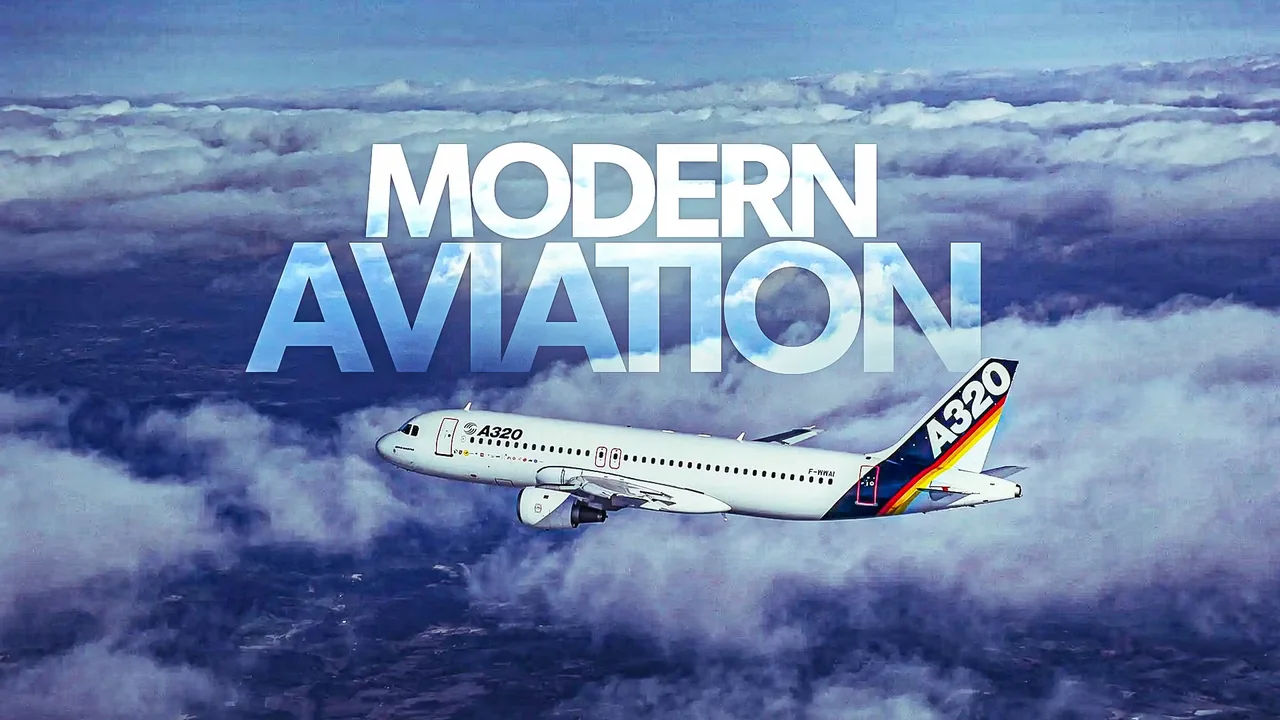
The evolution of modern aviation is deeply rooted in the pioneering spirit of a European consortium that dared to challenge the dominance of American manufacturers. When Airbus first emerged, the global market was largely controlled by Boeing, McDonnell Douglas, and Lockheed, leaving little room for innovation. However, over the last five decades, Airbus has systematically disrupted the status quo, introducing technologies that have become industry standards.
The company's commitment to innovation has enabled airlines to operate more profitably and safely, providing the range and capacity to connect the world more efficiently than ever before. The Airbus story is one of continual growth, standing today as the most impactful commercial aircraft manufacturer in the world.
One of the latest releases but also one of the most game-changing, the Airbus A321XLR represents the ultimate evolution of the A320 family, pushing the boundaries of what a single-aisle aircraft can achieve. Incorporating a permanent rear center tank to increase fuel capacity, Airbus has created a narrowbody capable of flying genuine long-haul missions that could never have been achieved before on an aircraft of this category.

This development allows airlines to bypass major hubs and connect secondary cities directly, fundamentally changing the point-to-point travel model that dominates the current decade. With a range of 4,700 nautical miles and a capacity of up to 244 passengers, the XLR delivers narrowbody economics to routes as long as 11 hours.
The A321XLR's efficiency is particularly valuable for low-cost carriers and full-service airlines alike, as it significantly lowers the risk of opening new intercontinental paths. This democratization of long-haul travel has significant implications for the industry, enabling over 1,000 new routes to become commercially viable.
The Airbus A350 represents Airbus' venture toward advanced material science, serving as the first Airbus airframe constructed primarily from carbon-fiber reinforced plastic. This clean-sheet design was a direct response to the need for more efficient and sustainable flight options.
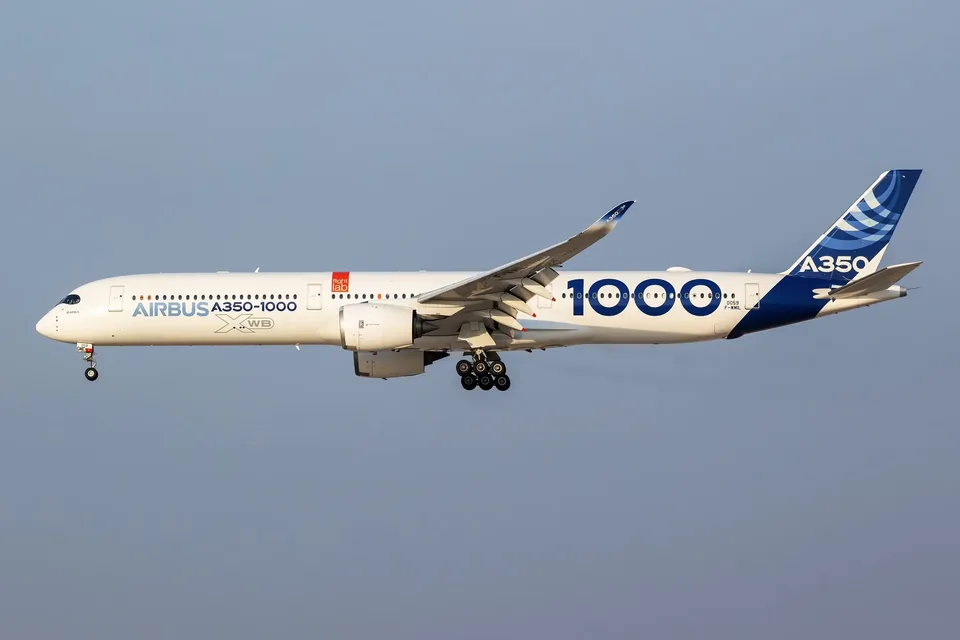
The introduction of the A350 marked a significant shift in the industry's approach to aircraft design, enabling manufacturers to create lighter, stronger, and more fuel-efficient planes. This technology has had a profound impact on the environment, reducing greenhouse gas emissions and operating costs.
Airbus' commitment to innovation has not only transformed the aviation industry but also set new standards for sustainability and efficiency. As the company continues to push the boundaries of what is possible, it is clear that the future of flight will be shaped by bold engineering gambles and a relentless pursuit of excellence.
The A321XLR's success is a testament to Airbus' ability to adapt to changing market demands and stay ahead of the curve. As the industry continues to evolve, it will be interesting to see how other manufacturers respond to this game-changing aircraft.

The introduction of advanced materials has significantly impacted the industry, enabling more efficient and sustainable flight options.