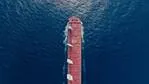
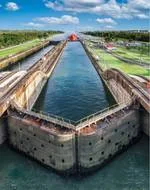
The Panama Canal Authority has issued a statement downplaying a recent report that an LPG vessel paid $4 million to bypass the regular transit queue. The authority claims that the unusual payment was due to temporary market conditions rather than any predetermined fee set by the waterway. This response comes as tensions between Iran and its neighbors continue to escalate, affecting global energy markets. As a result, some vessels are seeking alternative routes to avoid potential disruptions. The Panama Canal's reputation is at stake in this matter.
The report in question alleged that an LPG vessel paid a substantial fee to jump the queue, sparking concerns about the fairness of the canal's tolls. However, the Panama Canal Authority disputes these claims, stating that the payment was simply a reflection of the current market situation. This stance suggests that the authority is trying to distance itself from any perceived wrongdoing. The implications of this incident are far-reaching, with potential consequences for the global energy industry.
The Panama Canal is one of the busiest waterways in the world, with thousands of vessels passing through it every year. Its tolls are set based on a complex system that takes into account factors such as vessel size and cargo type. However, the recent report has raised questions about the fairness of these tolls and whether they are being applied consistently. The Panama Canal Authority must address these concerns to maintain public trust.
The recent incident highlights the complexities of global energy markets and the need for flexibility in responding to changing circumstances. As tensions between Iran and its neighbors continue to escalate, vessels are increasingly seeking alternative routes to avoid potential disruptions. This has led to a surge in demand for transit services at other waterways, such as the Suez Canal. The Panama Canal must adapt to these changes to remain competitive.
The Panama Canal's reputation is built on its ability to provide efficient and reliable transit services to vessels of all sizes. However, recent incidents like this one have raised questions about the authority's commitment to fairness and transparency. If left unaddressed, these concerns could damage the canal's reputation and drive away business. The authority must take swift action to address these issues.
The implications of this incident extend beyond the Panama Canal itself, with potential consequences for the global energy industry. As vessels seek alternative routes to avoid disruptions, the demand for transit services at other waterways is likely to increase. This could lead to higher tolls and reduced capacity, affecting the entire supply chain. The industry must be vigilant in monitoring this situation and taking steps to mitigate any negative impacts.
The recent report has also raised questions about the role of third-party facilitators in the Panama Canal's operations. Some vessels may seek to pay fees to bypass the regular transit queue, but these payments are not always transparent or regulated. The Panama Canal Authority must ensure that its rules and regulations are clear and enforced consistently to maintain public trust.
Ultimately, the Panama Canal Authority's response to this incident will determine the course of its reputation in the eyes of the global shipping community. By addressing concerns about fairness and transparency, the authority can restore confidence in its operations and continue to provide efficient and reliable transit services to vessels of all sizes.