Honda's latest move in the electric vehicle market is a significant one, as the automaker has announced its partnership with micromobility firm Third Lane Mobility to launch more tiny, pedal-powered EVs into the urban cargo delivery space. Despite taking a step back from its initial plans for US-based electrification, Honda is determined to capitalize on the growing demand for sustainable transportation solutions.
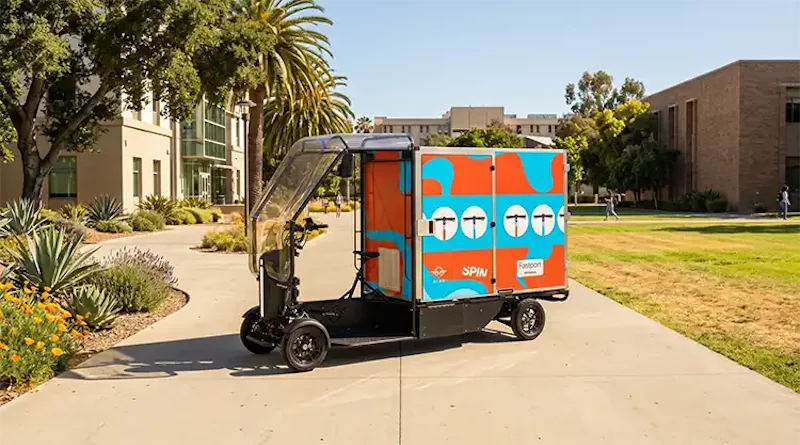
The company's Fastport venture has joined forces with Third Lane Mobility to introduce the eQuad, a four-wheeled, all-electric cargo bike designed to fit within the width of a typical bike lane. With its unique design and features, the eQuad aims to provide a safe and efficient solution for urban delivery needs.
Honda's decision to focus on urban cargo delivery comes as the company seeks to address regulatory obstacles and safety concerns associated with bike lanes. By partnering with micromobility firms like Bird and Spin, Honda hopes to engage customers and drive adoption of its eQuad technology.
The eQuad's design has been recognized by the Red Dot design award organization, which conferred a 2025 'Best of the Best' design concept prize on the vehicle. The company's decision to retain familiar components such as seat, pedals, and handlebar was a deliberate choice to appeal to both frequent and occasional cyclists.
However, the introduction of eQuad technology raises concerns about bike lane safety and clutter. As high-speed delivery e-bikes and specialized recreational e-bikes proliferate, bike lanes are becoming increasingly congested. The added presence of cargo e-bikes like the eQuad may exacerbate this issue.
Honda's efforts to promote sustainable transportation solutions are a welcome move in the fight against climate change. By focusing on urban cargo delivery, the company is helping to reduce carbon emissions from delivery trucks and promote more efficient use of city streets.
Despite regulatory challenges ahead, Honda's partnership with Third Lane Mobility provides a promising solution for urban delivery needs. As cities continue to prioritize safety and access among all types of bikes, the eQuad technology may play an increasingly important role in shaping the future of transportation.
The introduction of cargo e-bikes like the eQuad highlights the need for more flexible and adaptable bike lane infrastructure. By redefining city streets to prioritize safety and access among all types of bikes, cities can create more efficient and sustainable transportation systems.
As Honda continues to explore new opportunities in the electric vehicle market, its focus on urban cargo delivery provides a promising direction for growth. With the eQuad technology at the forefront, the company is well-positioned to capitalize on the growing demand for sustainable transportation solutions.