
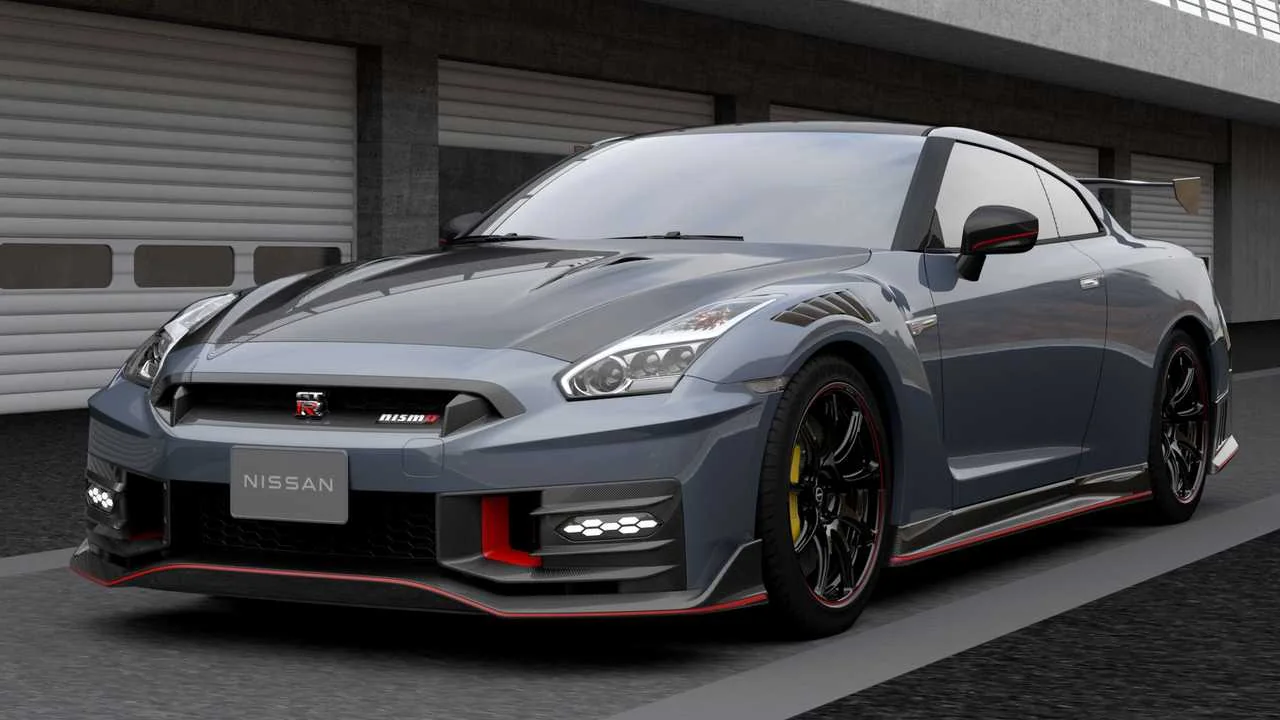
Nissan's iconic sports car, the GT-R, has been a staple of the brand for decades. Its loyal fan base loves the car for its exceptional performance and handling capabilities. However, Nissan's decision to stick with a gas-only solution has raised eyebrows among enthusiasts. The company's stance on this matter is about to change, as a new generation of GT-Rs is set to hit the market.
The news that has sent shockwaves through the automotive community is that Nissan will not be transitioning its GT-R to an electric vehicle. Instead, the company is opting for a hybrid powertrain. This move may seem counterintuitive at first, but it's a strategic decision that aligns with Nissan's long-term goals.
The shift towards electrification is inevitable in the automotive industry. As governments around the world impose stricter emissions regulations and consumers become increasingly environmentally conscious, manufacturers are under pressure to adapt. Hybrid technology offers a compromise between performance and fuel efficiency, making it an attractive option for companies like Nissan.
Nissan's decision to pursue hybridization over full-electrification is likely driven by several factors. One major consideration is the cost of production. Developing an electric powertrain can be expensive, and Nissan may have determined that the benefits of a hybrid solution outweigh the costs. Additionally, the company may want to maintain its reputation as a high-performance brand.
Another factor at play is consumer demand. While there are certainly enthusiasts who crave the raw performance of a gas-powered GT-R, many others are willing to compromise on power for better fuel efficiency and lower emissions. Nissan's decision to offer a hybrid option acknowledges this shift in consumer preferences.
The implications of Nissan's decision are far-reaching. As other manufacturers follow suit, the automotive industry will continue to evolve towards more sustainable solutions. Hybrid technology is just one step in this journey, but it represents an important milestone on the path to electrification.
Despite the initial surprise, many experts believe that Nissan's move makes sense. The company has a proven track record with its Leaf electric vehicle, and hybridization offers a natural next step for the brand. This approach also allows Nissan to maintain its position as a leader in the high-performance segment.
As the automotive industry continues to navigate this transition, one thing is clear: innovation and adaptation are key to success. Nissan's decision to pursue hybridization over full-electrification demonstrates its commitment to staying ahead of the curve. The future of transportation will be shaped by companies like Nissan that prioritize sustainability and performance.
The GT-R hybrid era may seem like a departure from the brand's traditional identity, but it represents an exciting new chapter in Nissan's history. As the company continues to evolve and adapt, one thing is certain: the automotive industry will never be the same again.
The shift towards electrification is inevitable in the automotive industry.