
The automotive world has been abuzz with the latest technological advancements, and Ford is no exception. The company's recent experiment in AI-powered colorization of classic car designs has brought a new level of vibrancy to its iconic Mustang models. By leveraging artificial intelligence, Ford has successfully breathed life into its vintage vehicles, making them look as fresh as they did when they first rolled off the assembly line.
The Ford Heritage Vault has long been a treasured resource for automotive enthusiasts and historians alike. With over 350,000 styling negatives stored within its walls, the vault offers a unique glimpse into the design process behind some of America's most beloved cars. From the mid-1950s to the turn of the 21st century, these images showcase the evolution of Ford's vehicle designs with remarkable fidelity.
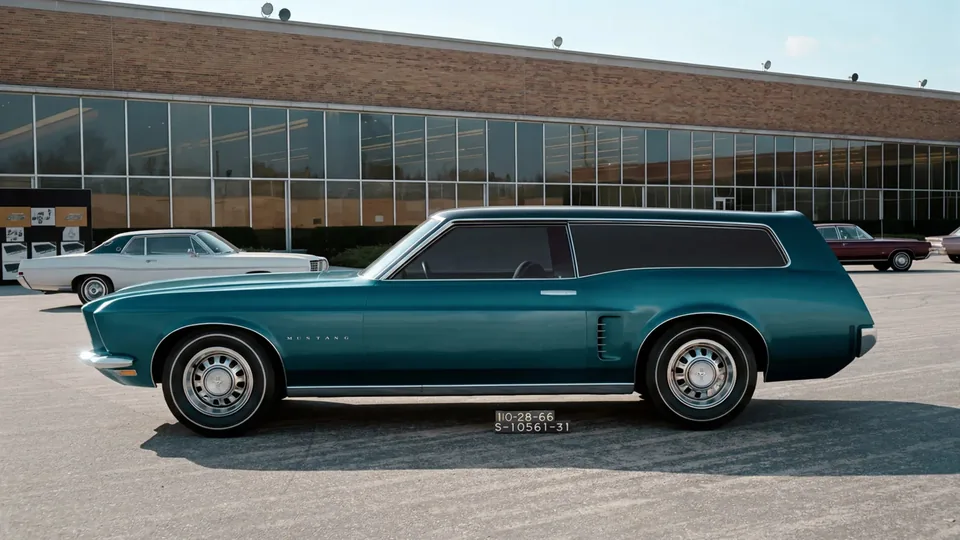
Among the many treasures stored in the Ford Heritage Vault are numerous black and white photographs of classic Mustangs. While these images have been a staple of automotive history for decades, they often lack the vibrancy and color that we associate with our modern-day vehicles. The recent AI-powered colorization project has changed all that.
The company's decision to use AI in this experiment was likely driven by a desire to bring its vintage designs into the 21st century. By applying modern color palettes to classic car images, Ford is able to create a sense of continuity between past and present. This approach also allows the company to showcase its iconic vehicles in a way that feels fresh and exciting.
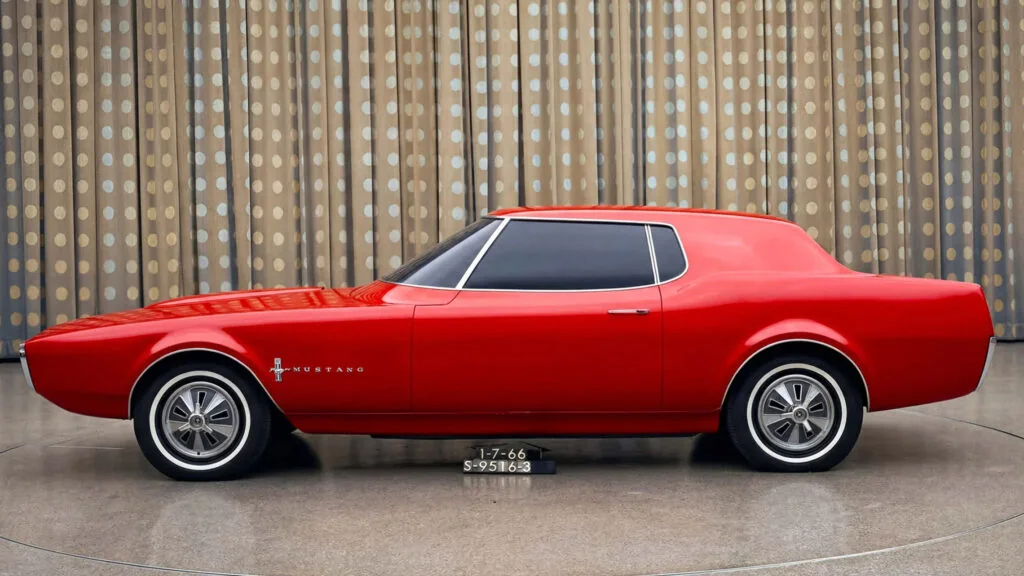
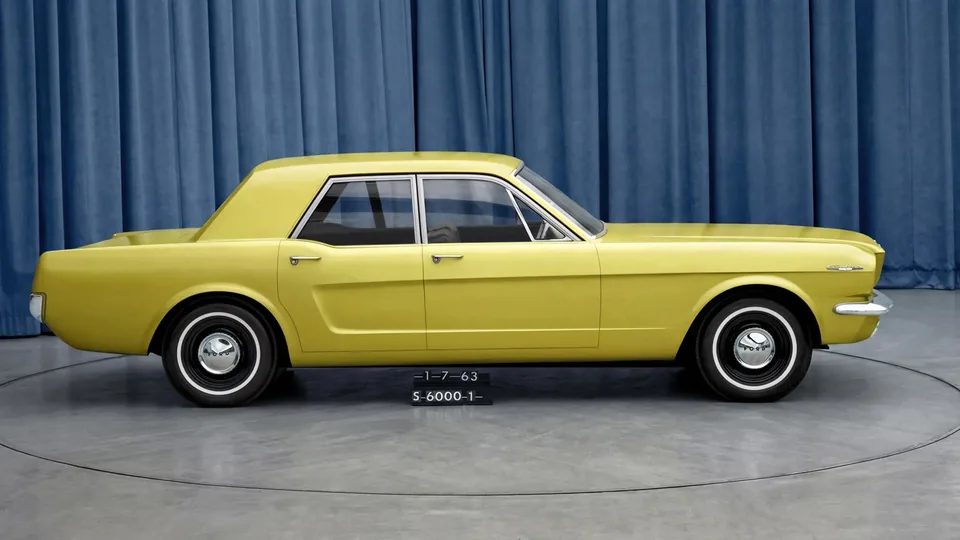
The results of this experiment are nothing short of remarkable. The colorized images of classic Mustangs are stunning, with each vehicle looking as vibrant and alive as it did when it was first introduced. From the 1963 clay model of a Mustang sedan to the 1966 concept in Race Red, every image is a testament to the power of AI in preserving automotive history.
The use of AI in this project also highlights the importance of preserving our automotive heritage for future generations. By leveraging technology to bring these classic designs to life, Ford is able to share its rich history with a wider audience and inspire new interest in its iconic vehicles.
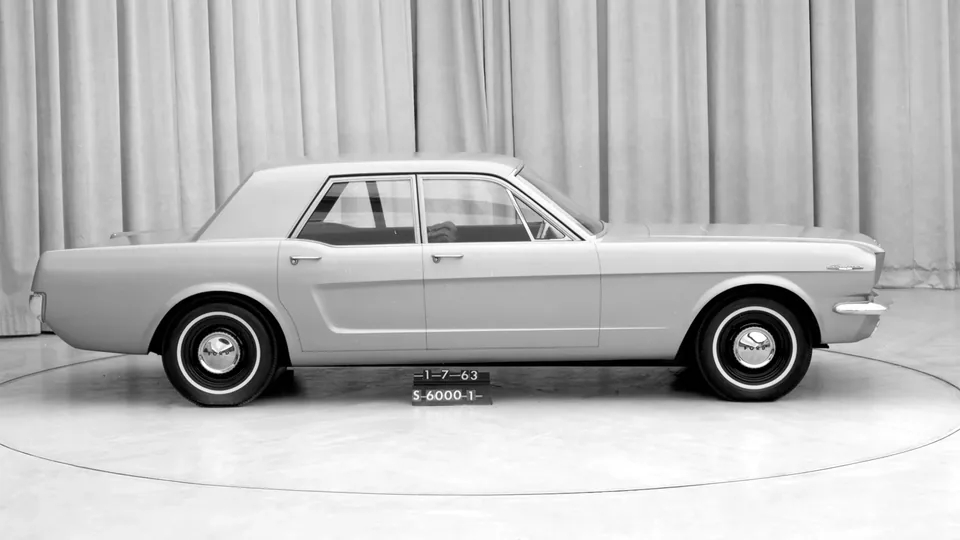
However, some may argue that colorizing classic car images is a form of tampering with history. While this approach can certainly make vintage vehicles look more appealing, it also risks altering our perception of what these cars were meant to be seen as. Ultimately, the decision to colorize classic designs will depend on individual perspectives and values.
The Ford Heritage Vault's digital update is a welcome addition to the company's efforts to engage with its enthusiasts and historians. By making these images more accessible and visually appealing, Ford is able to share its rich history in a way that feels both authentic and exciting.
As we look to the future of automotive design, it will be interesting to see how this technology continues to evolve and improve. Will we see more companies embracing AI-powered colorization in their own archives and designs? Only time will tell, but one thing is certain: Ford's experiment has brought a new level of vibrancy to its classic Mustangs.
Ultimately, the true value of this project lies not in its technical achievements, but in its ability to inspire a new appreciation for automotive history. By leveraging AI to bring these classic designs to life, Ford has created a sense of connection between past and present that is both captivating and enduring.