The fragile narrative that the Strait of Hormuz is “open” has unraveled again, as multiple new incidents were reported by the United Kingdom Maritime Trade Operations. This marks the first confirmed attacks on commercial shipping since April 7, raising concerns about the safety of vessels transiting through the critical maritime corridor.
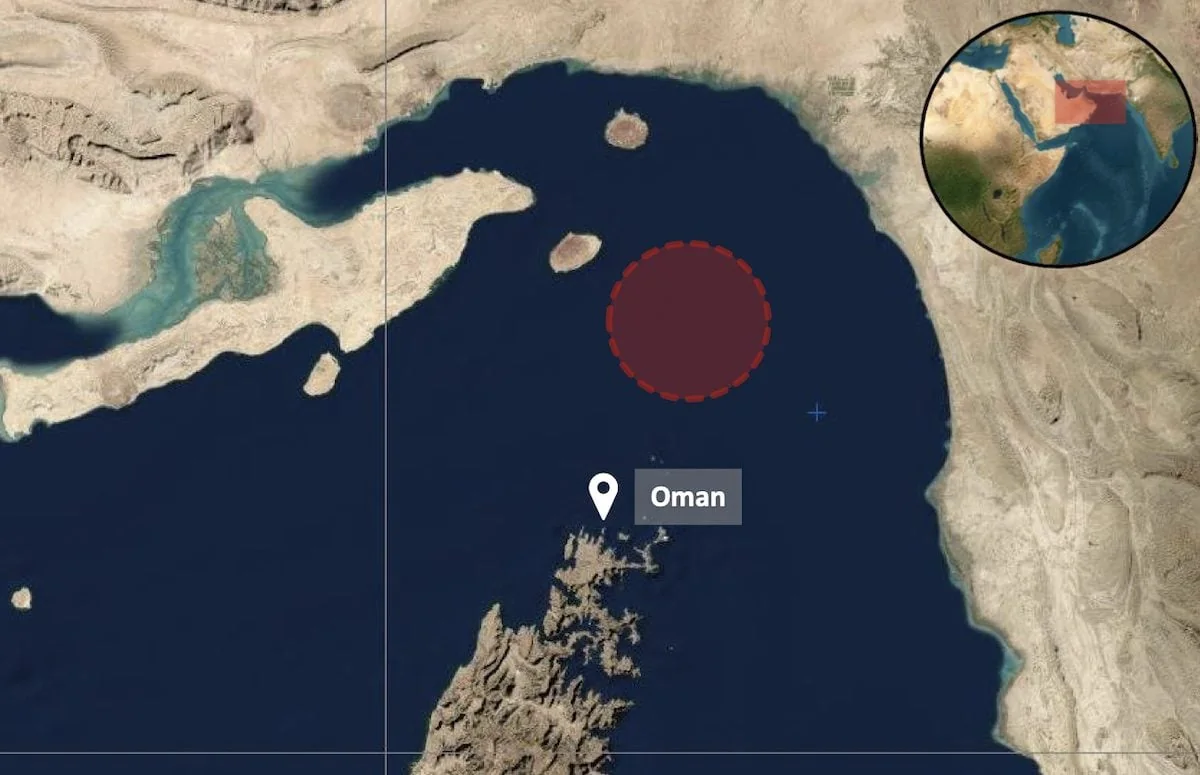
The volatility in the region continues to escalate, with three separate incidents reported off Oman within a span of hours on April 18. Two of these incidents were classified as attacks, while one was described as suspicious activity. Authorities are investigating the cause of the damage to a containership, which sustained cargo damage but no fire or pollution.
The recent events signal a return to direct harassment tactics in the waterway, with a tanker reporting being approached by two gunboats linked to Iran’s Islamic Revolutionary Guard Corps Navy. The vessel and crew were reported safe, but this encounter highlights the ongoing threat posed by Iranian naval forces.

A third report described a “splash” near a cruise ship just 3 nautical miles east of Oman, likely another projectile or near-miss. This incident adds to mounting evidence that risks remain active despite ceasefire messaging. The incidents break a 10-day pause in reported attacks following the April 7 ceasefire.
The renewed violence comes as Iran continues to assert control over transit through Hormuz under what officials have described as a new “maritime regime.” This formalization of a permission-based system marks a significant departure from internationally recognized navigation norms. Iranian lawmakers have emphasized that vessels must obtain authorization from IRGC forces and transit along designated routes.
The implications of this new maritime regime are far-reaching, with major vessel movements reinforcing industry skepticism. A majority of recent transits involved sanctioned or so-called “dark fleet” vessels, which are already operating outside Western compliance frameworks despite the ongoing U.S. blockade.
Analysts warn that early vessel movements through the strait are a clear indication of escalating tensions. The continued presence of sanctioned tankers and ships operating under opaque registries raises concerns about the safety and security of international shipping.
The recent incidents underscore the need for increased cooperation and vigilance among nations to ensure safe passage through the Strait of Hormuz. As the situation continues to evolve, it is essential that all stakeholders remain vigilant and work towards a peaceful resolution.
The recent incidents highlight the need for increased vigilance and cooperation among nations to ensure safe passage through the strait.