
The historic Italian car company, which has been dormant for decades, is making a comeback after a century of inactivity. The brand's rebirth is marked by an industrial project aimed at reviving its manufacturing capabilities. This move is expected to create jobs and stimulate local economic growth. The company's revival also underscores the importance of preserving automotive heritage and tradition. As the industry continues to evolve, it will be interesting to see how this historic brand adapts to modern times.
The company's industrial project involves the restoration of its manufacturing facilities and equipment. This effort is expected to not only restore the brand's production capabilities but also create a new hub for innovation and technology. The project's success will depend on the company's ability to invest in cutting-edge technologies and stay competitive in the market. With the rise of electric vehicles, it remains to be seen how this historic brand will transition to meet changing consumer demands.
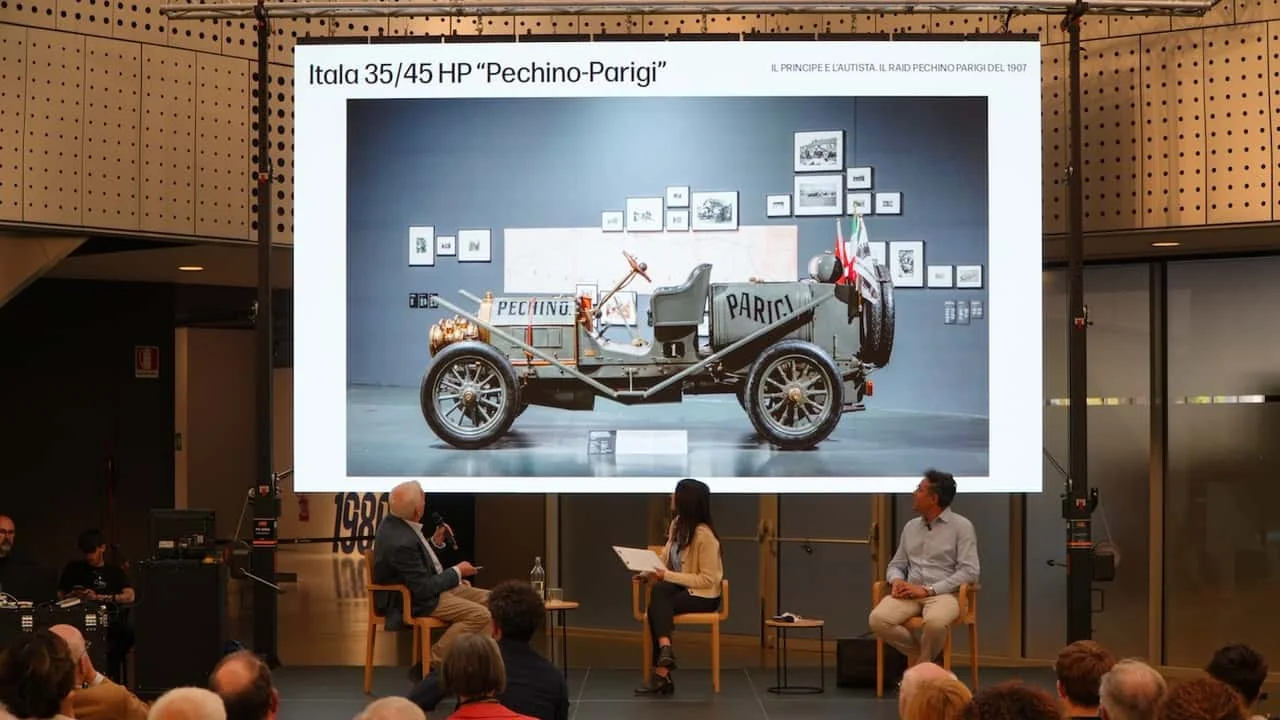
In addition to its industrial project, the company has also formed a cultural partnership with the National Automobile Museum in Turin. This collaboration aims to promote the brand's heritage and showcase its iconic cars to a wider audience. The museum's collection includes some of the most historic and valuable Ferrari cars, making this partnership a significant one for the brand. By partnering with a renowned institution like the National Automobile Museum, the company is able to tap into the museum's expertise and resources.
The cultural partnership also provides an opportunity for the company to engage with car enthusiasts and collectors worldwide. The museum will play host to exclusive events and exhibitions featuring Ferrari cars, which are expected to attract a large following. As the brand's popularity grows, it remains to be seen how the company will manage the increased demand for its products.
The revival of this historic Italian car company is a significant development in the automotive industry. With its rich history and cultural significance, the brand has the potential to inspire a new generation of car enthusiasts. However, the company's ability to adapt to changing market trends and consumer demands will be crucial to its success.
As the automotive industry continues to evolve, it is essential for companies like this historic Italian brand to invest in innovation and technology. The rise of electric vehicles and autonomous driving has created new challenges and opportunities for car manufacturers. By embracing these emerging technologies, the company can stay competitive and remain relevant in the market.
The revival of this Italian car brand also raises questions about the role of heritage and tradition in the automotive industry. As companies like Ferrari look to the past for inspiration, they must also be willing to adapt to changing consumer demands and technological advancements. By striking a balance between preserving its heritage and embracing innovation, the company can ensure its long-term success.
The future of this historic Italian car brand is uncertain, but one thing is clear: its revival marks an exciting new chapter in the automotive industry. With its rich history, cultural significance, and industrial project, the company has the potential to make a lasting impact on the market.