Despite the recent shift in federal energy policy, the community solar movement has continued to thrive. The sector has passed the 10-gigawatt mark and boasts an 8-gigawatt development pipeline of new projects, which is a remarkable achievement considering the sharp U-turn in federal policy last year.
The community solar model provides local ratepayers with shared access to solar power through a subscription-based program, aiming to provide equal access to clean energy for all members of the community. This approach has proven successful, with 43 states and the District of Columbia now enabling community solar projects, up from just one state in 2010.
The cost of solar power has dropped significantly over the years, making it more accessible to a wider range of people. As a result, subscribers now stand to save money on their electricity bills, which helps explain why the industry is growing rapidly. The National Laboratory of the Rockies calculated that the US had about 11 gigawatts (AC) installed, with just four states dominating 75% of the market.
The benefits of community solar extend beyond saving ratepayers money. Local landfills and other community eyesores can be repurposed for clean power, making it a valuable tool for environmental conservation. Additionally, farmers are promoting solar as a means to help local ratepayers reduce their bills while also conserving land.
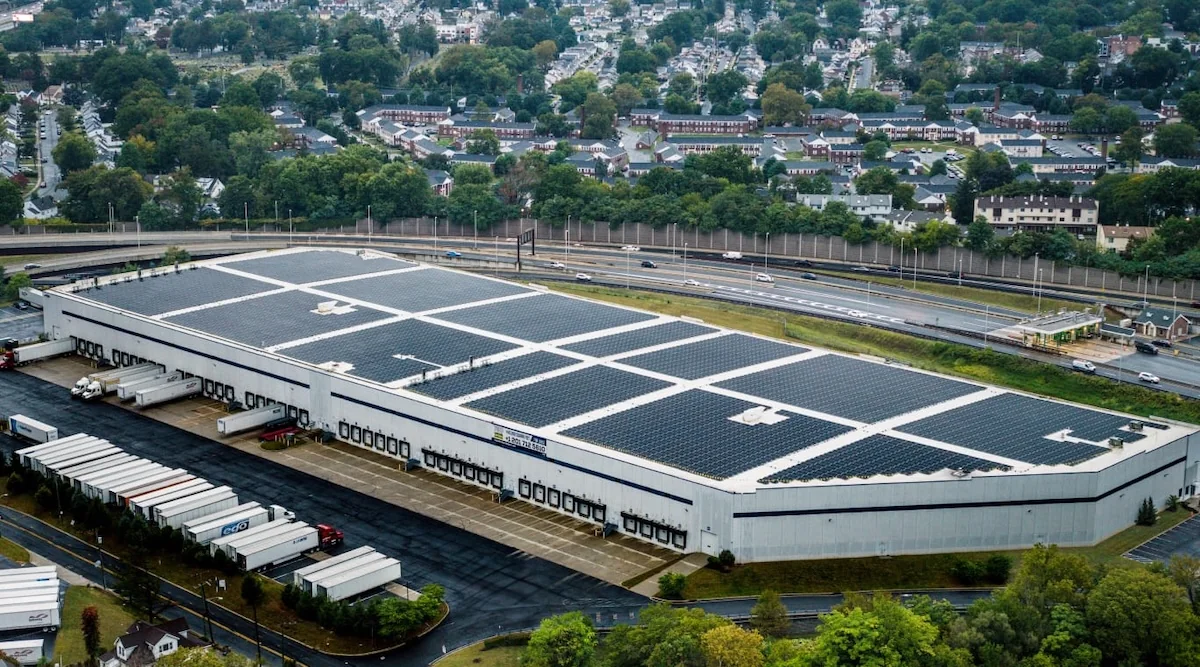
Community solar projects can also be situated on warehouse rooftops, corporate campuses, and other facilities, providing the owner with a way to generate value from underused parts of their property. This approach has helped the industry progress from a niche sector to a high-dollar business.
Companies like Dimension Energy are leading the charge in community solar development. The Georgia-based firm has already racked up more than 1 gigawatt's worth of community solar projects and has 3.5 gigawatts under development in 14 US markets.
Dimension Energy recently secured a round of construction and term financing totaling $650 million, its largest such transaction to date. The funds are earmarked for 25 community solar projects, demonstrating the company's commitment to expanding the industry.
The growth of community solar is a positive trend in the renewable energy sector, as it provides a viable alternative to traditional energy sources. As the industry continues to evolve, it will be interesting to see how policy changes impact its future development.
Despite the challenges posed by negative federal policy, the community solar movement remains a promising area for growth and innovation. With more states enabling community solar projects and companies like Dimension Energy leading the way, the future looks bright for this sector.
The growth of the community solar sector is a testament to its potential as a viable alternative to traditional energy sources.