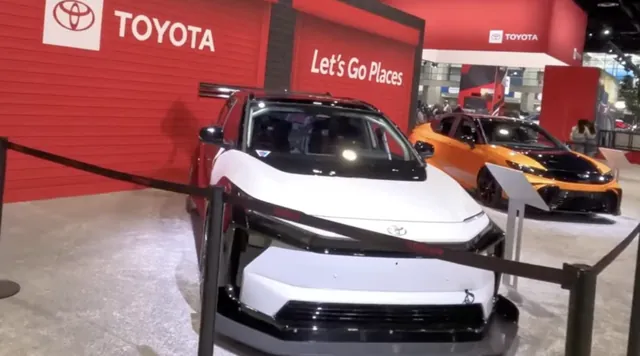
High gas prices are having a profound impact on the automotive industry, with electric vehicles (EVs) experiencing a significant surge in sales across Europe and Asia. As consumers seek more affordable transportation options, EV manufacturers are witnessing a substantial increase in demand for their products. This trend is expected to continue as governments worldwide implement policies aimed at reducing greenhouse gas emissions and promoting sustainable energy solutions.
Meanwhile, the US market appears to be lagging behind its international counterparts. Despite growing concerns about climate change and air pollution, American consumers remain hesitant to adopt EVs due to various factors, including higher upfront costs and limited charging infrastructure. As a result, the US EV market is struggling to keep pace with global sales figures.
The disparity between European and Asian EV markets cannot be overstated. In countries like Norway, the Netherlands, and the UK, EVs account for over 20% of new car sales, while in China, they represent around 10% of total vehicle sales. This remarkable growth is largely driven by high gas prices, which have made traditional fossil-fuel-powered vehicles increasingly unaffordable.
However, it's essential to note that the US has its own unique set of challenges when it comes to EV adoption. One major obstacle is the lack of a comprehensive national charging infrastructure. While some states like California and Oregon have made significant investments in expanding their charging networks, other regions remain woefully underprepared.
The high cost of EVs is another significant hurdle for American consumers. Although prices are decreasing as technology improves, many models still carry a premium price tag that makes them inaccessible to budget-conscious buyers. To address this issue, manufacturers are exploring various strategies, including offering more affordable trim levels and partnering with charging networks to provide discounted rates.
Another critical factor contributing to the US EV market's slow growth is the limited availability of certain models. In contrast, European and Asian consumers have access to a wider range of EV options from top manufacturers like Tesla, BMW, and Nissan. This disparity in model offerings has led some experts to question whether the US market will be left behind in the EV revolution.
As governments worldwide prioritize climate action and sustainability, the demand for EVs is likely to continue growing. In response, manufacturers are accelerating their investments in EV technology, with many committing to significant production targets over the coming years. This trend is expected to have far-reaching implications for the automotive industry as a whole.
The global EV market is poised on the cusp of a major transformation, driven by shifting consumer preferences and technological advancements. As the world continues to grapple with the challenges of climate change, it's clear that sustainable energy solutions like EVs will play an increasingly important role in shaping our transportation future.
Ultimately, the US government must take proactive steps to address the unique challenges facing its EV market. This may involve investing in charging infrastructure, implementing policies to reduce upfront costs, and promoting education campaigns to raise awareness about the benefits of EV ownership. By taking a coordinated approach, policymakers can help ensure that America is not left behind in the EV revolution.
In conclusion, the surge in EV sales across Europe and Asia serves as a powerful reminder of the critical role that sustainable energy solutions will play in shaping our transportation future. As the world continues to grapple with the challenges of climate change, it's essential that policymakers and industry leaders work together to create an environment that supports the growth of the EV market and promotes a more sustainable transportation system for all.