


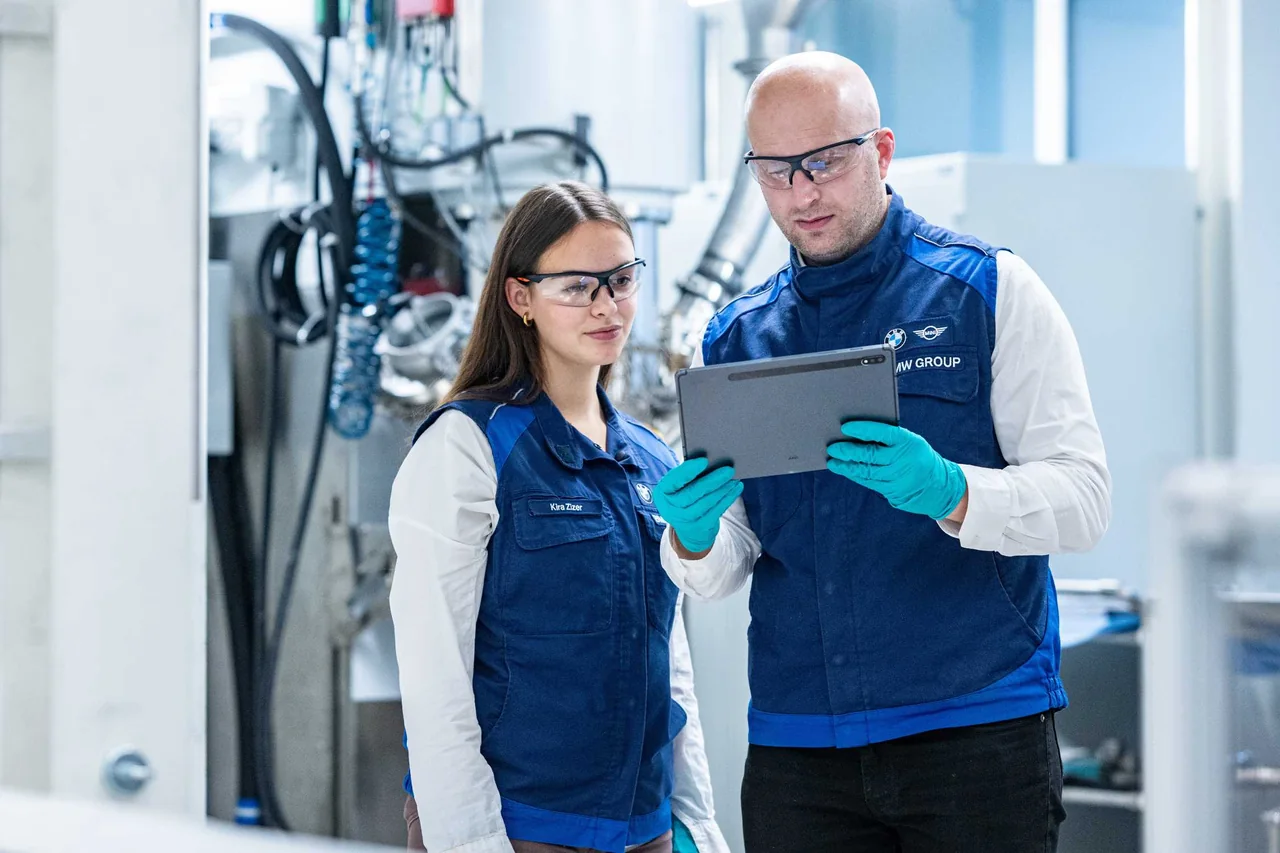
In a significant collaboration, the BMW Group has partnered with the University of Zagreb's Regional Centre of Excellence for Robotic Technology to enhance battery cell production through artificial intelligence. This joint initiative, named the 'Insight' research project, aims to develop practical AI models that optimize every stage of the battery cell value chain. From the initial electrode production to the final testing and recycling processes, this project is set to revolutionize how battery cells are manufactured.
The Battery Cell Competence Centre (BCCC) in Munich is at the forefront of developing high-voltage batteries for future generations of electric vehicles. Within this facility, extensive testing is required to ensure the quality and performance of battery cells, which traditionally demands considerable time and resources. The 'Insight' project addresses these challenges by leveraging AI to analyze existing test data alongside real-time production data, thereby streamlining the testing process and enhancing overall efficiency.
One of the most notable advantages of the AI systems developed through this research is their ability to significantly reduce both the duration and frequency of test series. By predicting critical process parameters and performance metrics, the AI models can cut the material and time investments in individual production steps by over 50 percent. This reduction not only accelerates the production timeline but also minimizes waste, making the process more sustainable.

In addition to optimizing test series, the AI models are designed to assist in the final approval stages of battery cells. After initial charging, battery cells typically undergo a 'quarantine' phase where they must be stored under specific temperature conditions before installation. The AI systems developed in the 'Insight' project are capable of conducting thorough analyses of the cells in advance, which could potentially eliminate the need for this storage phase altogether, further enhancing production efficiency.
Since the project's inception in 2024, the collaboration has focused on merging theoretical research with practical applications. Doctoral candidates and students from the University of Zagreb are actively involved in gathering and structuring production data, which is essential for training the AI models. This hands-on approach not only benefits the students' educational experience but also contributes valuable insights into the production process.
The AI models being developed are not merely theoretical; they are intended to be scalable for real-world applications. Christian Siedelhofer, head of Technology Development Lithium-Ion Battery Cells at BMW, has indicated that one of the goals is to enable cell manufacturers to adopt these models. This scalability could pave the way for broader industry adoption, potentially transforming battery production across various manufacturers.

The implications of this research extend beyond just BMW and the University of Zagreb. As the automotive industry increasingly shifts towards electric vehicles, advancements in battery technology are crucial for meeting growing consumer demands and regulatory standards. The use of AI in optimizing battery production could set a new standard for efficiency and sustainability in the sector.
In conclusion, the partnership between BMW Group and the University of Zagreb represents a significant step forward in the integration of artificial intelligence in battery cell production. By streamlining processes, reducing material waste, and enhancing quality control, this initiative could have far-reaching effects on the automotive industry. As electric vehicles continue to gain traction, innovations like these will be essential in ensuring that manufacturers can keep pace with evolving market needs.
The integration of AI into battery production signifies a transformative shift in manufacturing efficiency, potentially setting new benchmarks for the automotive industry.


