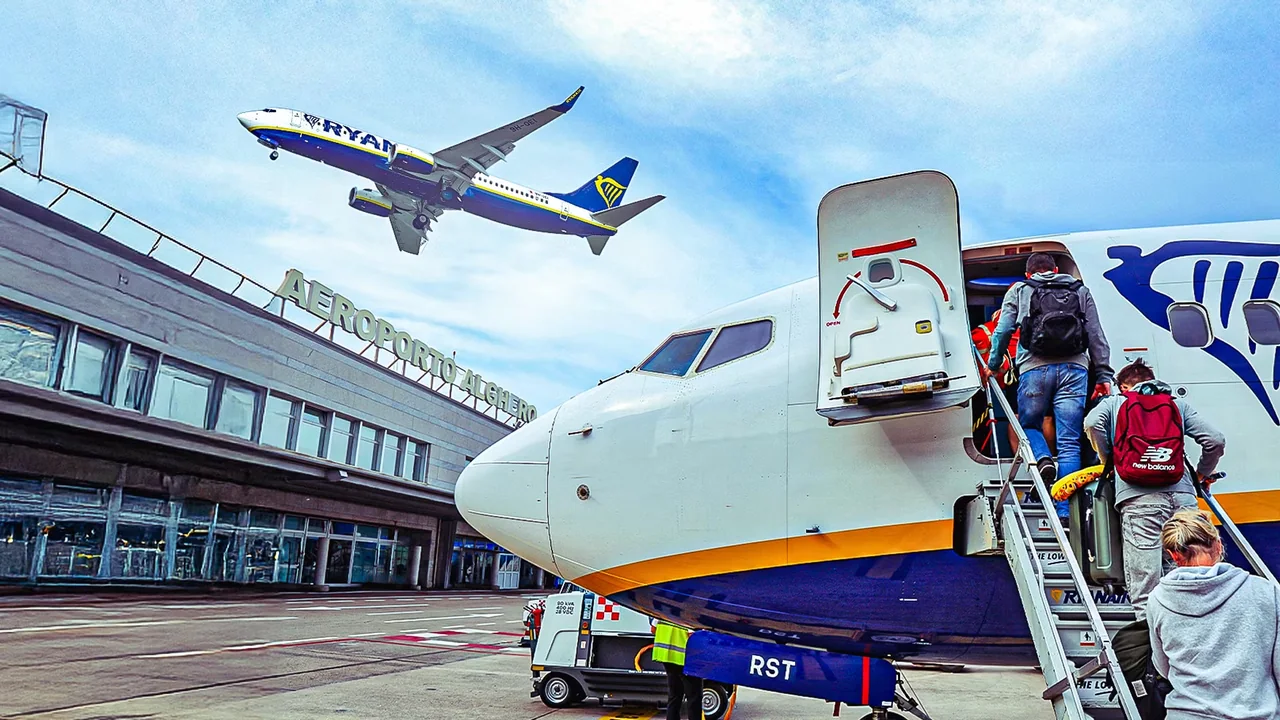
Recently, a Ryanair flight, 4408, was left with no passengers on board due to a complete breakdown in security screening at Chalons Vatry Airport. The situation led to 192 flyers being denied boarding, resulting in a lengthy wait for alternative flights to Morocco. This incident showcases the challenges faced by budget airlines operating in regions with limited resources and inadequate infrastructure.
Chalons Vatry Airport, located outside of Paris, was ill-equipped to handle the operational crisis. The absence of security staff from SECURUS, the company responsible for airport security, left Ryanair with no choice but to depart without passengers. This decision was made in accordance with European Union regulations and international aviation laws.
The empty jet arrived at Menara International Airport in Marrakech almost two hours late, after a tight turnaround time would have resulted in missed landing slots and further disruptions. The situation highlights the delicate balance between airline operations and airport security.

Budget airlines like Ryanair operate with extremely tight turnaround times, making it essential to maintain efficient communication and coordination between airlines and airport authorities. In this case, the lack of staff led to a delay in clearing passengers, resulting in a lengthy wait for alternative flights.
The incident has sparked concerns about passenger compensation under EU regulations. Passengers are entitled to receive hundreds of Euros each in compensation for travel disruptions like this one. However, Ryanair may argue that the absence of security staff was outside their control, potentially exempting them from paying out cash directly to travelers.
Despite the challenges faced by Ryanair, the airport and landside staff did their best to attend to the needs of stranded passengers. Fabrice Pauquet, director of Vatry Airport, acknowledged that the security team was on sick leave at the time.

The incident serves as a reminder of the importance of effective communication and coordination between airlines and airport authorities in preventing such situations. It also highlights the need for adequate resources and infrastructure to support airline operations.
In this case, departing empty was deemed less expensive than the systemic cost of a multi-day disruption across several European bases. However, this decision may have consequences for Ryanair's reputation and passenger trust.
As the situation unfolds, it remains to be seen how Ryanair will handle the compensation aspect and what measures they will take to prevent similar incidents in the future.

The incident highlights the importance of effective communication and coordination between airlines and airport authorities in preventing such situations.