
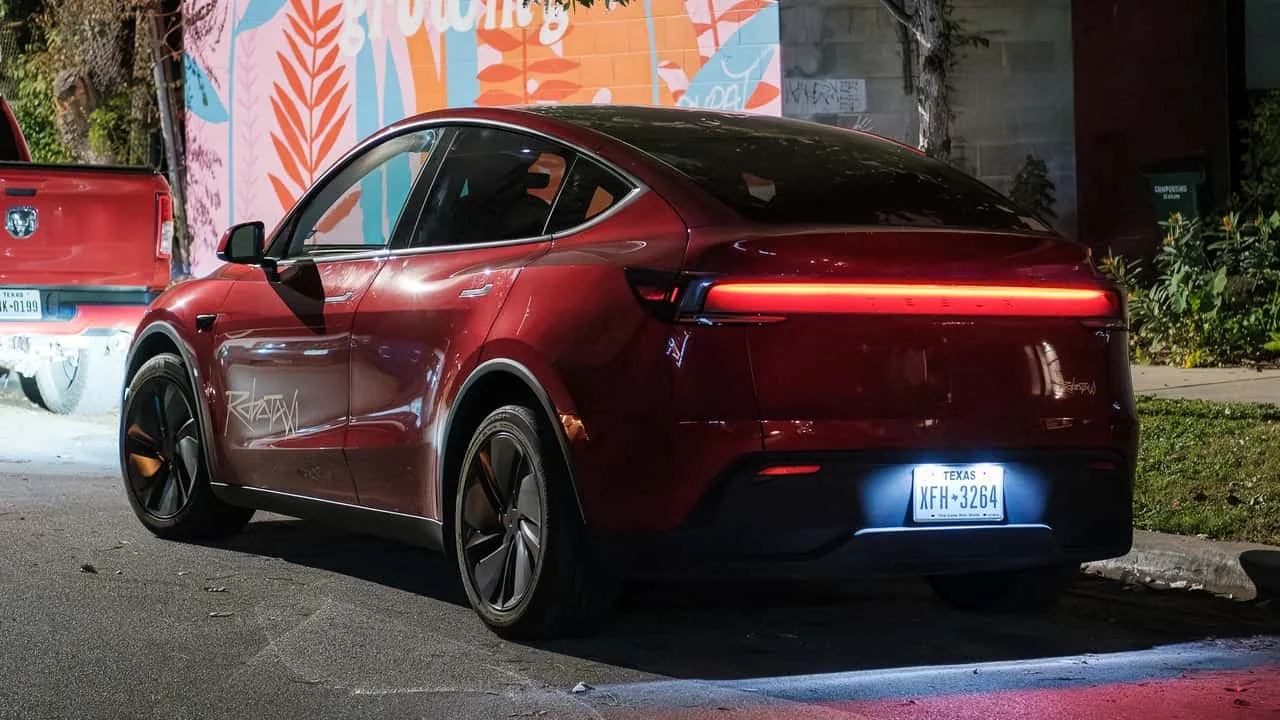
We've been waiting for this moment for a while, and it's finally here - Tesla has officially launched its autonomous taxi service in two major Texas cities: Dallas and Houston. The company has started offering robotaxis to the public, but it's essential to note that the service network is still relatively small compared to what we might expect from a pioneering player like Tesla. As of now, the availability of these self-driving taxis is limited, which may raise some eyebrows among potential customers.
The launch of Tesla's autonomous taxi service marks an exciting milestone for the company and the automotive industry as a whole. Autonomous vehicles have been in development for years, but their widespread adoption has been hindered by various technical and regulatory challenges. With its extensive resources and innovative approach to AI and machine learning, Tesla is well-positioned to lead the charge in this space.
Tesla's robotaxis are designed to operate without human intervention, using a combination of advanced sensors, GPS, and sophisticated software to navigate through traffic. The company has been testing these vehicles in various cities across the United States for several years, but the launch in Dallas and Houston represents its first major push into commercial autonomous taxi services.
The impact of Tesla's robotaxis on the transportation industry cannot be overstated. As more companies enter this space, we can expect to see significant improvements in safety, efficiency, and passenger experience. However, there are also concerns about job displacement and the potential for increased congestion in urban areas.
Tesla has been actively promoting its autonomous taxi service through various marketing campaigns, highlighting the convenience, comfort, and environmental benefits of using a self-driving vehicle. The company's goal is to provide an alternative to traditional ride-hailing services, which often rely on human drivers and can be less efficient.
The limited availability of Tesla's robotaxis in Dallas and Houston may raise questions about the company's strategy for expanding its service network. However, it's worth noting that Tesla has been investing heavily in its autonomous technology, with a focus on improving the performance and reliability of its vehicles.
As we move forward, it will be crucial to monitor the development and deployment of autonomous taxi services like Tesla's. The success of these initiatives will depend on various factors, including regulatory frameworks, public acceptance, and technological advancements.
Tesla's robotaxis are an exciting example of how technology can improve our daily lives. As more companies enter this space, we can expect to see significant innovations in the years to come. However, it's also essential to consider the potential challenges and concerns that arise from the widespread adoption of autonomous vehicles.
The future of transportation is looking increasingly automated, with companies like Tesla leading the charge. As we navigate this new landscape, it's essential to prioritize responsible innovation, ensuring that these technologies benefit society as a whole.
Ultimately, the success of Tesla's robotaxis will depend on various factors, including public acceptance, regulatory frameworks, and technological advancements. As we move forward, it will be crucial to monitor the development and deployment of autonomous taxi services like Tesla's, providing insights into their potential impact on the transportation industry.