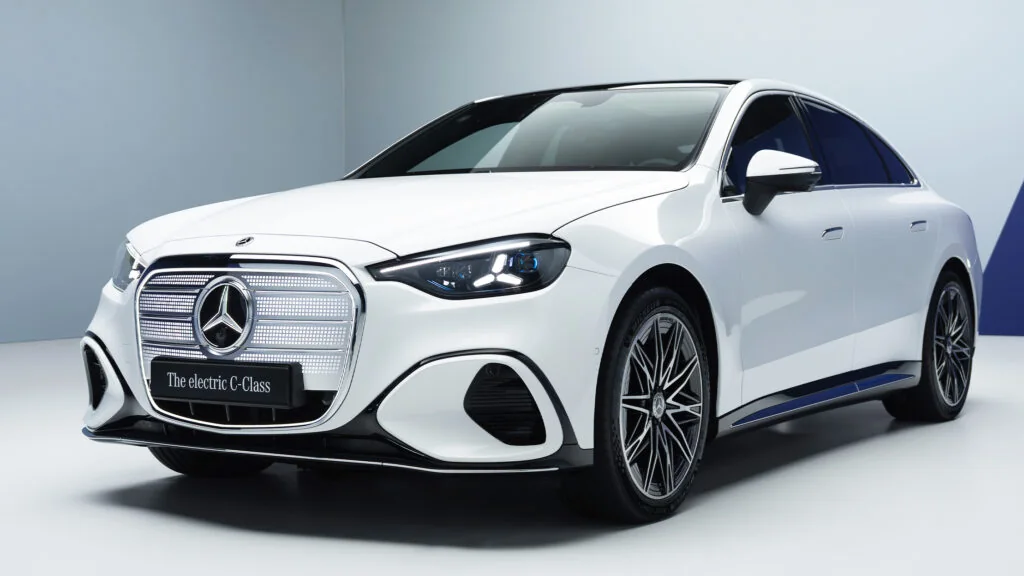
The German automotive market has witnessed a significant shift in recent years, with the rise of electric vehicles becoming an increasingly popular trend. As consumers become more environmentally conscious and governments implement stricter emissions regulations, manufacturers are under pressure to adapt their product lines accordingly. In this context, Mercedes-Benz has taken a bold step by introducing its new electric C-Class model.
The C-Class is one of the most iconic models in Mercedes' lineup, known for its sleek design, comfortable ride, and impressive performance capabilities. The new electric variant promises to deliver an exciting driving experience while reducing the vehicle's carbon footprint. With its advanced technology and sustainable design, this model is likely to appeal to a wide range of customers seeking eco-friendly transportation options.
However, Mercedes' move has also drawn attention from rival manufacturers, particularly BMW, which has been working on its own electric i3 model. The i3 has been a flagship vehicle for BMW's electrification efforts, and the company has made significant investments in developing its electric powertrain technology. With the introduction of the new C-Class, Mercedes is positioning itself as a major player in the growing electric vehicle market.
The electric C-Class boasts an impressive range of up to 373 miles on a single charge, making it an attractive option for long-distance driving. Additionally, the vehicle features advanced regenerative braking technology, which captures kinetic energy and converts it into electrical energy, further increasing its efficiency. With these features, Mercedes aims to provide customers with a seamless and environmentally friendly driving experience.
Mercedes has also emphasized the importance of sustainable design in its new electric C-Class model. The vehicle's exterior and interior design have been optimized for aerodynamics and weight reduction, resulting in improved fuel efficiency and reduced emissions. This attention to detail reflects the company's commitment to reducing its environmental impact and promoting eco-friendly transportation options.
In contrast to BMW's i3, which has faced criticism for its limited range and high price point, Mercedes' electric C-Class offers a more comprehensive solution for customers seeking an affordable and efficient electric vehicle. The new model is expected to be priced competitively with other electric vehicles in the market, making it an attractive option for budget-conscious consumers.
The introduction of the electric C-Class marks a significant milestone in Mercedes' electrification efforts, solidifying its position as a leader in the growing electric vehicle market. As the demand for sustainable transportation options continues to rise, manufacturers like Mercedes will play a crucial role in shaping the future of mobility.
Furthermore, the development of electric vehicles will have a profound impact on the automotive industry as a whole, driving innovation and investment in new technologies and manufacturing processes. As consumers increasingly prioritize environmental sustainability, manufacturers must adapt their product lines and production methods to meet these changing demands.
Ultimately, the success of Mercedes' electric C-Class model will depend on its ability to deliver a compelling driving experience while meeting customer expectations for range, performance, and affordability. With its advanced technology and sustainable design, this vehicle has the potential to redefine the electric vehicle market and set a new standard for eco-friendly transportation options.