
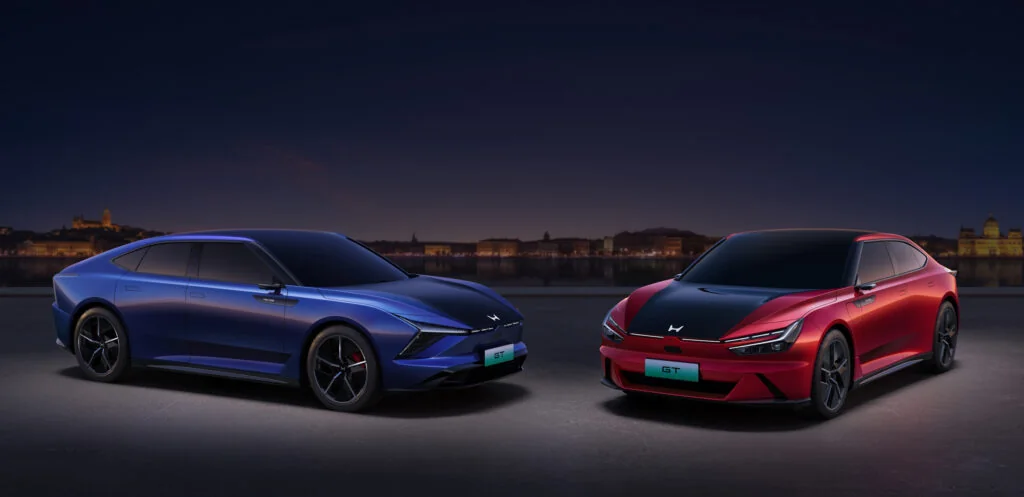
Honda's Chinese venture has hit a roadblock with its plans to continue manufacturing internal combustion engine (ICE) vehicles in the country. The joint venture between Honda and Guangzhou Automobile Group (GAC) is expected to shut down one of its plants by the end of June, marking a significant shift towards electric vehicle (EV) production. This move comes on the heels of Honda's $15.7 billion restructuring costs and a broader EV strategy overhaul announced last month, indicating that the company is prioritizing sustainable energy sources over traditional ICE technology.
The plant in question is part of Honda's six plants as part of its alliances with GAC and Dongfeng Motor, but sustaining ICE production looks increasingly difficult. Estimates suggest that closing a single ICE plant in each joint venture would halve Honda's petrol car production capacity in China, dropping from 960,000 to approximately 480,000 cars per year.
This reduction in production capacity would also impact Honda's total annual vehicle capacity in the country, dropping from 1.2 million to around 720,000. The company has been struggling to keep pace with a rapidly changing market, where demand for traditional petrol vehicles has dropped significantly and local electric vehicle brands are increasingly taking market share from foreign manufacturers.
The Chinese government's efforts to promote sustainable energy sources have played a significant role in the shift towards EV production. With many consumers opting for homegrown EVs due to their environmental benefits and technological advancements, Honda is facing stiff competition in the market.
Honda's ICE offerings have seen some impressive discounts, such as the $14,610 (100,000 yuan) offer on a new Accord e: PHEV earlier this year. However, these efforts may not be enough to reverse the decline in sales, which fell by 24% in 2025 to just under 647,000 vehicles.
The company's EV growth in China will likely remain slow due to competitors already outpacing them in tech and consumers increasingly preferring cars better optimized for local integration and cutting-edge software. This highlights the need for Honda to invest heavily in research and development to stay competitive in the market.
As Honda shifts its focus towards electric vehicles, it is essential for the company to prioritize sustainable energy sources and adapt to changing consumer preferences. The future of the automotive industry depends on automakers' ability to innovate and respond to shifting market demands.
The closure of Honda's ICE plants in China marks a significant turning point for the company in the country's evolving market. With many consumers opting for homegrown EVs, it is clear that traditional ICE technology is no longer the preferred choice.
Honda's decision to prioritize electric vehicles in its Chinese venture demonstrates the company's commitment to sustainable energy sources and reducing its environmental impact. As the global market continues to shift towards sustainable energy, Honda must continue to innovate and adapt to stay competitive.
As the global market shifts towards sustainable energy, automakers must adapt to changing consumer preferences and technological advancements.