
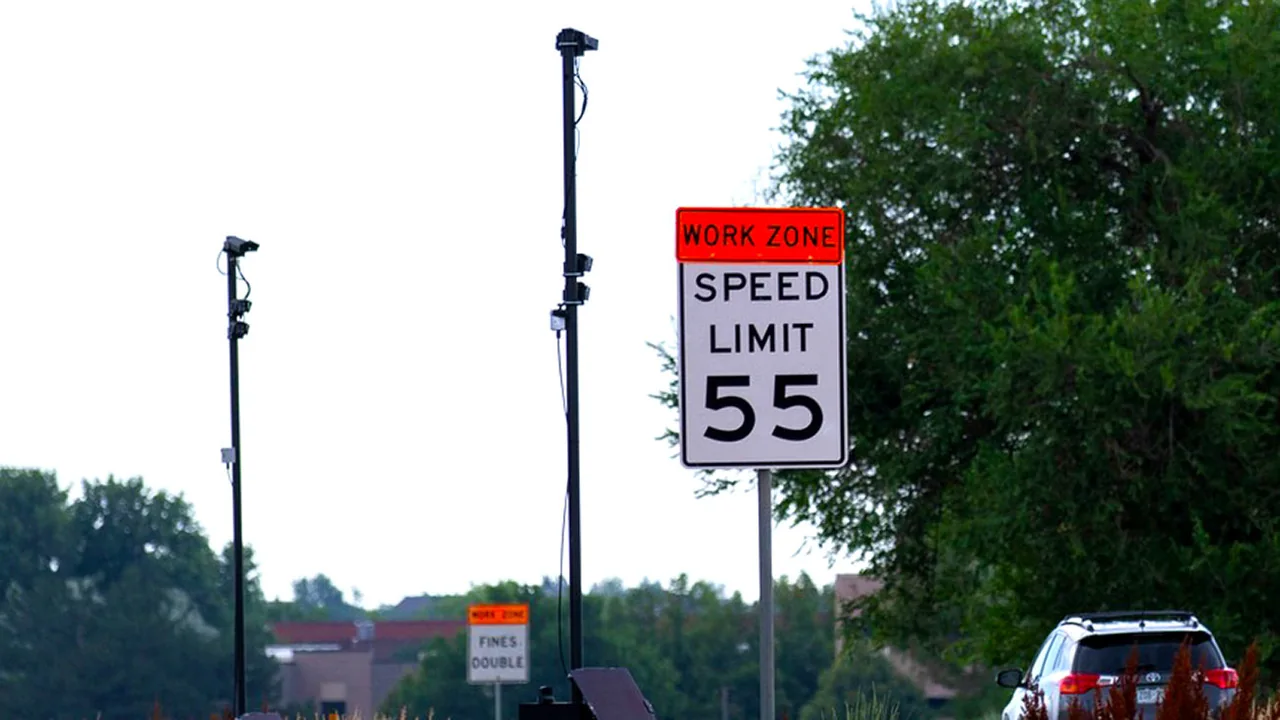
A new bill in Colorado could enable cities to install automated speed cameras on interstates, aiming to reduce crashes and alleviate the burden on local police departments. The proposed law would amend current state law that bans municipalities from using photo radar on interstates.
If passed, cities, counties, and towns would be allowed to use these cameras to monitor driver behavior and enforce speed limits. The bill was introduced by Rep.
Tisha Mauro and comes after the City of Wheat Ridge attempted to place a speed camera along Interstate 70 last summer. Wheat Ridge police cited the existing prohibition on interstate photo radar enforcement as the reason for their request being denied.

However, supporters argue that the cameras are designed to change driver behavior rather than punish drivers. The bill's proponents point to the success of two existing speed cameras on city streets in generating revenue and reducing citations.
If passed, the law could significantly increase revenue from speeding fines, potentially making it a more attractive option for cities looking to generate income. The proposal has sparked debate about the role of technology in traffic enforcement and its potential impact on driver behavior.
The bill's fate remains uncertain as lawmakers continue to discuss and debate its merits.
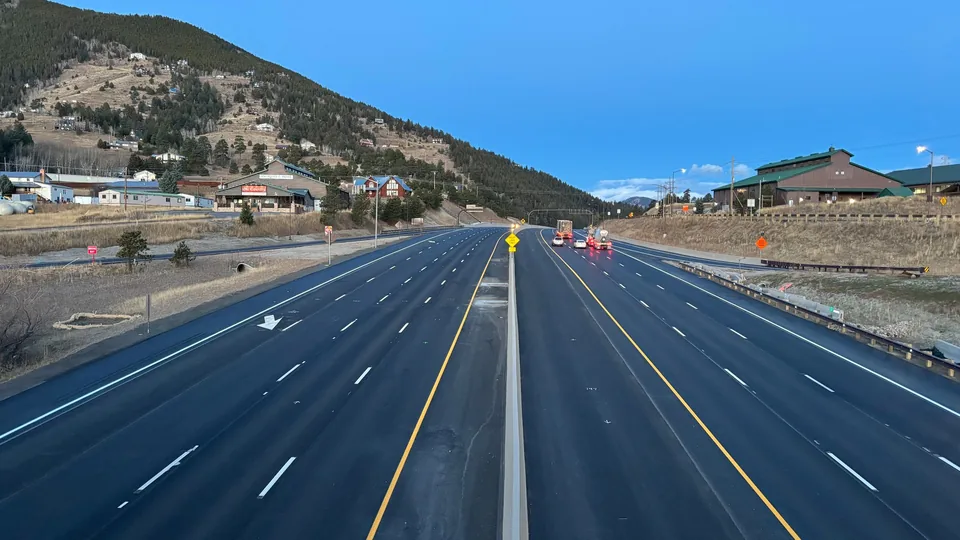
The use of automated speed cameras on interstates could be a game-changer for reducing crashes and alleviating the burden on local police departments, but it also raises important questions about driver behavior and the potential impact on traffic flow. As with any new technology, it's essential to carefully consider its implementation and ensure that it aligns with public safety goals.