

As the underground construction industry continues to evolve, it's becoming increasingly clear that safety protocols must adapt to meet the demands of modern job sites. With National Safe Digging Month in Canada taking place in April, now is a crucial time for contractors to review and refine their safety procedures. At its core, safe digging requires more than just a phone call or click – it necessitates a comprehensive approach that incorporates proven practices and cutting-edge technologies.
Historically, the first step in excavation has remained unchanged: contractors must understand and follow specific requirements set by their province, territory, or municipality before commencing work. However, modern locating practices have evolved into a more proactive and accurate process. By combining traditional methods with advanced tools, crews can improve their visibility and decision-making on job sites.
One key aspect of this evolution is the widespread adoption of white lining – the practice of marking an intended bore path before utilities are located. This standard step has significantly improved accuracy and coordination, allowing contractors to better anticipate potential hazards and minimize risks.
In addition to white lining, advanced locating technologies have become increasingly prevalent in underground construction. OEMs such as Subsite are designing multi-frequency locating systems that enable crews to trace utilities across a wide range of signals, delivering both position and depth data with high confidence.
For non-metallic infrastructure, including plastic water lines, complementary technologies like beacons and ground-penetrating radar have proven invaluable in identifying assets that traditional methods may miss. These tools are critical in ensuring that contractors can accurately locate utilities even when surface markings are absent or unclear.
Industry leaders stress that the absence of surface markings should not be interpreted as a lack of underground utilities – it should instead trigger additional verification. Maintaining locating equipment on-site and validating results has become a widely accepted best practice, particularly in environments where underground conditions are growing increasingly complex.
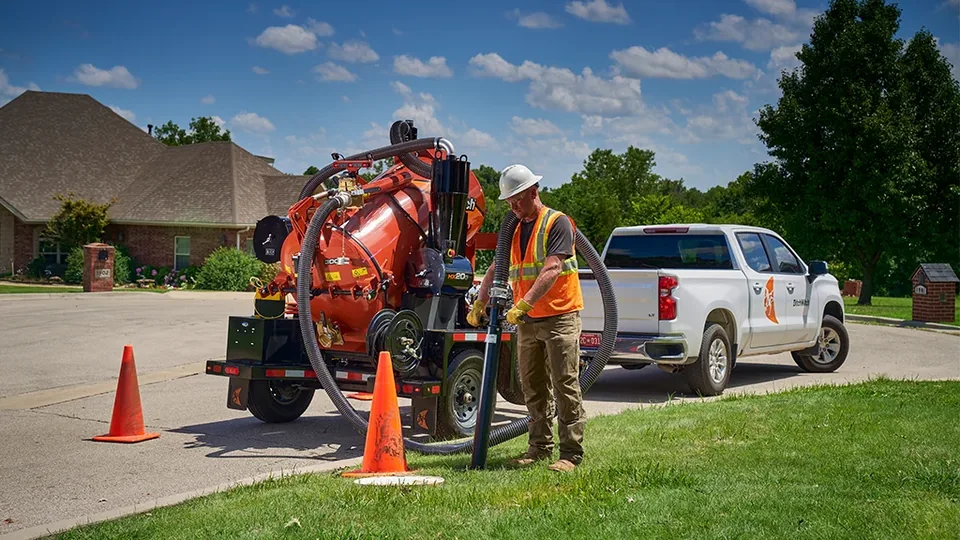
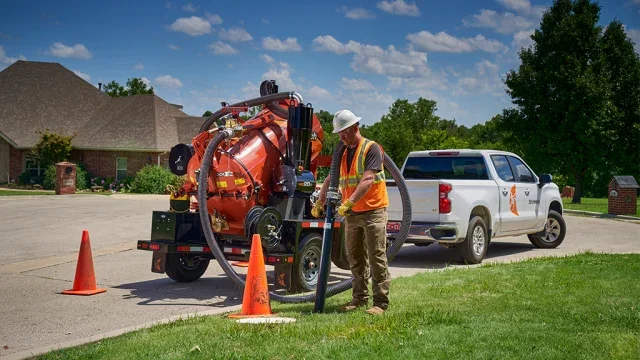
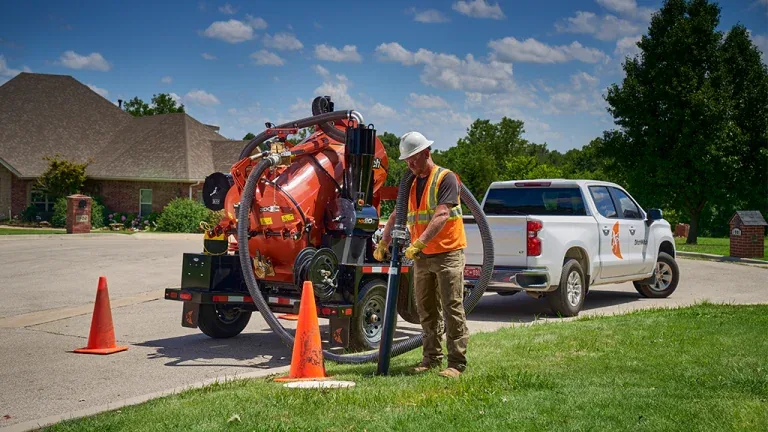
Once utilities have been marked, the next step is to verify their position through soft excavation, often referred to as potholing or daylighting. Exposing utilities before digging provides visual confirmation – one of the most trusted safeguards against accidental damage.
The rapid adoption of telematics and connected equipment has revolutionized underground construction operations, shifting from reactive to data-driven approaches. Platforms like Ditch Witch's Orange Intel system provide real-time visibility into machine location, performance, utilization, and maintenance status.
This increased visibility is critical for safety and damage prevention. By monitoring service intervals and tracking equipment usage, contractors can identify potential risks before they develop – significantly reducing the likelihood of unexpected failures or accidents on job sites.

The use of advanced locating technologies and telematics is revolutionizing the way crews approach underground safety.


