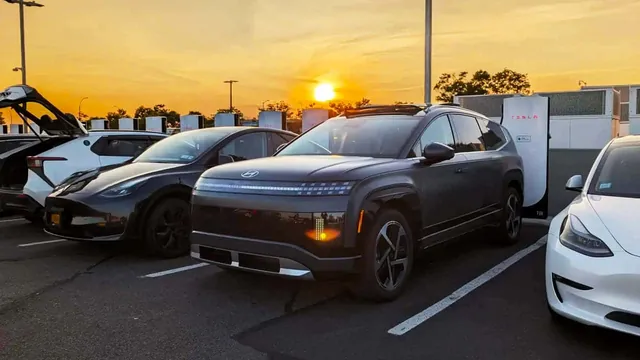
Electric vehicles (EVs) are transforming the automotive industry in ways that go beyond just reducing greenhouse gas emissions. A new ranking of the world's biggest automakers reveals that EVs are driving cleaner and more transparent supply chains, which is a significant departure from traditional combustion engine cars. This shift towards sustainability is not only beneficial for the environment but also has a positive impact on the industry as a whole. As consumers increasingly opt for eco-friendly vehicles, manufacturers are responding by adopting new practices and technologies that prioritize environmental responsibility.
The Lead the Charge Auto Supply Chain Leaderboard highlights the progress made in EV supply chain sustainability. Unlike gasoline-powered cars, which rely on continuous refinement and burning, EVs require different materials and design approaches, unlocking a new frontier for supply chain sustainability. This shift has led to significant improvements in battery recycling and repurposing, as well as the responsible sourcing of battery minerals.
The latest leaderboard results show that over half of the 18 companies evaluated have advanced in battery recycling and repurposing in the last year alone. Companies like Tesla are setting new industry benchmarks by publishing detailed information on their battery supply chain emissions and efforts to reduce them. Mercedes, Ford, and Volkswagen have also tightened requirements for battery minerals, holding suppliers to higher standards on responsible mining.
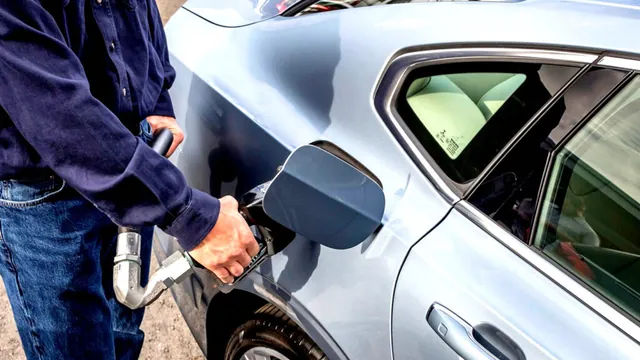
The progress made in EV supply chains is significant, but it's not without its challenges. While coal-powered steel, worker issues, and destructive mining practices still exist, the baseline for gas cars has never been lower. The industry is making strides towards a more circular supply chain, enabling materials to be reused and recycled in new batteries and vehicles. This approach is particularly noteworthy since liquid fuel can only be burned once, making EVs a more sustainable option.
The shift towards EV manufacturing also brings regulatory pressures that were previously absent in the combustion engine era. Pioneering rules specific to EV manufacturing are raising the bar for carmakers, requiring them to map their supply chains, source battery minerals responsibly, and recycle batteries. These obligations have significant implications for the industry as a whole.
The EU Batteries Regulation is a prime example of this regulatory shift. The regulation requires carmakers to source battery minerals responsibly and recycle batteries, setting a new standard for sustainability in the automotive industry. This level of transparency and accountability has never been seen before in the combustion engine era.
As EV supply chains continue to evolve, it's clear that buyers are gaining more power than ever before. The regulatory landscape is shifting in favor of sustainability, and manufacturers must adapt to meet these new standards. This shift towards cleaner automotive supply chains will have far-reaching consequences for the industry as a whole.
The impact of this shift cannot be overstated. As consumers increasingly opt for eco-friendly vehicles, manufacturers are responding by adopting more sustainable practices and technologies. The benefits of this shift extend beyond just environmental responsibility, offering a more transparent and accountable supply chain that benefits stakeholders across the board.
In conclusion, EVs are driving cleaner automotive supply chains in ways that were previously unimaginable. As the industry continues to evolve, it's clear that sustainability will play an increasingly important role in shaping the future of transportation.