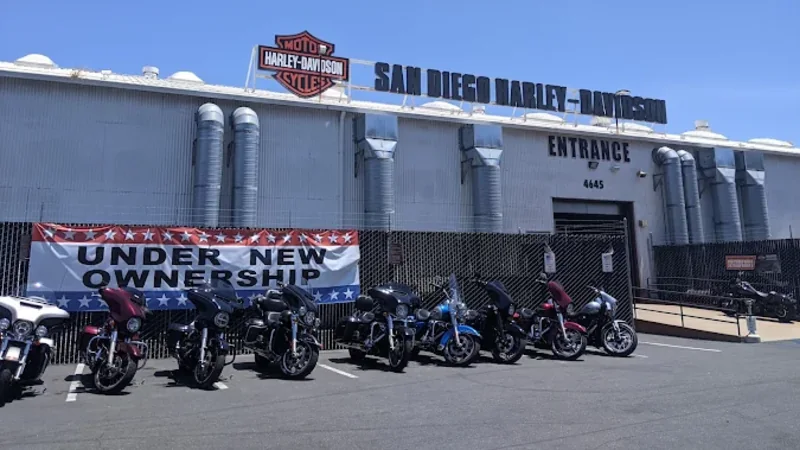
Sonic Automotive has announced the acquisition of five Harley-Davidson dealerships across key US markets as part of its ongoing growth strategy. The newly acquired stores include San Diego Harley-Davidson, Falcon's Fury Harley-Davidson, Space Coast Harley-Davidson, Treasure Coast Harley-Davidson, and Raging Bull Harley-Davidson.
The move builds on strong financial momentum for the Charlotte-based retailer, which reported record 2025 revenue of $15.2 billion and gross profit of $2.4 billion. Sonic's powersports division generated a record $202.9 million in revenue and $11.5 million in adjusted EBITDA.
The acquisition represents a pivotal step in Sonic's long-term growth plan, extending its reach within the high-growth powersports business and further diversifying its portfolio.
Sonic Powersports now operates 20 rooftops nationwide, representing 46 franchises, including nine full-service Harley-Davidson dealerships. The company has rapidly scaled its powersports presence in recent years and is now expected to rank among the top five dealer groups in the US.
The expansion strengthens Sonic's position within the Harley-Davidson dealer network and highlights the importance of operational excellence, customer engagement, and community-building in driving business success.
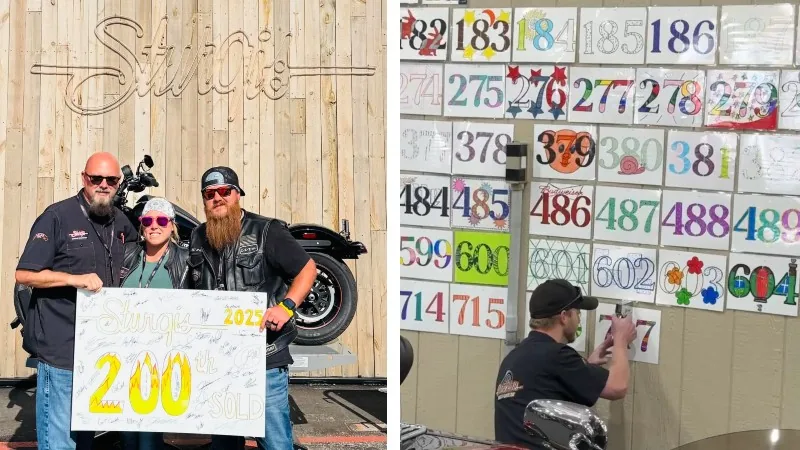
Sonic has also leveraged marquee destinations such as Black Hills Harley-Davidson and Sturgis Harley-Davidson to build brand equity and drive volume. The retailer reported selling more than 1,100 motorcycles at its Sturgis location during the 85th Sturgis Motorcycle Rally.
The acquisition underscores Sonic's broader diversification strategy and commitment to expansion across dynamic growth markets. It also reflects the increasing role of large, well-capitalized groups in shaping the future of powersports retail.
With continued consolidation across the dealership landscape, Sonic's latest acquisitions highlight the importance of scale, operational efficiency, and expanded customer engagement in driving business success.
The acquisition reflects the growing importance of large, well-capitalized groups in shaping powersports retail through scale and operational efficiency.