

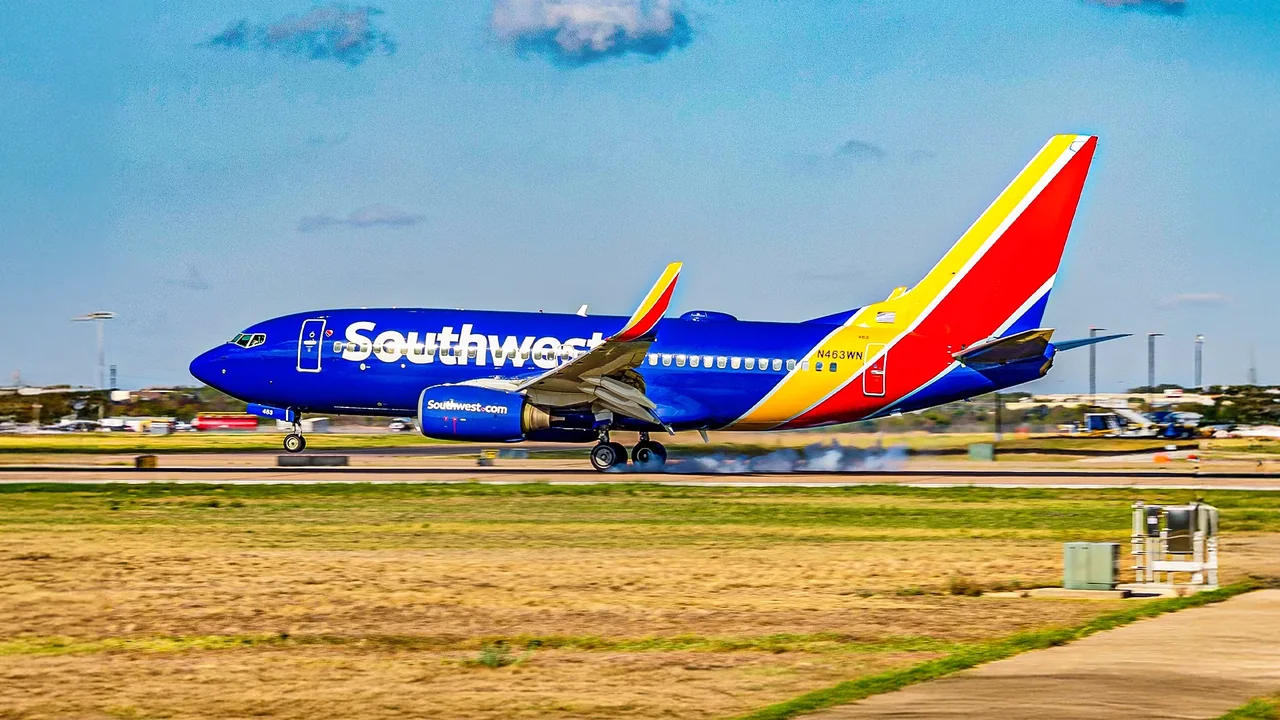
When an aircraft touches down with a noticeable thud, it's natural to wonder if something went wrong. However, this perception doesn't fully reflect how aviation actually works. In reality, pilots are not judged on how smooth a landing feels, but on how safe, controlled, and precise it is under the given conditions.
Pilots are trained to deliver firm landings when conditions require it, guiding the aircraft onto the runway with a deliberate, positive touchdown. This ensures that the aircraft establishes solid contact with the runway immediately, which is especially important for activating braking systems and maintaining control.
A firm landing is not just about smoothness; it's also about safety. In ideal conditions, such as minimal or favorable wind and a long runway, pilots may deliver smooth landings. However, in other situations, a firm landing is the safest possible choice.

The terminology used to describe landings can be misleading. A 'firm' landing is often misunderstood as being 'hard,' but these terms refer to different techniques. A hard landing is a technical event where the aircraft experiences forces higher than normal operating forces.
Pilots are trained to recognize when a firm landing is necessary, and they take steps to ensure that it's executed safely. This includes monitoring weather conditions, runway length, and aircraft performance to determine the best approach for landing.
In aviation operations, hard landings are taken seriously due to the potential risks of damage or injury. When such an event occurs, airlines typically require inspections to confirm that no structural damage has occurred.

The perception that pilots always deliver perfectly smooth landings is not entirely accurate. While smoothness can be a sign of skill in ideal conditions, it's not the primary goal of landing an aircraft. Safety, consistency, and accuracy take precedence.
In reality, pilots are trained to prioritize safety over smoothness. This means delivering firm landings when necessary, even if they may feel abrupt from the passenger cabin.
The importance of firm landings cannot be overstated. By establishing solid contact with the runway immediately, pilots can ensure that their aircraft is stable and secure, which is critical for safe takeoff and landing operations.

A firm landing ensures aircraft establishes solid contact with the runway immediately.