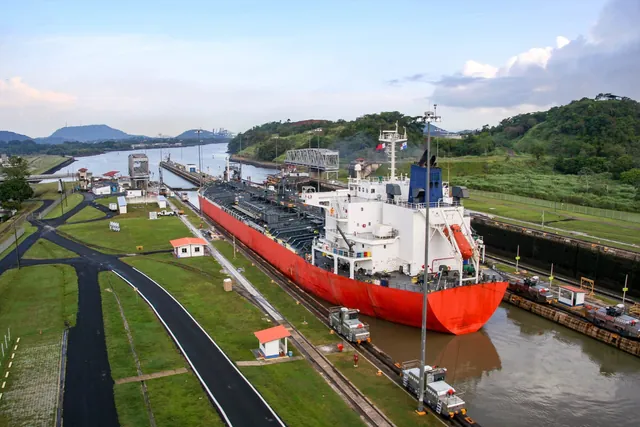
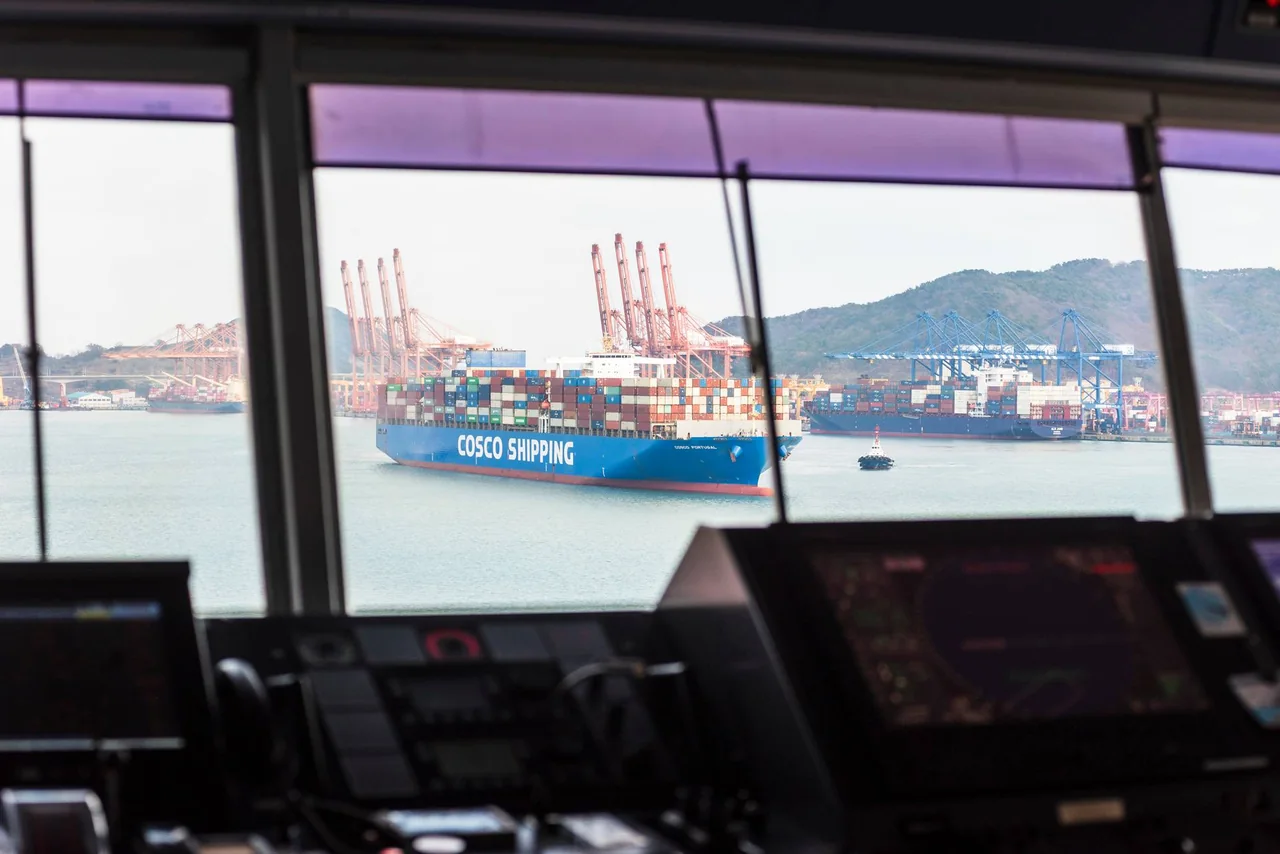
In many maritime organizations, the most effective people in shore-based leadership roles are those who have spent meaningful time onboard. Designated Persons Ashore and Port Captains often earn their positions not because of spreadsheets or policy expertise, but because they understand the realities of life at sea. They know how decisions made ashore ripple through watch schedules, maintenance routines, weather windows, and crew fatigue.
That onboard experience is precisely what makes them so valuable to management. Yet as organizations grow, a widening gap can form between shore teams and vessel operations. Bridging that gap requires deliberate training that helps shore-based staff think like the ship.
The disconnect between shore and vessel is rarely intentional, with shore teams focused on compliance, efficiency, cost control, and customer commitments, while mariners are focused on safety, weather, equipment limitations, and human factors. Training that exposes shore personnel to these realities helps prevent assumptions from turning into pressure on the vessel. Shore staff may underestimate how long a task truly takes at sea, how weather affects execution, or how crew workload compounds over a voyage.
Decisions that look reasonable from an office desk can become risky or impractical onboard. The reason DPA and Port Captain roles are so attractive to management is simple: these individuals translate between two worlds. They understand regulatory expectations and company policy, but they also understand what it takes to execute those expectations safely onboard.
Their value comes from lived experience. They know when a request is reasonable and when it crosses into unsafe territory. They recognize early warning signs that paperwork alone cannot reveal.
Training shore teams to think like the ship does not require everyone to sail, but it does require structured exposure to operational reality. One of the most effective ways to bridge the gap is scenario-based training built around real vessel operations. Shore teams should work through realistic scenarios that mariners face, such as responding to a failed inspection item while offshore, balancing maintenance schedules against weather delays, or managing crew rest when voyages run long.
Present these scenarios as decision exercises. Ask shore staff what they would do, then walk through the operational consequences onboard. This type of training builds empathy and practical judgment.
It shifts conversations from what should happen on paper to what can happen safely in practice. Many incidents and near misses trace back to misaligned assumptions between shore and ship. A compliance deadline that ignores voyage realities.
A maintenance request that assumes spare parts are immediately accessible. A crew change plan that overlooks immigration or weather constraints. Training programs should analyze these incidents openly and without blame.
Focus on how assumptions formed and where context was missing. Use real examples, anonymized if necessary, to show how small disconnects escalate into operational risk. Compliance is a major driver of shore-based decisions, but compliance without context can undermine safety.
Training should emphasize that regulations are not abstract requirements. They are applied within real operational constraints. Teach shore teams how compliance decisions affect crew workload, timing, and risk exposure.
Encourage questions such as whether a request can be delayed, staged, or supported differently. Context-driven compliance is not about lowering standards. It is about applying them intelligently.
When shore staff understand the ship’s reality, compliance becomes a partnership rather than a source of friction. The most successful maritime organizations recognize that safety and efficiency depend on how well shore and ship understand each other. Roles like DPA and Port Captain exist because that bridge matters.
Training shore teams to think like the ship extends that value across the entire organization. When shore decisions are informed by operational reality, training becomes more relevant, compliance becomes safer, and crews feel supported rather than pressured. Bridging this gap is not a one-time effort.
It is an ongoing training commitment that pays dividends every day at sea.
The key to bridging the gap between shore teams and vessel operations lies in providing structured exposure to operational reality through scenario-based training. By doing so, shore staff can develop practical judgment and empathy for the realities of life at sea, ultimately leading to safer and more efficient operations.