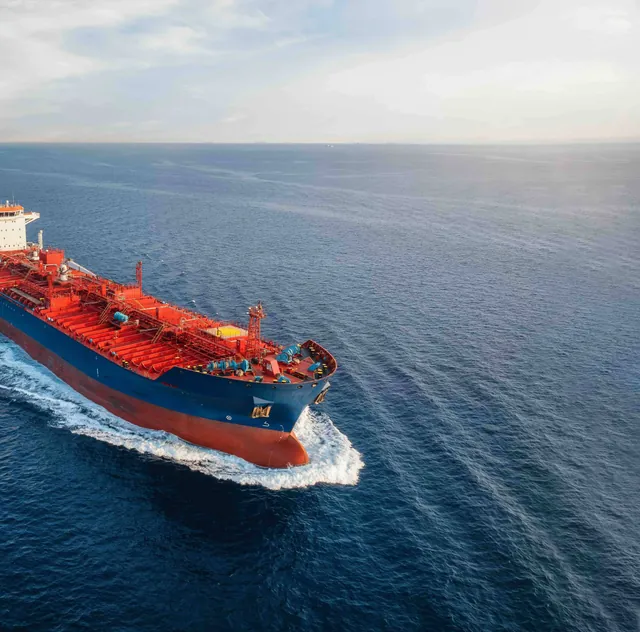
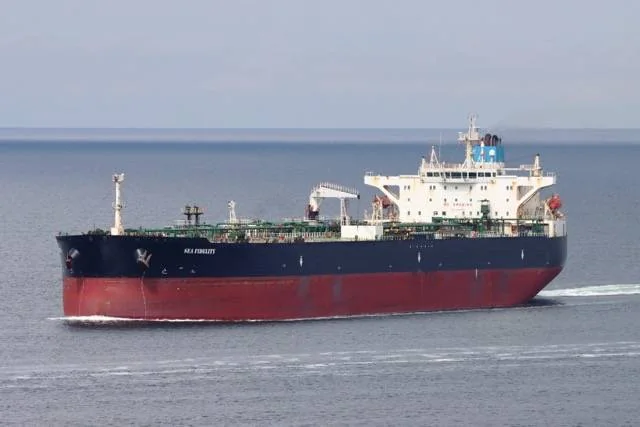
Russian oil tankers are increasingly listing Singapore as their official destination, signaling a shift in export flows from India to China and growing concerns over Western sanctions. 4 million metric tons of Russian crude departed for Singapore in January, the highest monthly volume in recent years.
This trend is attributed to the fact that Singapore doesn't import Russian oil amid sanction risks, but its nearby waters are sometimes used for ship-to-ship transfers. Many vessels ultimately discharge their cargo near Malaysia or transfer oil to floating storage units, with Singapore often used as a placeholder destination to mask final buyers.
The rise in tankers listing destinations such as Singapore, Suez, or Port Said signals mounting difficulties with sales and a shrinking pool of reliable buyers. , leaving China as Russia's main customer.
However, Chinese state oil firms remain wary of buying spot cargoes due to sanction risks, further narrowing Russia's export options. Previously, tankers bound for India would list Egypt's Port Said or the Suez Canal as their destination, traders added.
Now, the use of vague or conditional ports has surged as companies seek to obscure final destinations and mitigate sanction risks. The increased use of Singapore as a destination is a result of the complexities surrounding Russian oil exports under Western sanctions.
As a neutral hub, Singapore's role in facilitating international trade remains crucial despite these challenges.
This shift highlights the complex web of global trade dynamics and the need for companies to navigate strict regulations and sanctions to maintain their operations. The increased reliance on Singapore as a destination underscores the importance of having reliable and neutral hubs for international trade.