
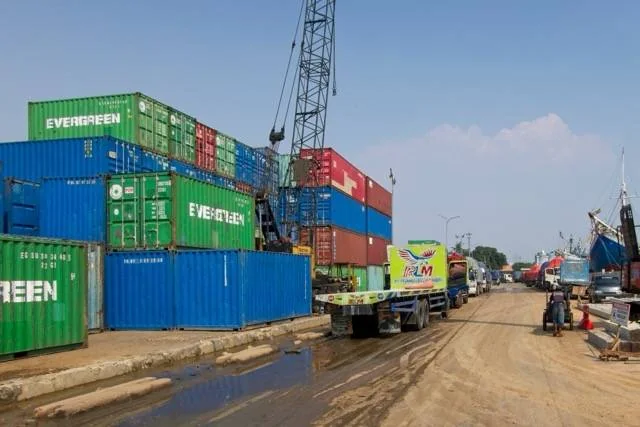
The EU has proposed extending its sanctions against Russia to include ports in Georgia and Indonesia that handle Russian oil. This would mark the first time the EU would target ports in third countries.
The proposal includes adding Kulevi in Georgia and Karimun in Indonesia to the sanctions list, meaning European companies and individuals would be barred from carrying out transactions with these two ports. The sanctions package is part of a broader effort to restrict Russia's access to Western markets and resources.
In addition to targeting Russian oil, the EU also proposes new import bans on metals such as nickel bars, iron ores, and unrefined copper, as well as restrictions on imports of salt, ammonia, pebbles, silicon, and furskins. The package also includes listing two Kyrgyz banks for providing crypto asset services to Russia, while removing two Chinese lenders.
Furthermore, the EU proposes to restrict access to Western markets for Russian oil by targeting ports in Georgia and Indonesia that handle this oil. This move would further limit Russia's ability to export its oil through these countries' ports.
The proposal has been jointly submitted by the EU's diplomatic arm and the bloc's executive, highlighting the EU's commitment to addressing Russia's actions in Ukraine. Overall, the proposed sanctions package represents a significant escalation of Western pressure on Russia, with far-reaching implications for the global energy market.
This proposal marks an important step towards limiting Russia's ability to export its oil through European ports, which would help to reduce its influence over the global energy market. However, it remains to be seen how effective these sanctions will be in achieving their intended goals.