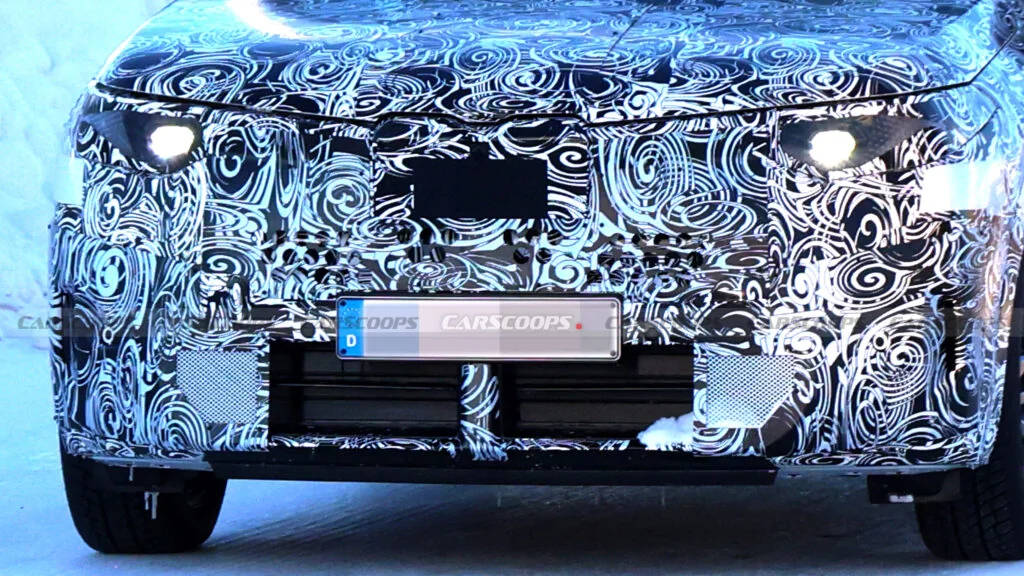
BMW has given its smallest internal combustion engine SUV, the X1, a mid-life facelift that borrows design elements from its electric sibling, the iX3. The updated model features a new front end with a visor-style grille and headlights, similar to those found on the iX3. This gives the X1 a harder, more digital look.
The changes are more subtle at the rear, but the lower bumper now features vertical reflectors, aligning it visually with newer BMW models. Inside, the updated cabin tech from the iX3 includes a wide Panoramic iDrive display and a cleaner layout with fewer physical buttons. However, underneath, the facelift is not expected to bring major mechanical changes beyond possibly gaining extra power.
The electric iX1 will also receive styling and interior updates, making it almost a mirror image of its gas sibling, just with a charging port instead of a fuel flap. The current X1 lineup starts with a 201-hp eDrive20 that was recently boosted to 319 miles of electric range. With the facelifted model expected later this year, 2026 promises to be a busy year for BMW with new models and updates.

As an expert in the automotive industry, it's clear that BMW is continuing its trend of adopting modern design elements from its electric vehicles into its internal combustion engine lineup. This approach allows the brand to stay competitive while also giving customers more options when choosing their next vehicle. The use of similar design cues across different models can also help create a cohesive brand image and make it easier for customers to identify BMW vehicles on the road.
BMW's decision to adopt modern design elements from its electric vehicles into its internal combustion engine lineup is a strategic move that allows the brand to stay competitive while offering customers more options. By leveraging the latest technology and design trends, BMW can create a cohesive brand image and make its vehicles more appealing to a wider range of buyers.