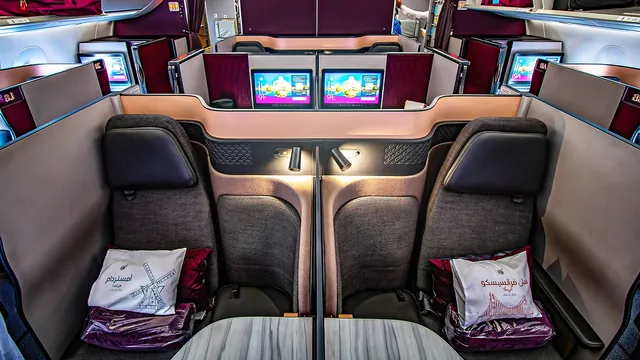

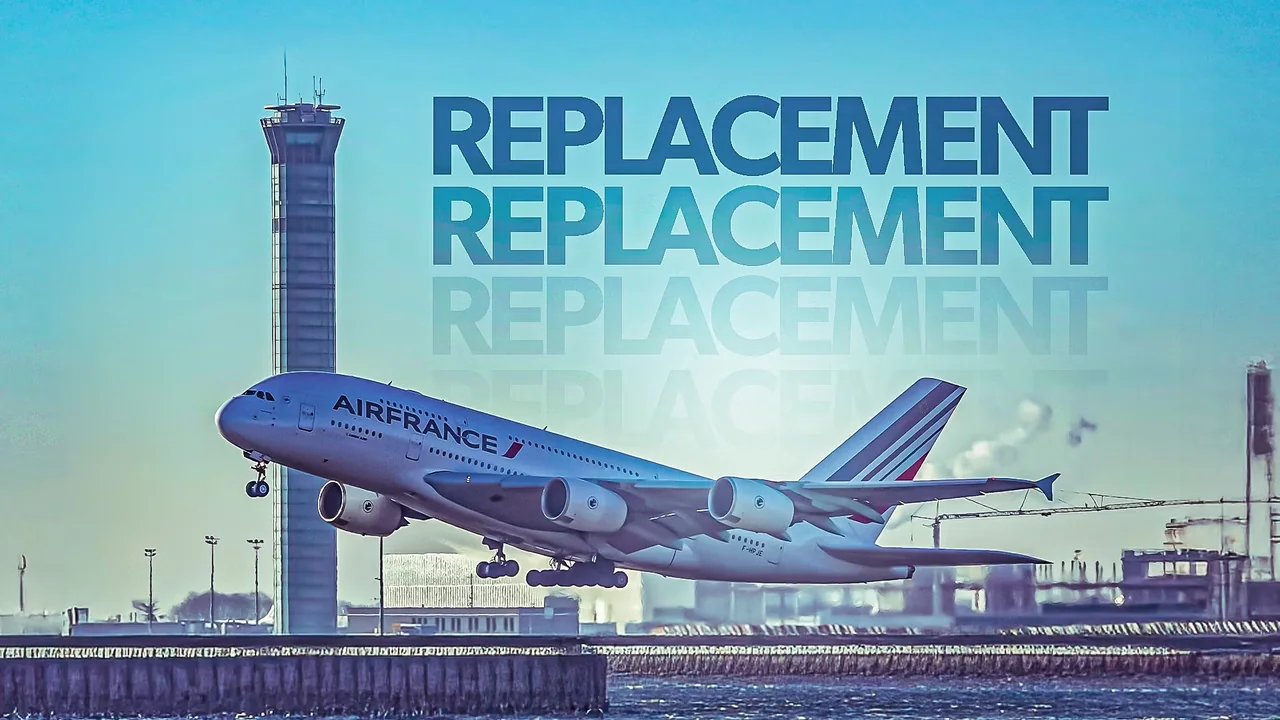
The industry's center of gravity has shifted towards advanced twin-engine widebodies, with airlines valuing the Airbus A380's crowd-pleasing cabin and ability to deliver capacity during peak hours.
However, unit economics and network flexibility of the Airbus A350, Boeing 787 Dreamliner, and Boeing 777X continue to define the era of Airbus A380 replacement.
The Boeing 787's composite structure reduces overall fuel burn by around 25% compared to earlier-generation aircraft, allowing carriers to stitch together long, profitable thinner routes.

This efficiency enables airlines to offer more competitive pricing and improve passenger experience.
At the top of the market, the Boeing 777X promises a 400-seat scale with a new carbon-fiber wing and General Electric GE9X engines.
However, first deliveries are now forecast for 2027, marking a significant delay from initial expectations.

Emirates remains the world's largest Airbus A380 operator, but it is hedging its future with large orders for the Boeing 777X and the Airbus A350.
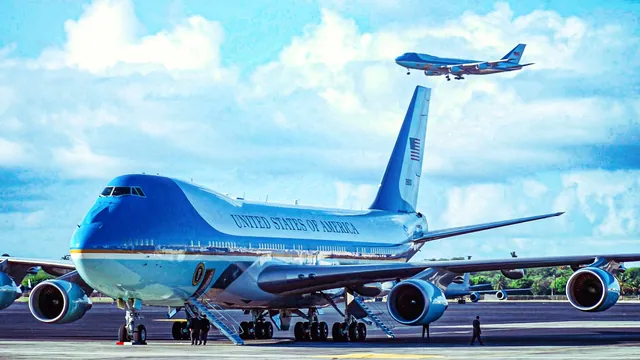
The Airbus A380 played a crucial role in toppling the Boeing 747's hub-and-spoke dominance by moving huge amounts of volume through congested megahubs.
Despite its bold engineering, the aircraft's economics required consistent high load factors at slot-constrained airports, making it extremely expensive to operate.

As fuel prices continue to rise and airlines find greater profit in spreading capacity across multiple frequencies, the industry pivot continues to favor flexible and efficient twin-engine aircraft.
The shift towards advanced twin-engine widebodies is a significant departure from the traditional hub-and-spoke model.