The Trump administration has escalated its 'Economic Fury' campaign against Iran by targeting one of China's largest independent refineries alongside a new wave of sanctions on vessels and shipping firms accused of moving Iranian oil through the shadow fleet. The U.S. Treasury's Office of Foreign Assets Control (OFAC) sanctioned Hengli Petrochemical (Dalian) Refinery Co., described as China's second-largest 'teapot' refinery and one of the largest buyers of Iranian crude.
While OFAC has previously sanctioned four Chinese teapot refiners, the move against Hengli signals a potentially sharper turn in U.S. pressure strategy, shifting from targeting ships and intermediaries to major overseas buyers helping sustain demand.
The sanctions package suggests Washington is attempting to tighten pressure not just on transport routes but on commercial entities underpinning Iranian exports.
Previous rounds of 'Economic Fury' sanctions largely focused on tankers, ship managers, traders, and facilitators tied to Iran's shadow fleet. Friday's action reaches further up the value chain, targeting a major refining buyer Treasury says has purchased billions of dollars in Iranian crude and petroleum products.
Treasury alleged Hengli has received cargoes from multiple sanctioned tankers and purchased oil linked to Sepehr Energy, described by U.S. authorities as associated with Iran's Armed Forces General Staff.
Alongside Hengli, OFAC designated 19 tankers accused of transporting billions of dollars' worth of Iranian crude, LPG, and petrochemical cargoes, including vessels allegedly delivering cargoes into China, the UAE, and Bangladesh.
The package also sanctioned shipping companies tied to Hong Kong, the Marshall Islands, Panama, the UAE, and elsewhere, underscoring the multinational ownership and flag structures often associated with shadow fleet trading.
The measures were issued under Executive Order 13902, which targets Iran's petroleum and petrochemical sectors.
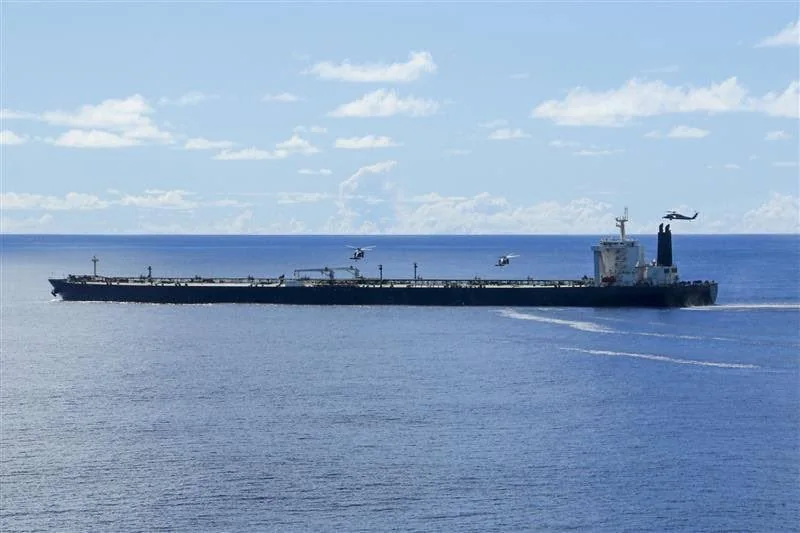
Friday's measures come as Washington is simultaneously tightening pressure at sea, underscoring that U.S. strategy is increasingly combining financial sanctions with physical disruption of Iranian-linked trade.
The move signals a shift in U.S. pressure strategy, targeting major buyers and refining entities.