
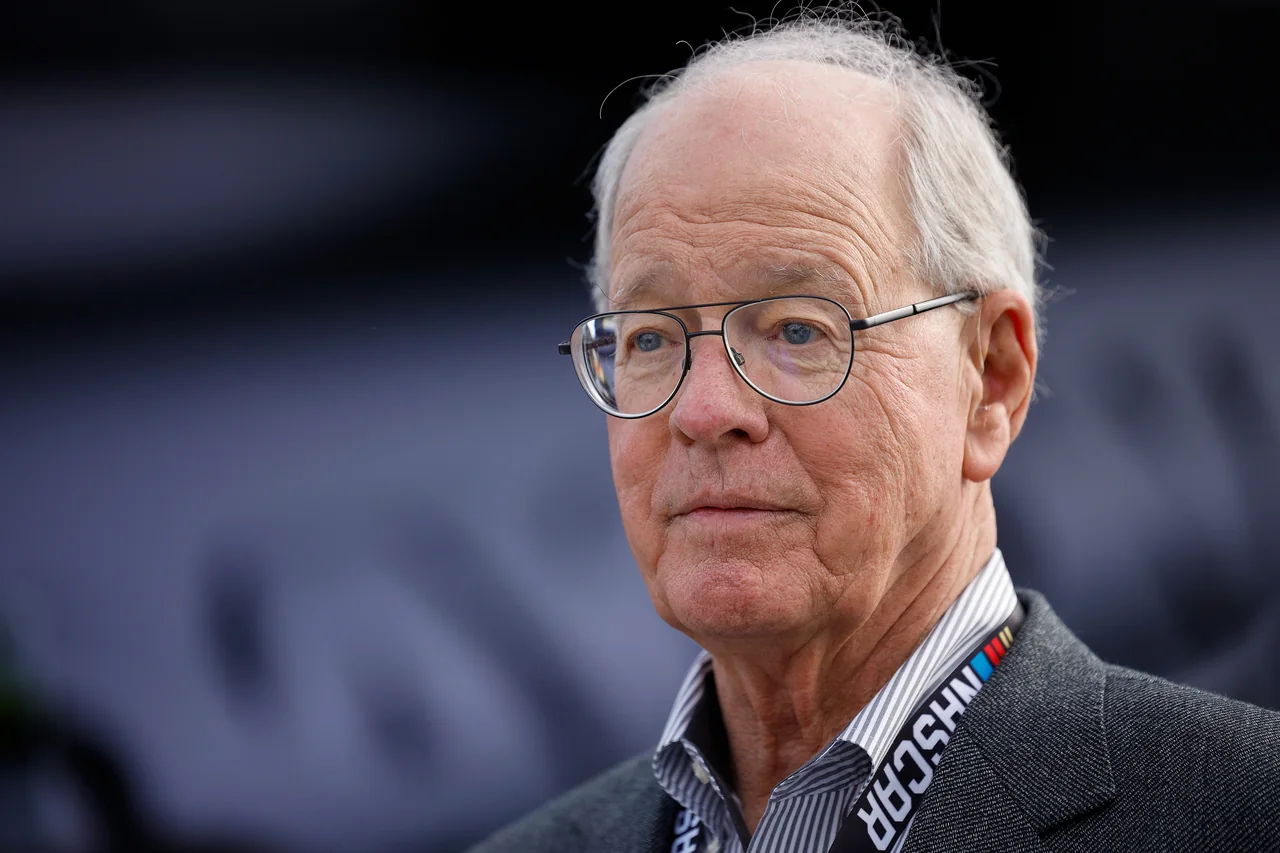
NASCAR is on the cusp of a major leadership shift, with 81-year-old Jim France expected to step down as CEO. France will remain as chairman and majority owner, but his departure marks a significant turning point for the organization. The news comes after a period of transition, with Steve O'Donnell's promotion to president in March 2025. O'Donnell's appointment was seen as a key move to stabilize the sport and ensure its long-term success.
The promotion of Ben Kennedy to chief operating officer is also a notable development. Kennedy, who has been serving as executive vice president and chief venue and racing innovations officer since June 2024, will play a crucial role in shaping NASCAR's future strategy. His experience and expertise will be invaluable in driving innovation and growth within the organization.
The departure of Jim France marks the end of an era for NASCAR, with many considering him a key figure in the sport's modernization efforts. France's leadership has been instrumental in navigating the challenges posed by changing fan demographics and technological advancements. His departure may signal a new era of innovation and experimentation for the sport.

Steve O'Donnell's appointment as CEO brings a fresh perspective to NASCAR, with many expecting him to prioritize stability and continuity. As president, O'Donnell has already demonstrated his ability to manage complex operations and drive growth. His experience will be crucial in navigating the challenges facing the sport.
The promotion of Ben Kennedy to COO is also seen as a strategic move by the organization. Kennedy's expertise in venue management and racing innovations will be essential in driving growth and innovation within NASCAR. His appointment signals a commitment to investing in the sport's future and ensuring its long-term success.
NASCAR's leadership change may have significant implications for the sport's fans, sponsors, and partners. The organization's ability to adapt to changing market trends and technological advancements will be crucial in driving growth and revenue. The new leadership team must navigate these challenges while maintaining the sport's core values and traditions.

The departure of Jim France also raises questions about the future of NASCAR's leadership structure. Will the organization adopt a more formalized succession plan, or will it continue to rely on informal networks and mentorship? Whatever the answer, one thing is clear: the new leadership team must prioritize stability and continuity in order to drive growth and success.
As NASCAR looks to the future, it is clear that the organization's leadership will play a critical role in shaping its destiny. The departure of Jim France marks the end of an era, but also presents an opportunity for innovation and growth. The new leadership team must prioritize stability, continuity, and innovation in order to drive success and ensure the sport's long-term viability.
The future of NASCAR is uncertain, but one thing is clear: the organization must adapt to changing market trends and technological advancements in order to remain competitive. The new leadership team must prioritize growth, innovation, and sustainability in order to drive success and ensure the sport's continued relevance.

The change in leadership may impact NASCAR's future growth and strategy.