

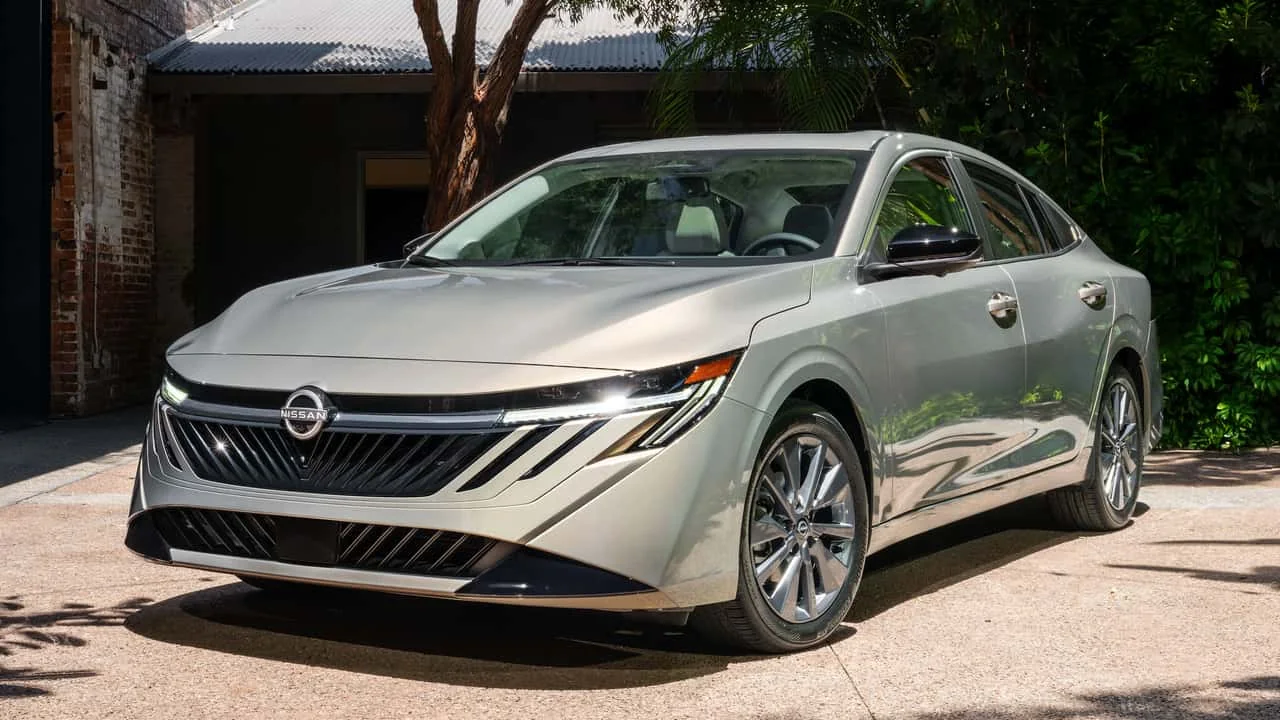
Nissan, a leading automaker, has expressed its stance on continuously variable transmissions (CVTs). According to the company, while CVTs have their advantages, they may not be the best choice for every vehicle. This statement reflects Nissan's nuanced approach to CVT technology, highlighting both its benefits and limitations.
The use of CVTs in vehicles has been a topic of debate among automotive enthusiasts and engineers. Some argue that CVTs provide smooth and efficient power delivery, while others claim they can compromise on performance and responsiveness. Nissan's CEO Ivan Espinosa weighs in on this discussion, stating that the company believes CVTs are 'probably not ideal' in certain applications.
CVTs work by using two belts with variable pulleys to create an infinite number of gear ratios. This allows for seamless power delivery and improved fuel efficiency. However, this design also introduces limitations, such as reduced torque output and potential engine strain. Nissan's assessment suggests that these drawbacks may outweigh the benefits in specific situations.
In certain applications, CVTs can be optimized to mitigate their limitations. For instance, some manufacturers have developed specialized CVT designs for specific vehicle types or driving conditions. By tailoring the CVT to the application, it is possible to balance performance and efficiency.
Nissan's approach to CVT technology reflects its commitment to innovation and customer satisfaction. The company continues to invest in research and development, exploring new ways to improve CVT design and functionality. This focus on optimization will likely lead to more efficient and responsive powertrains for Nissan vehicles.
The relevance of CVTs in modern vehicles is a topic of ongoing discussion. As the automotive industry shifts towards electrification and hybridization, the role of CVTs may evolve. However, for now, it seems that CVTs are best suited for specific applications where their benefits outweigh their drawbacks.
Nissan's stance on CVTs serves as a reminder that technology choices must be tailored to meet the needs of each vehicle and driver. By considering the unique characteristics of each application, manufacturers can create powertrains that deliver optimal performance and efficiency.
As the automotive landscape continues to change, it will be interesting to see how Nissan and other manufacturers adapt CVT technology to emerging trends. With ongoing advancements in materials science and computer simulations, it is likely that future CVTs will offer improved performance and efficiency.
In conclusion, while CVTs are not suitable for every vehicle, they can still play a significant role in modern powertrains. By understanding the strengths and limitations of CVT technology, manufacturers can create optimized solutions that meet the needs of their customers.
Ultimately, Nissan's assessment of CVTs highlights the importance of careful consideration when selecting transmission technology. By weighing the pros and cons of each option, manufacturers can deliver vehicles that excel in their respective segments and meet the evolving expectations of drivers.