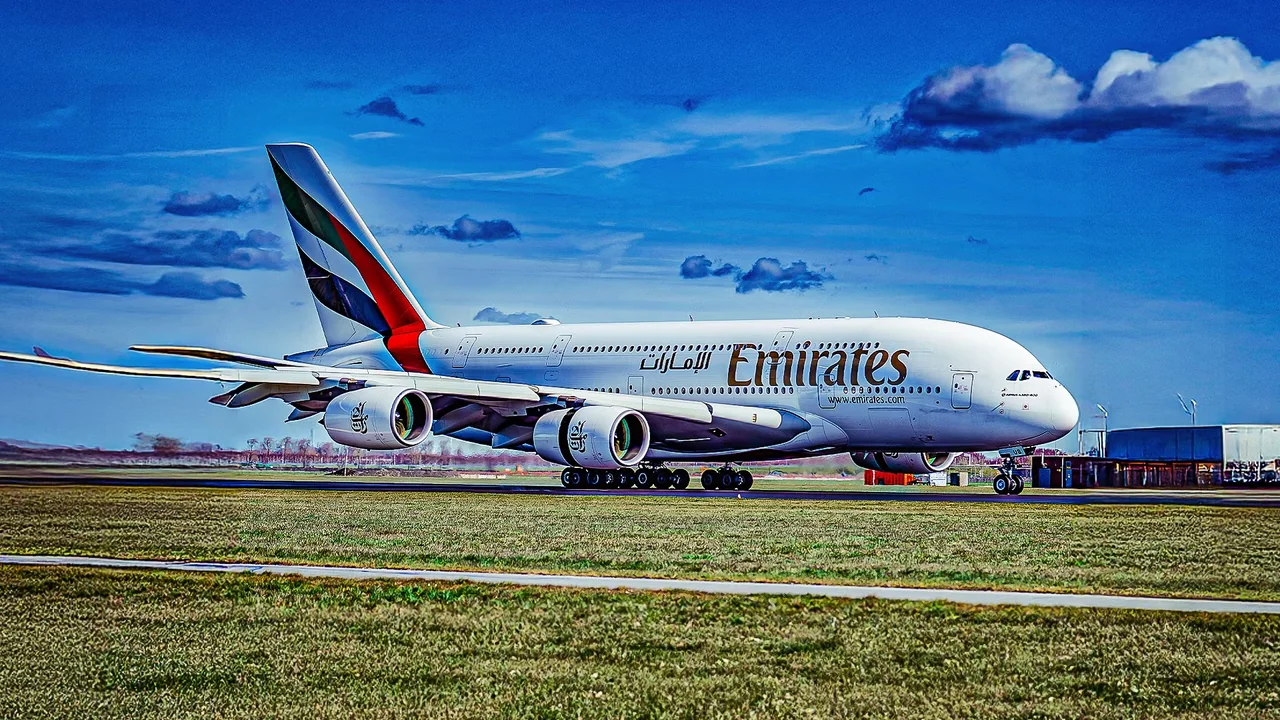
The world's oldest active Airbus A380, registered A6-EDF, has been flying passengers for over 20 years. Despite its age, the aircraft is still in service with Emirates, with no retirement date slated until the 2030s.
This particular superjumbo was first delivered to Emirates in December 2009, four years after its initial flight in February 2006.
A6-EDF's extended lifespan can be attributed to its storage period during the coronavirus pandemic, which lasted over five years across two different airports in Dubai.

The aircraft has accumulated relatively few flight hours, with only 45,087 hours flown as of January 31, 2026, compared to its peers.
Emirates' decision to keep A6-EDF in service is a testament to the airline's ability to manage costs and adapt to changing market conditions.
The aircraft has been deployed on a wide range of routes out of Dubai International Airport, including flights to King Abdulaziz International Airport, Bangkok, Hong Kong, Cairo, and Bali.
A6-EDF's route network reflects Emirates' efforts to maintain a diverse fleet and minimize the impact of aircraft retirement on its operations.
The continued operation of A6-EDF also highlights the importance of maintaining a flexible workforce and managing the transition of aircraft from one phase of life to another.
As the aviation industry continues to evolve, airlines must remain agile and responsive to changing market demands and technological advancements.
The extended lifespan of the A380 highlights the airline's adaptability and ability to manage costs.