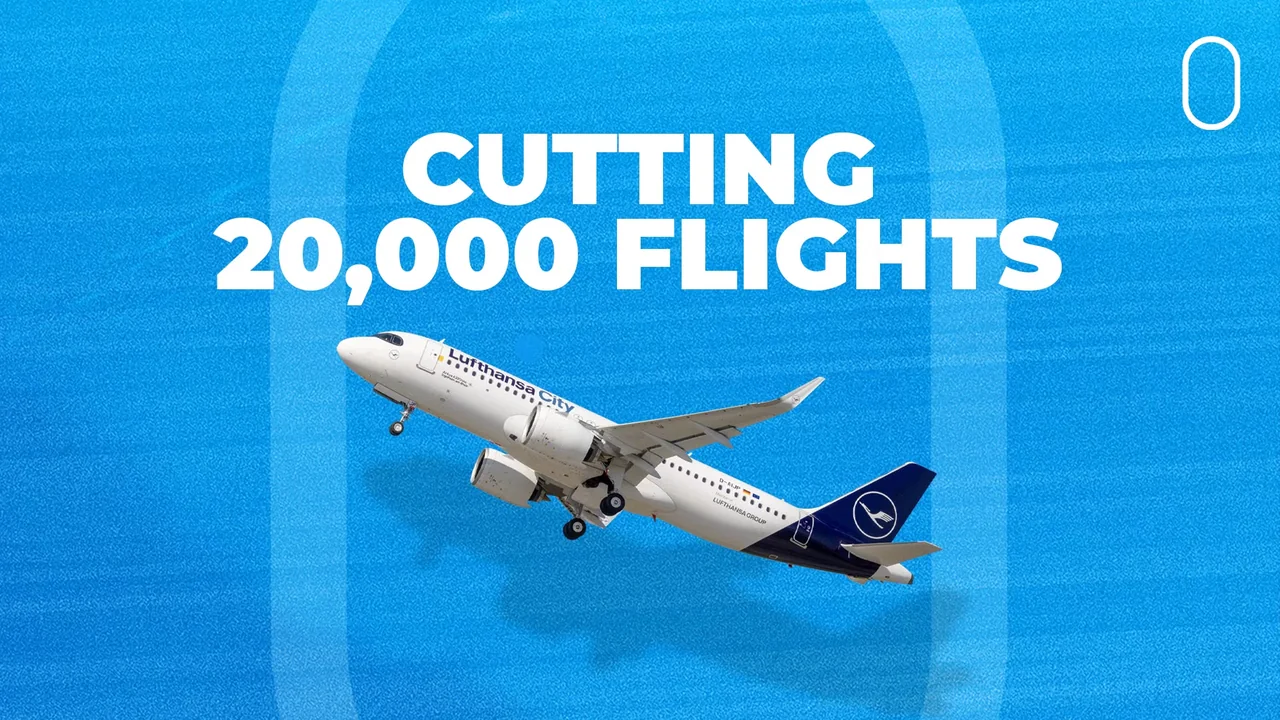
Lufthansa Group has announced that it will be canceling approximately 20,000 flights from its schedule between now and October due to the ongoing fuel crisis. The airline is taking proactive measures to mitigate the impact of surging jet fuel prices on its operations. By adjusting its flight schedules, Lufthansa aims to reduce its exposure to volatile fuel costs and maintain a stable level of service for its customers.
The fuel crisis sparked by the war in Iran has led to a significant increase in jet fuel prices, making it challenging for airlines like Lufthansa to operate profitably. The airline's decision to cancel flights is a response to these rising costs, which are affecting not only Lufthansa but also other airlines and aviation companies worldwide.
The impact of the fuel crisis on the aviation industry will be felt across various sectors, from airlines to airports and fuel suppliers. As fuel prices continue to rise, airlines are forced to re-evaluate their business models and find ways to reduce costs without compromising safety standards.
Lufthansa's decision to cancel flights is a clear indication of the challenges that the aviation industry faces in the current environment. The airline's willingness to adapt to changing circumstances demonstrates its commitment to maintaining a stable level of service for its customers despite the uncertainty surrounding fuel prices.
As the fuel crisis persists, it is likely that other airlines will follow Lufthansa's lead and adjust their flight schedules accordingly. This could have significant implications for global air travel, particularly during peak periods when demand for flights is high.
The rise in jet fuel prices has already led to a decline in airline profits, with many carriers reporting decreased revenue due to the increased costs. The fuel crisis is further exacerbating this trend, making it essential for airlines like Lufthansa to find ways to reduce their expenses without compromising safety standards.
Lufthansa's decision to cancel flights is also a reflection of the airline's efforts to maintain a stable level of service despite the uncertainty surrounding fuel prices. By adjusting its flight schedules, the airline aims to minimize the impact of rising fuel costs on its operations and ensure that it can continue to provide reliable service to its customers.
The aviation industry is facing significant challenges ahead, with the fuel crisis being just one of the many factors affecting the sector. As airlines like Lufthansa adapt to changing circumstances, they must also consider other factors such as rising labor costs, increased regulatory scrutiny, and growing competition from low-cost carriers.
As the fuel crisis continues to affect global air travel, it is essential for airlines like Lufthansa to prioritize flexibility and adaptability in their operations. By doing so, the airline can minimize the impact of rising fuel costs on its business and ensure that it remains competitive in a rapidly changing market.
Lufthansa's decision to cancel flights is a clear indication that the aviation industry must take proactive measures to address the challenges posed by the fuel crisis. By working together and finding ways to reduce costs without compromising safety standards, airlines can help mitigate the impact of rising fuel prices on their operations.
The fuel crisis is having a ripple effect on the entire aviation industry.