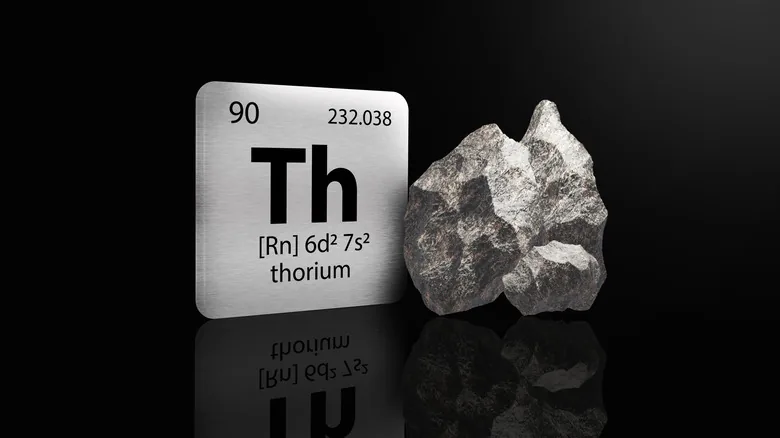
The high cost of gas is making electric vehicles a more attractive option for many drivers, but range anxiety remains a concern. A new alternative could be on the horizon: thorium-powered cars. Thorium is a naturally occurring radioactive element that can be used as an alternative to uranium in nuclear reactors.
Unlike traditional nuclear reactors, thorium is abundant and relatively stable, making it a more attractive option for mobile applications. In theory, the concept behind a thorium-powered car is simple: heat generated by a laser initiates a nuclear reaction, producing steam that powers a turbine.
The idea of using thorium in cars has been around since the 1950s, but never gained traction due to safety concerns and high costs. The most promising concept was proposed by Laser Power Systems in 2011, which envisioned a compact reactor weighing around 500 pounds.
However, despite its promise, the thorium-powered car never had a working model. At best, it was a study of what could be possible. The lack of progress has left many wondering if this alternative will ever become a reality.
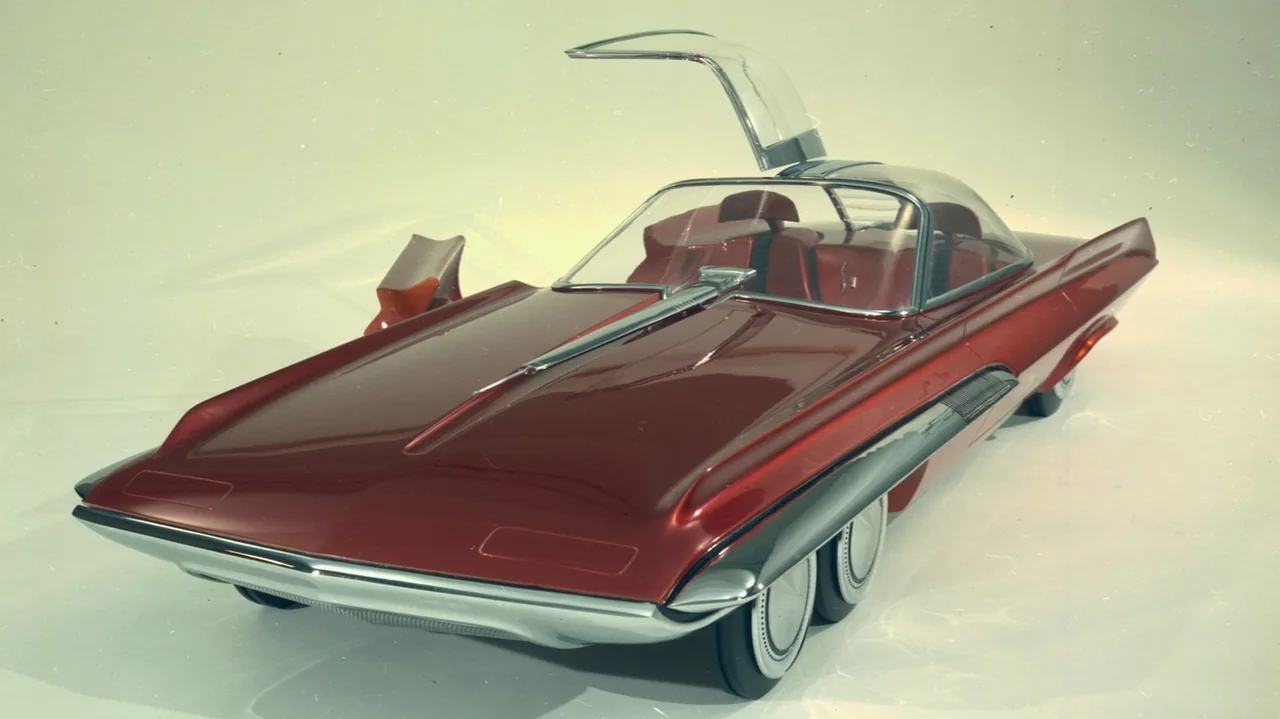
The concept is not new, but rather an evolution of previous ideas. In 1958, Ford revealed the Nucleon Concept, which used a scaled-down uranium fission reactor to power a car. However, the design was ultimately deemed too heavy and expensive.
Nearly 50 years later, in 2009, Cadillac introduced the World Thorium Fuel concept, which proposed a thorium reactor built inside a vehicle designed to run for 100 years without refueling. The design study was led by renowned New York designer Loren Kulesus.
One of the key benefits of using thorium is that it requires an external source of neutrons to maintain a nuclear reaction, making it safer for mobile applications. However, this also means that the reactor must be constantly fueled and maintained.
Despite the challenges, the concept of thorium-powered cars remains intriguing. With the increasing demand for sustainable energy solutions, alternative propulsion methods like nuclear power could become more viable in the future.