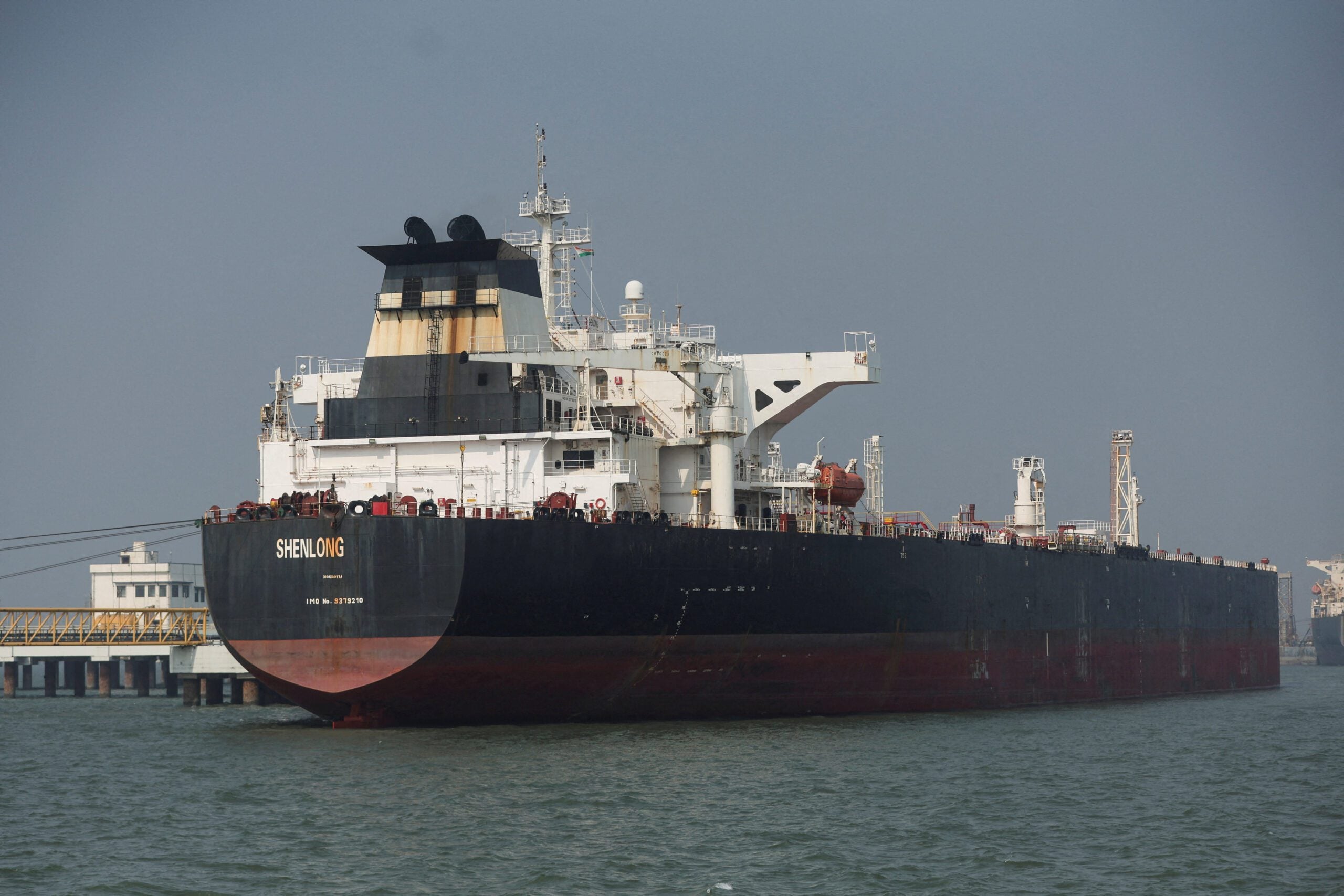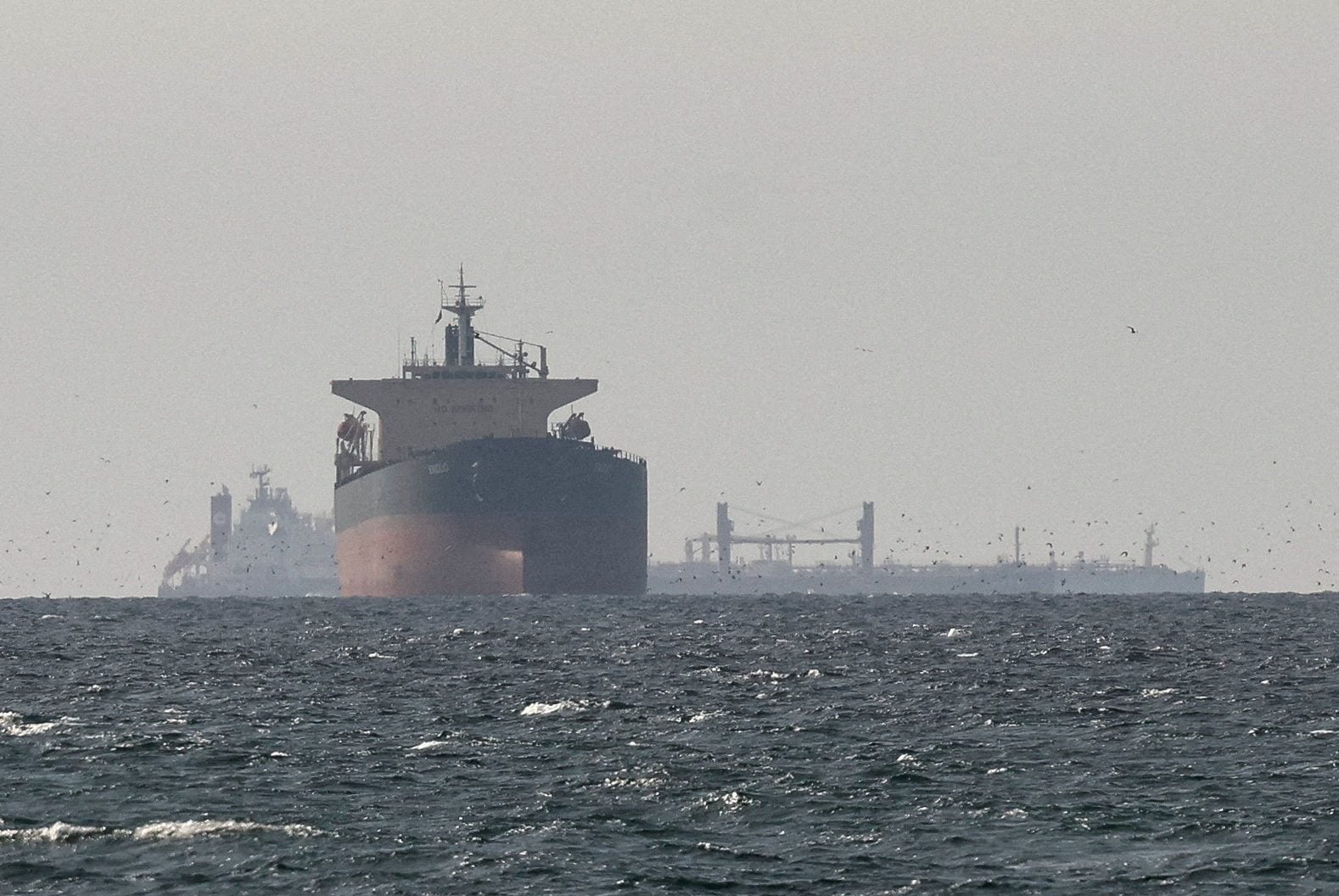


Following the shipping company Brittany Ferries’ refusal to stop transporting unweaned calves from Ireland to France, NGOs are planning a media campaign to raise awareness about animal welfare issues. The peak calf export season is set to begin this month, with tens of thousands of young animals being transported on ships and then by road to countries in Europe.
Animal welfare groups have expressed concern over the treatment of these animals, citing long periods without food and inadequate protections. In a survey, 83% of EU citizens showed concern about the transport of unweaned calves, while only 22% believed current protections were sufficient.
Brittany Ferries has been carrying unweaned calves on its ships for over a year, with some journeys lasting up to 50 hours. The company’s refusal to stop transporting these animals has sparked criticism from NGOs, including Compassion in World Farming, FOUR PAWS, Welfarm, and Ethical Farming Ireland.
These groups plan to launch a media campaign to highlight the animal welfare issues at play. Charlotte Reid, Deputy Director of Global Campaigns at Compassion in World Farming, stated that Brittany Ferries is “in deep water” due to its refusal to stop transporting unweaned calves, which are in breach of EU animal welfare law.
The company’s actions have been criticized for being cruel and bad for business. As the peak calf export season begins, animal welfare groups will continue to push for better protections and treatment of these young animals.
The transportation of unweaned calves is a complex issue that requires immediate attention from policymakers and industry leaders. It is crucial that we prioritize the welfare of these animals and work towards more humane treatment practices.