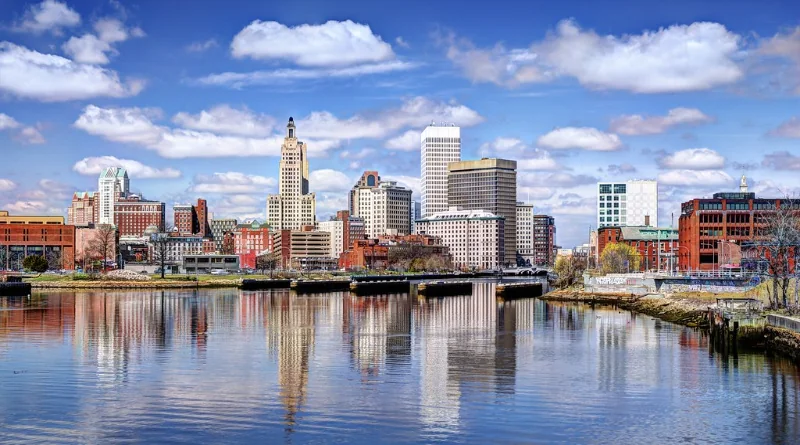
The city of Providence, Rhode Island, has a rich history marked by industrial pollution, including the presence of thousands of per- and polyfluoroalkyl substances, commonly known as PFAS or 'forever chemicals.' These toxins were released into the environment through textile manufacturing, contaminating local waterways. The Woonosquatucket and Moshassuck Rivers, which converge to form the Providence River, were particularly affected by mill pollution, rendering them unsuitable for swimming due to their hazardous conditions.
The impact of industrial pollution on local ecosystems cannot be overstated. In the 1970s, a University of Rhode Island contest aimed to capture a live fish in the Providence River proved unsuccessful, with only a scrawny, translucent life form being caught. This anecdote highlights the severe environmental degradation caused by decades of industrial activity.
By 2010, numerous hazardous waste sites and leaking underground storage tanks posed significant problems for the city. The Department of Environmental Management's Office of Waste Management has been working to investigate and remediate contaminated sites in Providence and across the state since then.
In recent years, Mayor Brett Smiley has committed to bolstering climate resiliency and positioning Providence as a national leader in the green economy. A $3 million proposal for a green revolving fund was recently announced, aiming to dedicate city funds to renewable energy and decarbonization efforts.
The green revolving fund concept is a capital pool within a governmental authority that focuses on sustainability projects. While it may seem like a straightforward approach, these funds must produce cost savings to replenish the capital pool. This ongoing funding approach ensures a revolving portfolio of sustainable projects over time.
Historically, western countries have applied green revolving funds for clean energy and urban greening initiatives. More recently, green stormwater and wastewater infrastructure, as well as drinking water capacity projects, have become increasingly common applications for these funds.
The potential applications for a green revolving fund in Providence are vast. Amelia Keyes from the Harvard Law Review suggests that ecological services management, such as forest management and wetlands conservation, could be key sectors for funding. Water supply infrastructure is another area where these funds could drive positive change.
Rooftop solar projects, like those proposed for park maintenance buildings near the Roger Williams Park Carriage House, have the potential to find at least partial funding from the green revolving fund. This initiative demonstrates Mayor Smiley's commitment to promoting renewable energy and reducing the city's carbon footprint.
As Providence embarks on its decarbonization journey, it is essential to consider the long-term benefits of a well-designed green revolving fund. By leveraging cost savings and available capital, these funds can drive sustainability over time and serve as a model for other cities to follow.
Green revolving funds can drive long-term sustainability through cost savings and available capital.