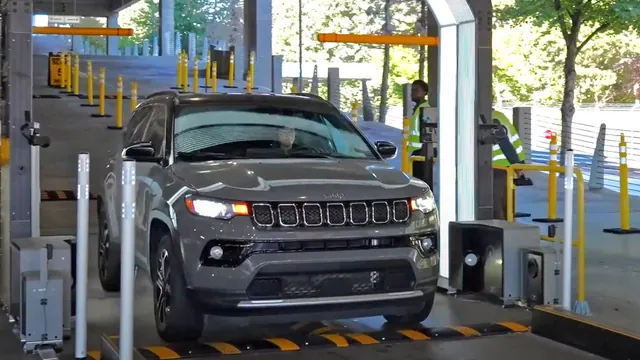


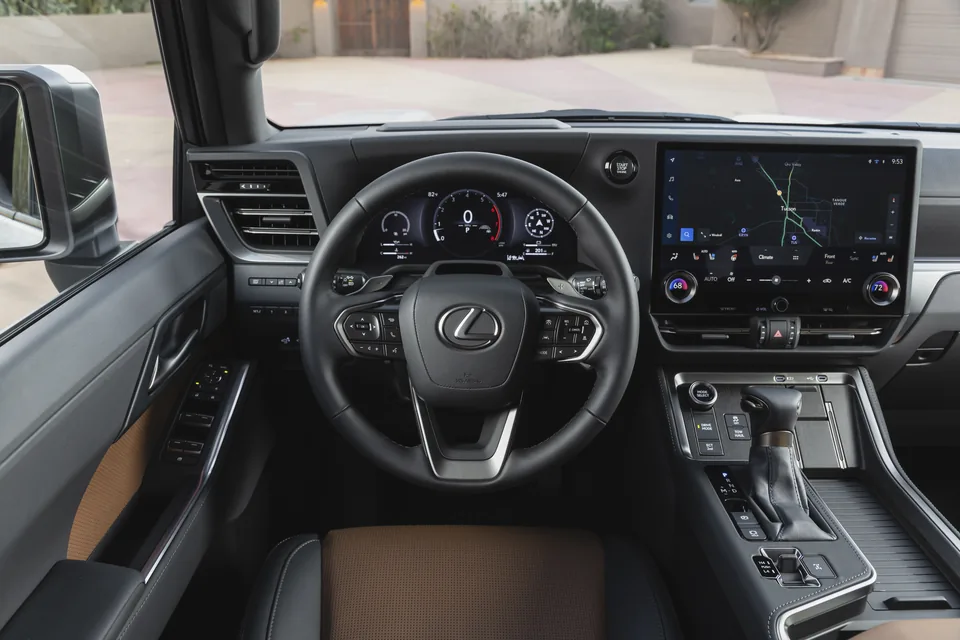
A recent case in North Carolina highlights the growing threat of AI-powered cloning scams in the automotive industry. A buyer wired $77,300 for a non-existent Lexus GX 550, while the dealership they blamed was actually innocent. This is just one example of how scammers are using artificial intelligence to create convincing dealership websites and deceive consumers.
A study by s suggests that these scams are becoming increasingly sophisticated, with fraudsters building full-scale replicas of dealership websites complete with inventory, staff photos, and even AI-generated testimonials. Some scammers even offer a 'trust kit' bundle of forged documents to remove any doubt from potential buyers.
The danger and damage caused by these scams are clear, but so too is the impact on legitimate retailers. When victims realize they've been duped, they often leave angry reviews for the dealership they think scammed them. In some cases, dealers have had to involve law enforcement just to prove their innocence.
Small dealerships are particularly vulnerable to these scams due to their smaller sites and lower online profiles. This makes it easier for scammers to target them and avoid detection. As a result, buyers must be even more cautious when conducting business online.
To verify a dealership's authenticity, experts recommend taking steps beyond the website alone. Buyers should call listed phone numbers, cross-check URLs, and be wary of any requests for quick payment or wire transfers.
In the age of AI, scammers are using polished websites and responsive communication as red flags rather than indicators of a reputable business. This highlights the need for buyers to dig deeper and verify a dealership's legitimacy before making a purchase.

The rise of AI-powered cloning scams is a stark reminder of the importance of online safety and due diligence when buying a vehicle. Buyers must be vigilant and take steps to protect themselves from these sophisticated scams.
As the number of these scams continues to grow, it's essential for buyers and retailers alike to stay informed and take action. By being aware of the tactics used by scammers and taking steps to verify a dealership's authenticity, we can reduce the risk of falling victim to these devastating scams.
The automotive industry must also take a proactive role in addressing this issue. Dealerships must be vigilant in monitoring their online presence and reporting any suspicious activity to law enforcement. By working together, we can combat these scams and protect consumers from financial loss.
Scammers are using AI tools to create convincing dealership websites and bleed consumers dry.