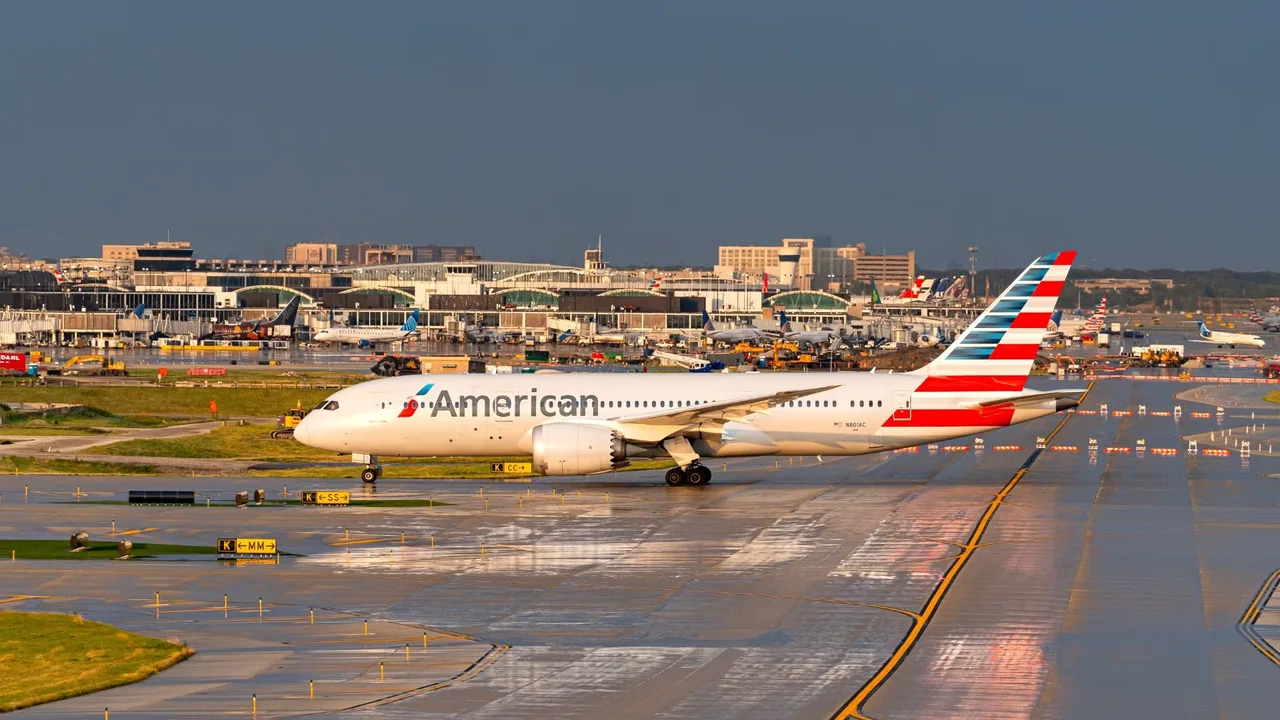
The world's busiest airport by aircraft movements is actually Chicago O'Hare International Airport (ORD), not Hartsfield-Jackson Atlanta International Airport (ATL).
A key reason behind this paradox is the increased use of regional jets at O'Hare, which allows passengers from the Midwest and beyond to connect onto mainline flights operated by major US legacy carriers.
The FAA's enforcement of schedule cuts will likely have a significant impact on American Airlines and United Airlines' operations at O'Hare.

These airlines have been aggressively increasing their capacity at O'Hare in a rivalry that has seen the pair fight for supremacy at the hub.
With O'Hare set to see almost 15% more flights on peak days this year than in the summer of 2025, the potential for overscheduling and disruption is high.
Airlines have been told to cut flights, and FAA Administrator Bryan Bedford has commended them for complying with these measures.

The reduction in flights will likely result in a more reliable travel experience for passengers at O'Hare.
However, the impact of these cuts on regional airports such as Des Moines will also be significant.
As the peak summer season approaches, airlines and regulators must work together to ensure that operations are efficient and safe.

The FAA's measures to reduce disruptions will have a positive impact on the travel experience, but airlines must balance capacity with operational efficiency.