
The 2026 Aviation Plan of the US Marine Corps describes a three-stage timeline of continuous transformation between now and 2040.
This transformation is structured under Project Eagle, with three Future Years Defense Programs divided between Fight Tonight (2026-2030), Bridge the Gap (2031-2035), and Future Fight (2036-2040).
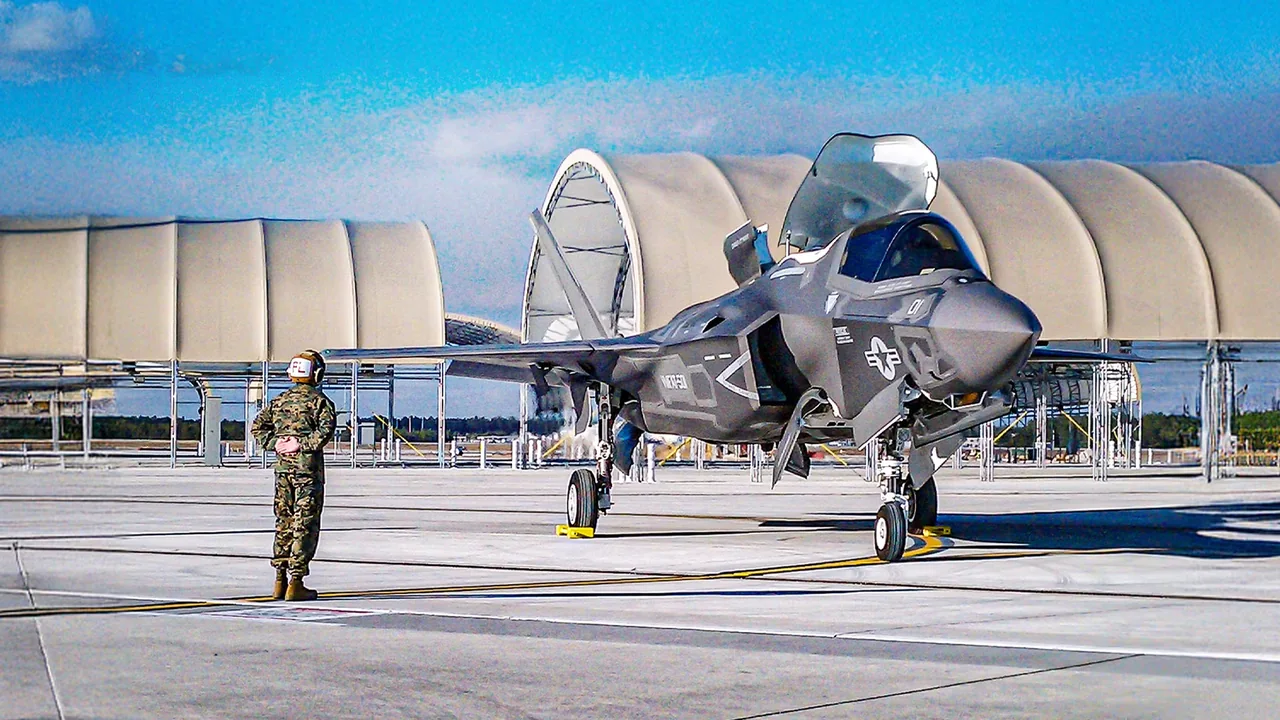
The introduction of the Lockheed Martin F-35B Lightning II transformed the Tactical Aviation division of the Marine Corps by introducing the first stealth aircraft in its history.

These aircraft not only replace the Legacy Boeing AV-8B Harrier jump jet with a far more capable VTOL platform but also bring a host of new capabilities.
The distributed aviation operations concept, central to Project Eagle, represents a paradigm change for the US Marine Corps.
This approach enables the Marines' return to a highly mobile, 'Raider-style' expeditionary force tailored for the Indo-Pacific region.

Using stealth and 'shoot-and-scoot' tactics, the F-35 can strike from a distance and withdraw before being detected by advanced adversary air defenses.
The F-35B's STOVL capability allows amphibious assault ships to operate as Lightning Carriers, providing a lower-profile alternative to traditional supercarriers.
This flexibility is critical for maneuvering through the island chains of the Pacific, where smaller ports and shallower waters are essential.

The F-35B's advanced capabilities will significantly empower the Marines' strategic capabilities in the Indo-Pacific region.