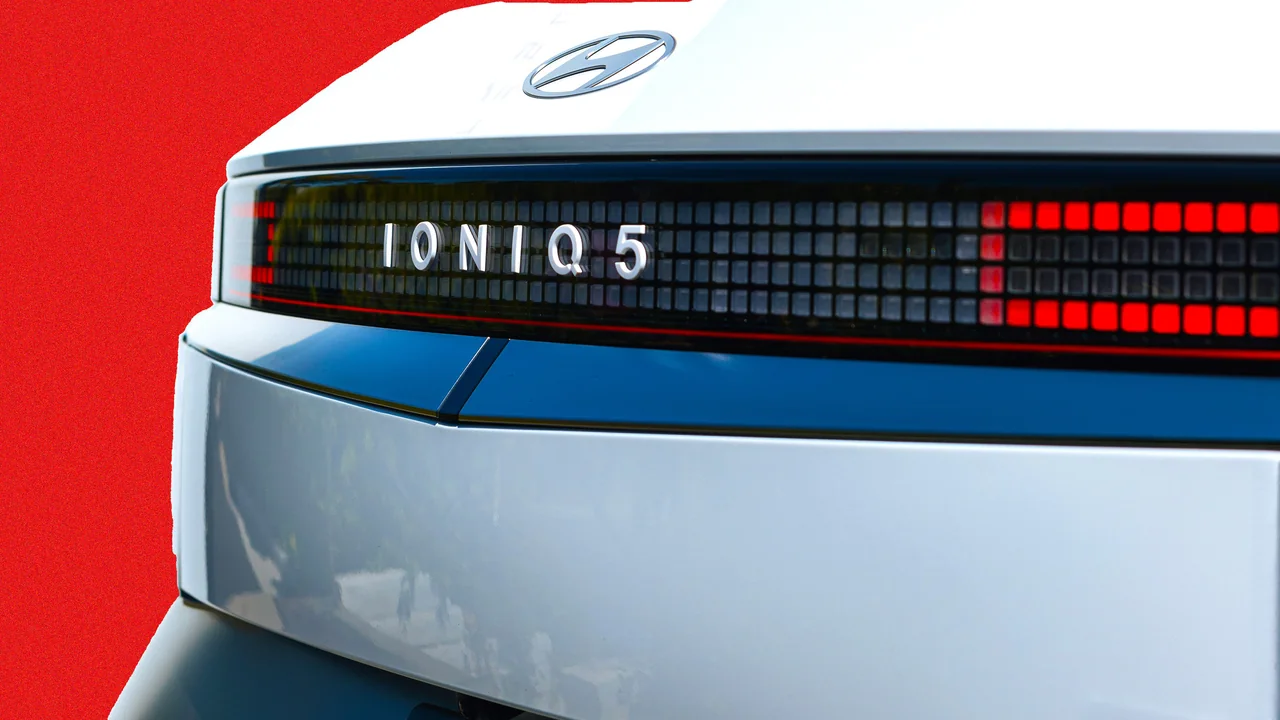
Hyundai's ICCU recall, which was initially intended to resolve issues with stranded electric vehicle (EV) owners, has taken an unexpected turn. The recall, which began in 2020, aimed to address problems with the vehicles' battery management systems and charging infrastructure. However, a recent lawsuit claims that Hyundai reopened the book on unresolved EV owners, leaving many customers still without access to their vehicles.
The lawsuit alleges that Hyundai failed to provide adequate support to its stranded customers, who were left waiting for repairs or replacement parts. As a result, many EV owners have been forced to rely on alternative transportation options, such as public transit or ride-sharing services. This has led to significant financial and emotional burdens on these individuals.
The court will closely examine Hyundai's handling of the recall and its impact on customer satisfaction. The lawsuit seeks damages for Hyundai's alleged negligence and failure to fulfill its obligations under warranty. If successful, the ruling could set a precedent for future recalls involving electric vehicles.
Hyundai has maintained that it took all necessary steps to address the issues with its EVs. However, the company's actions have been called into question by the lawsuit, which claims that Hyundai prioritized profits over customer needs. The court will determine whether Hyundai's actions were reasonable and justified under the circumstances.
The ICCU recall was initially seen as a positive step for Hyundai, as it demonstrated the company's commitment to addressing customer concerns. However, the lawsuit suggests that this effort may have been insufficient or poorly executed. As a result, many EV owners remain without access to their vehicles, leaving them with limited options for transportation.
The impact of the lawsuit on Hyundai's reputation and bottom line is still unclear. However, the company's response to the allegations will be closely watched by industry observers and regulators. A successful defense could help to mitigate any negative consequences, while a defeat could damage Hyundai's credibility and lead to increased scrutiny from lawmakers.
In recent years, electric vehicles have become increasingly popular, with many consumers opting for their environmental benefits and performance advantages. However, the recall of these vehicles also highlights the need for greater attention to safety and reliability issues. The lawsuit serves as a reminder that even well-intentioned efforts can go awry if not executed properly.
As the automotive industry continues to evolve, it is essential that manufacturers prioritize customer satisfaction and safety above profits. The outcome of this lawsuit will provide valuable insight into how companies should handle similar situations in the future.
Ultimately, the resolution of this case will depend on the court's interpretation of Hyundai's actions and their impact on its customers. The outcome could have far-reaching implications for the industry as a whole, serving as a model for how recalls involving electric vehicles should be handled.
The court will closely examine Hyundai's handling of the recall and its impact on customer satisfaction.