China's pressure on Panama-flagged ships has sparked a strong response from a US-led bloc of Latin American and Caribbean governments.
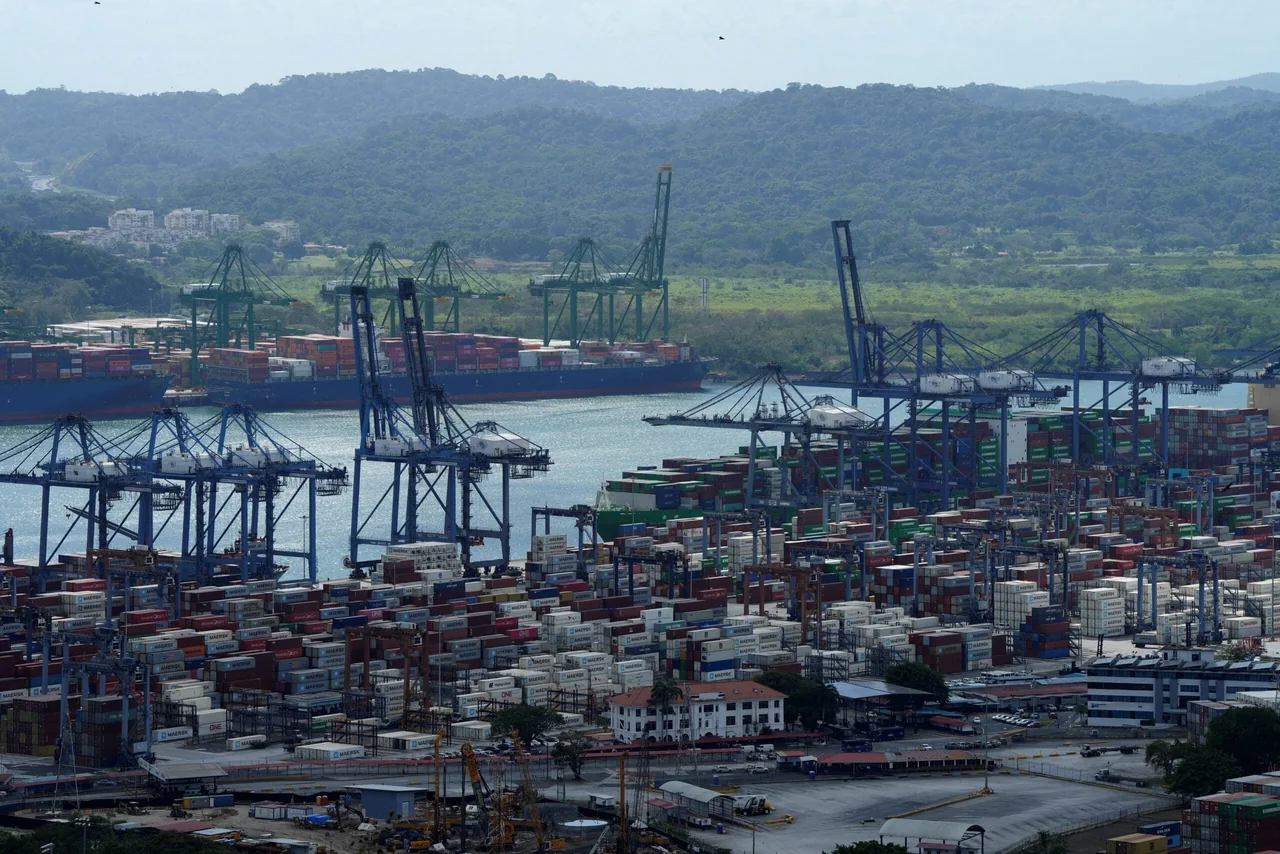
These governments have issued a joint statement condemning China's targeted economic pressure following Panama's decision to remove CK Hutchison Holdings from control of the Balboa and Cristóbal terminals flanking the Panama Canal.
The statement, backed by six nations including the United States, Bolivia, Costa Rica, Guyana, Paraguay, and Trinidad and Tobago, says recent actions affecting Panama-flagged ships are a 'blatant attempt to politicize maritime trade' and infringe on sovereignty.
This coordinated response comes as mounting concern over China's increasing pressure on Panama-flagged shipping has drawn attention across the global shipping industry.
Data from The Loadstar has shown a sharp increase in ship detentions of Panama-flagged vessels in Chinese ports under the Tokyo MOU regime, with 91 out of 123 vessels detained in March.
The spike in detentions has raised concerns about the use of port state control inspections as leverage in a broader geopolitical contest.
This dispute traces back to January, when Panama's Supreme Court invalidated the legal framework supporting Hutchison's decades-old concessions, prompting authorities to assume control of the two strategic terminals.
Under temporary arrangements, APM Terminals and Terminal Investment Limited have taken over operations at Balboa and Cristóbal pending a new concession framework.
The situation highlights the complex web of interests and rivalries in global maritime trade, with implications for international relations and economic stability.
As tensions escalate, the global shipping industry must navigate these shifting dynamics to ensure the continued flow of goods and commerce.
The move highlights the growing importance of Panama as a critical hub in global shipping, with implications for international relations and economic stability.