
Nissan's decision to cancel its electric vehicle production plans in Mississippi marks a significant shift in the company's strategy. The move comes as the US market cools faster than expected, with slumping demand and shifting consumer preferences driving the change.
The cancellation of the EV production plans is a result of Nissan's broader rethink inside the company, which aims to better align with market conditions, customer demand, and its updated strategic direction. This shift reflects changing buyer preferences, with gas-powered vehicles and hybrids proving more resilient than fully electric models in the US market.
Nissan had once positioned the Mississippi factory as a key pillar of its electric future, but the timelines for multiple EV models had already slipped, having been pushed back by nine months last year. The entire program has now been shelved, with the company opting to pivot toward more traditional vehicles instead.
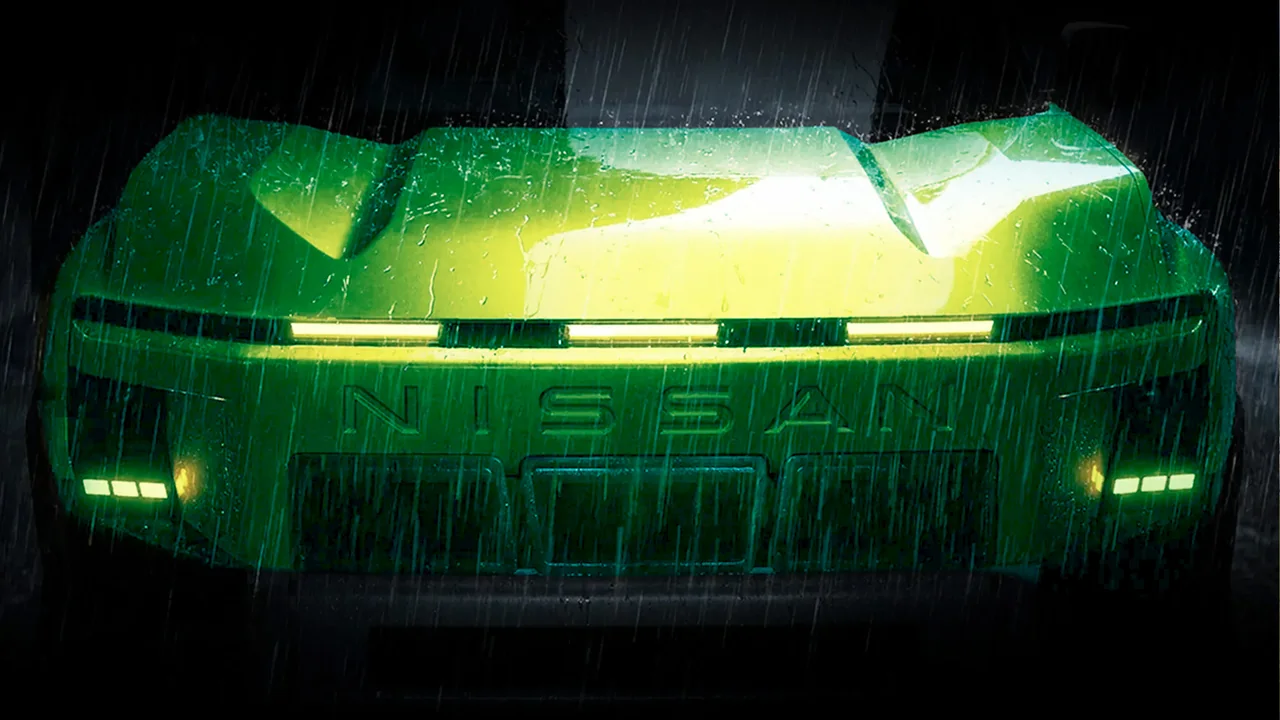
The automaker is investing in a new generation of products, starting with a revived Xterra expected later in the decade. More models will follow, all sharing a common architecture designed to cut costs and boost efficiency. This shift towards a hybrid-focused lineup reflects Nissan's efforts to adapt to changing market conditions.
Five new internal combustion engine (ICE) models are in the works, with sources revealing that those vehicles will have 70 percent parts commonality and be identical from the front seats forward. This common architecture will enable Nissan to reduce production costs and improve efficiency across its lineup.
The decision to cancel EV production plans is a significant blow to Nissan's electric vehicle ambitions in Mississippi. The company had invested heavily in the project, with a planned $500 million investment to pump out thousands of EVs per year. However, with federal tax credits no longer available, EV sales have struggled in the US market.
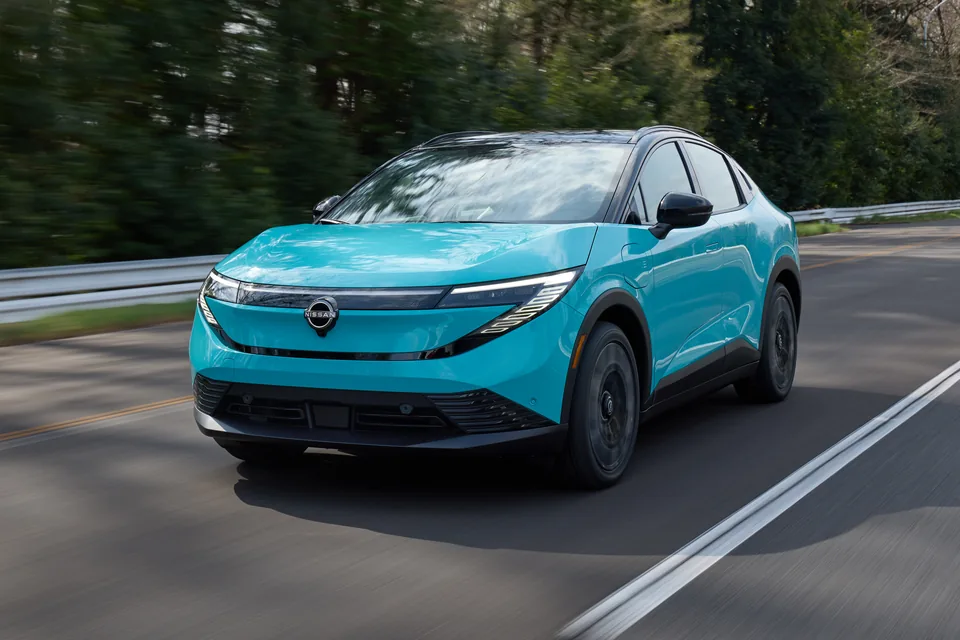
Nissan will continue selling existing models like the Leaf in the US, but its future lineup will concentrate more on hybrid technology as a stepping stone. The company aims to build on its foundation with larger, more profitable vehicles tailored to US tastes. This shift towards hybrids reflects Nissan's efforts to adapt to changing consumer preferences.
The Canton plant that was once earmarked for EV production will remain central to Nissan's North American plans, just with a different focus. The plant already produces models like the Frontier pickup and Altima sedan, and the new strategy aims to build on that foundation with larger, more profitable vehicles.
Nissan's decision highlights the challenges of scaling up electric vehicle production in a rapidly changing market. As consumer preferences shift towards more traditional vehicles, companies must adapt their strategies to remain competitive. The shift away from EVs will likely have implications for Nissan's future growth and profitability.
The company's pivot towards hybrids reflects its efforts to stay relevant in a market where demand is cooling faster than expected. With gas-powered vehicles and hybrids proving more resilient than EVs in the US, Nissan must navigate this changing landscape to remain competitive.
The shift away from electric vehicles highlights the challenges of scaling up EV production in a rapidly changing market.