
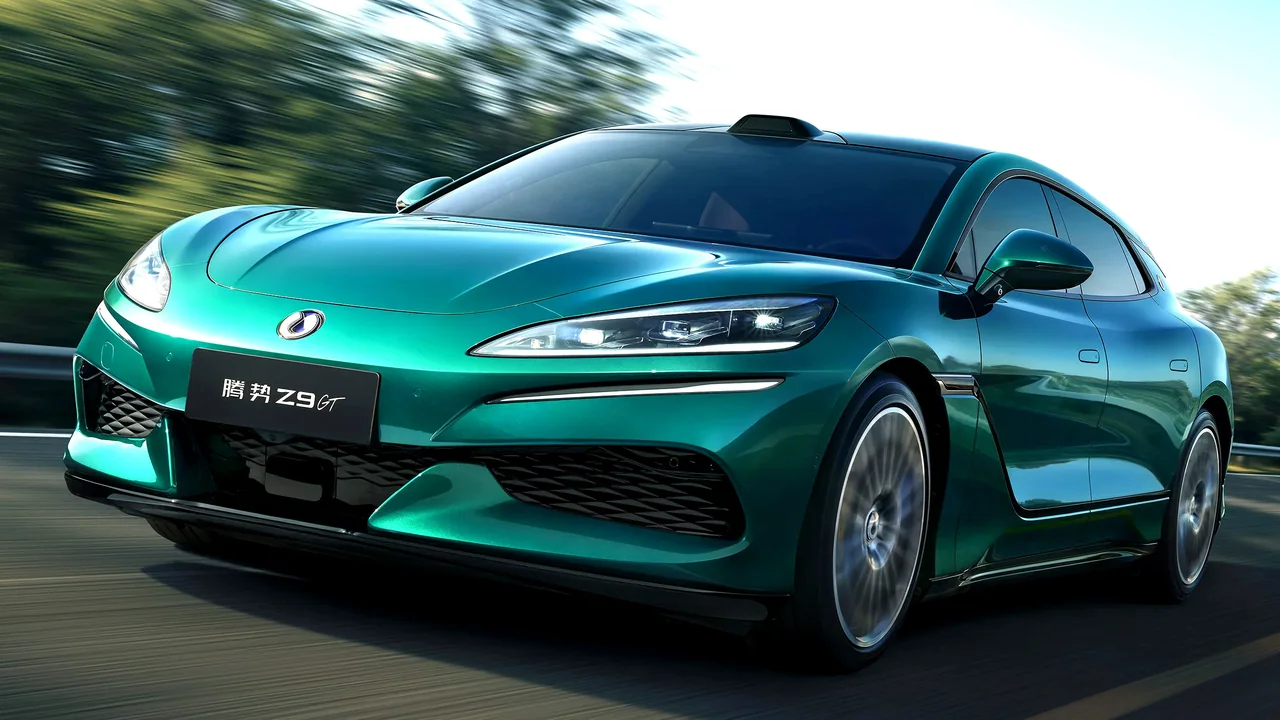
BYD's first-quarter profits plummeted by 55.4%, marking its steepest quarterly decline since 2020. The company's revenue also dropped by nearly 12% to 150.2 billion yuan, the third consecutive quarterly decline and the lowest quarterly revenue figure since Q2 2024.
This downturn is largely attributed to slower domestic sales in China, which has been experiencing a surge in electric car demand over the past few years. However, the Chinese government has scaled back subsidies for electric vehicles, reducing the incentive for consumers to purchase them.
The company's efforts to expand into the overseas market are expected to play a crucial role in its recovery. BYD plans to ship more than 1.5 million automobiles this year, with industry insiders predicting massive export growth next year.
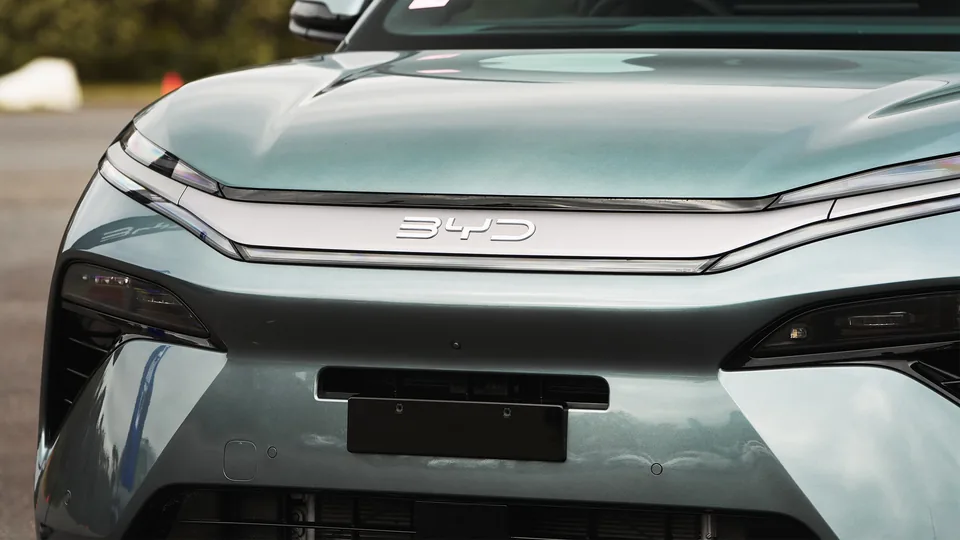
BYD is also focusing on regaining technological superiority by enhancing charging speed and other features to attract consumers who are hesitant to switch from gas-powered cars.
Despite the challenges facing the company, BYD's expansion into new markets may be its best chance at recovery. The next few quarters will be critical in determining whether the company can bounce back and regain its position as a leader in the electric car market.
The intense competition in China's electric car market is having a significant impact on companies like BYD. With reduced subsidies and increased price pressure, consumers are becoming more cautious about purchasing electric vehicles.
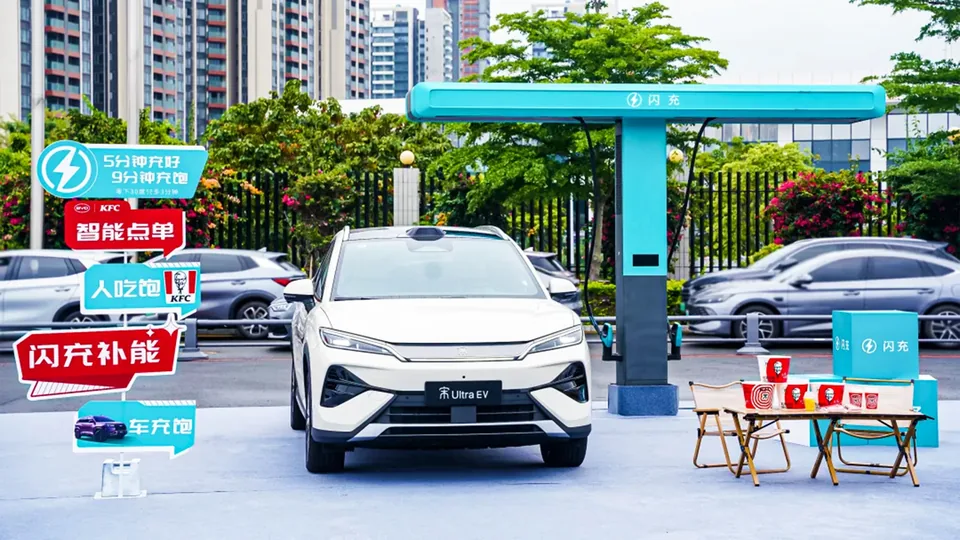
BYD's decision to launch new premium models, such as the Datang SUV, is an attempt to attract higher-end customers and sustain profitability amid the mass-market price war.
The company's ability to adapt to changing market conditions will be crucial in its recovery. With exports expected to drive growth next year, BYD must balance its domestic sales with its international expansion strategy.
BYD's electric car sales have been declining steadily over the past few months, and the company's revenue has suffered as a result. The decline is largely attributed to slower domestic sales in China.
The Chinese government's decision to halve subsidies for electric vehicles from 2026 onwards will likely exacerbate the slowdown in domestic sales.
Despite the challenges facing BYD, the company remains committed to its expansion strategy and is confident that it can overcome the current downturn. With a strong focus on exports and technological innovation, BYD is well-positioned to regain its position as a leader in the electric car market.
The Chinese electric car market is experiencing a significant slowdown due to intense price competition and reduced government subsidies.