

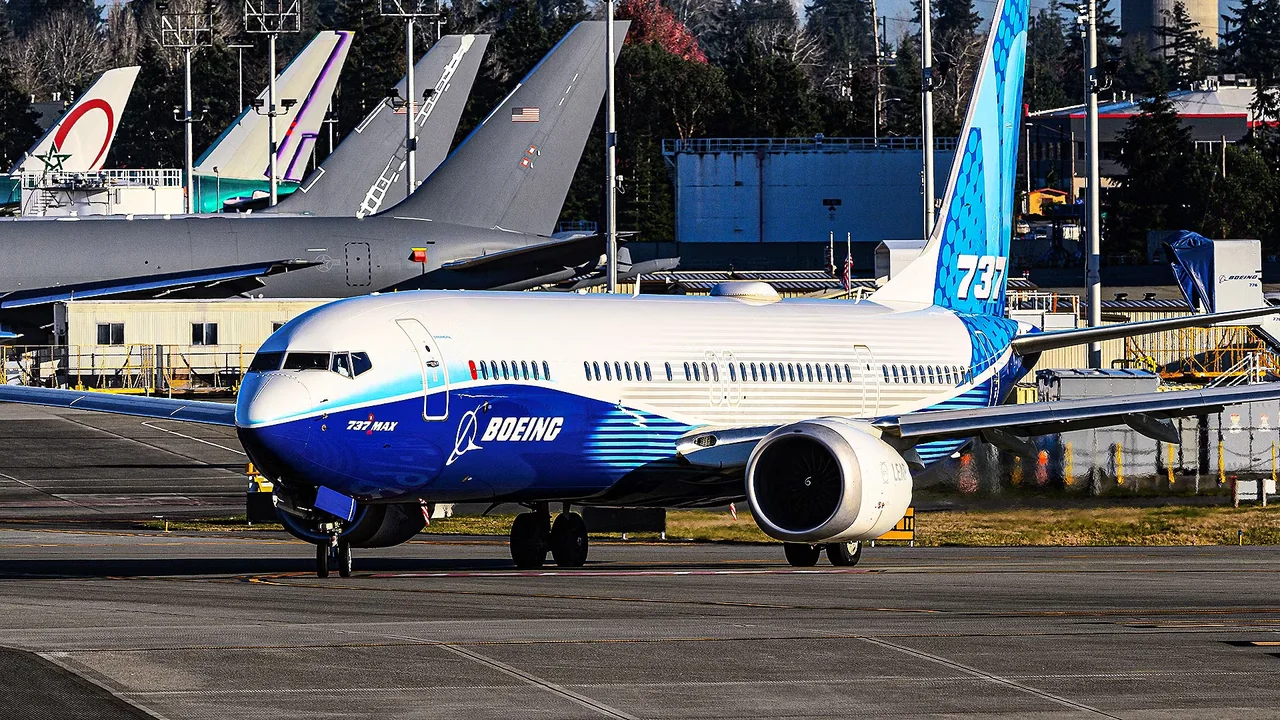
Despite securing FAA authorization for Type Inspection Authorization 2, Boeing's 737 MAX 10 certification process remains incomplete. The company has received over 1,400 orders for the aircraft, but this does not indicate that the work is done. In fact, Boeing engineers still have a significant amount of work to complete before the aircraft can be certified and delivered to airlines in 2026.
The certification process involves conducting system safety assessments (SSAs), which are crucial in identifying potential risks and ensuring the backup systems can handle extreme scenarios. Engineers must document all possible ways a system might fail and prove that the backup system would hold up in those situations.
These behind-the-scenes assessments cover everyday risks, extremely rare hazards, and even hypothetical situations never encountered before in the 60-year history of the 737 family. The goal is to identify potential issues and develop contingency plans to mitigate them.

Boeing engineer Nathan Bement explained that if a scenario is theoretically possible, it must be explored. This approach ensures that all possible risks are considered, no matter how unlikely they may seem.
With 31 SSAs still pending, Boeing has a significant amount of work ahead of it. The company notes that these assessments include analysis of the systems controlling hydraulics and engines, as well as flight controls and brakes.
The documentation required for each SSA can be extensive, spanning hundreds or thousands of pages. This is because every question that can be thought of must be asked about what might happen in the event of a failure.

Boeing's efforts to complete these assessments will require a massive effort from its engineers. The company has already secured FAA authorization for Type Inspection Authorization 2, but much work remains to be done before the MAX 10 can be certified and delivered to airlines as planned.
The certification process is crucial in ensuring the safety of passengers and crew. Boeing's commitment to thoroughness and attention to detail will likely pay off in the long run, even if it means a slightly delayed delivery schedule.
The devil is in the details of aircraft certification, requiring a thorough assessment of theoretical scenarios.