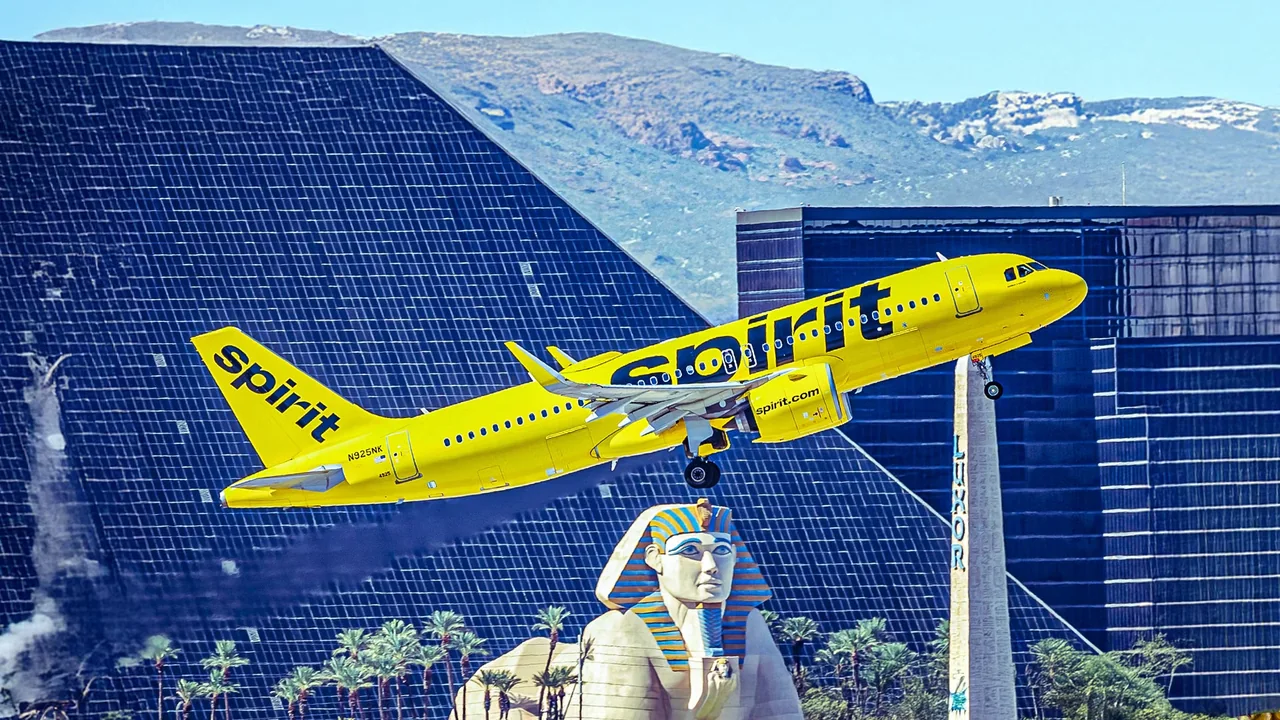
Spirit Airlines has officially ceased operations, marking the end of a 33-year history. The airline's demise is attributed to its struggles to secure creditor support and a US Government bailout after the COVID-19 pandemic and rising global fuel prices.
The airline had hoped to gain financial stability but ultimately failed to secure a government bailout, which was widely opposed by other shareholders due to concerns about wiping out investments.
Other airlines across the United States are now stepping up and offering rescue fares for affected passengers, including United Airlines, JetBlue, and Southwest Airlines.

These airlines have capped one-way fares at various prices, ranging from $99 to $400, depending on the route and travel dates.
The collapse of Spirit Airlines also highlights the impact of ultra-low-cost carriers on the industry over the past 34 years.
Spirit's demise serves as a reminder that even successful low-cost carriers can struggle to maintain financial stability in times of economic uncertainty.

The government bailout talks failed, and the airline was left with no choice but to cease operations.
Passengers affected by Spirit Airlines' collapse will receive automatic refunds for debit or credit card bookings, while vouchers, credits, and points are subject to bankruptcy court proceedings.
As the industry moves forward, it remains to be seen how other airlines will adapt to the changing landscape of ultra-low-cost carriers.

The collapse of Spirit Airlines highlights the challenges faced by ultra-low-cost carriers in maintaining financial stability.