
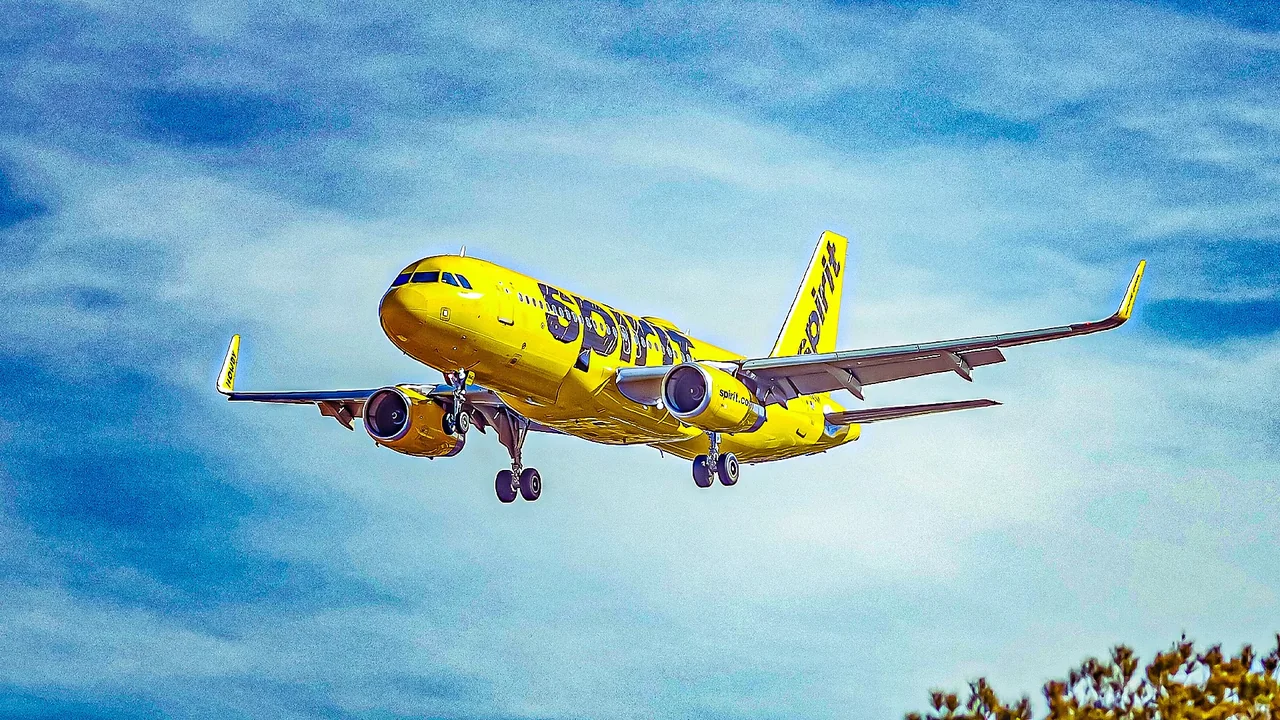
Spirit Airlines' collapse marks the end of an era for the ultra-low-cost carrier, leaving thousands of staff out of work and 91 jets scattered across the US.
The airline's decision to store aircraft in Arizona was a cost-effective solution to maintain their integrity, taking advantage of the dry conditions to prevent corrosion and rust.
Spirit operated a fleet of all Airbus A320 family of aircraft, with around 17 at Fort Lauderdale-Hollywood International Airport and 15 in Orlando International Airport, its two largest bases.

The airline's financial troubles were exacerbated by its inability to secure a government-funded bailout, which would have seen the US Government take a 90% stake in the budget airline.
In recent months, Spirit had been axing routes and frequencies and parking up to 40 aircraft as it attempted to rebalance its books.
The relocation of aircraft to Arizona will support the likes of AerSale at Goodyear to preserve the Spirit aircraft for future operators.

Leasing of aircraft is common in the airline industry, and Spirit's decision to reduce its overheads by rejecting leases was a wise move to return planes to the lessor.
The airline's top two airports were Fort Lauderdale and Orlando in Florida, accounting for nearly 25% of its departures.
As the airline ceases operations, it leaves behind a fleet of aircraft that will now be subject to the whims of market demand, with some speculating that the Airbus A321-200s may be scrapped for parts.

The airline's financial troubles were a result of its inability to rebound fully from the COVID-19 pandemic.