

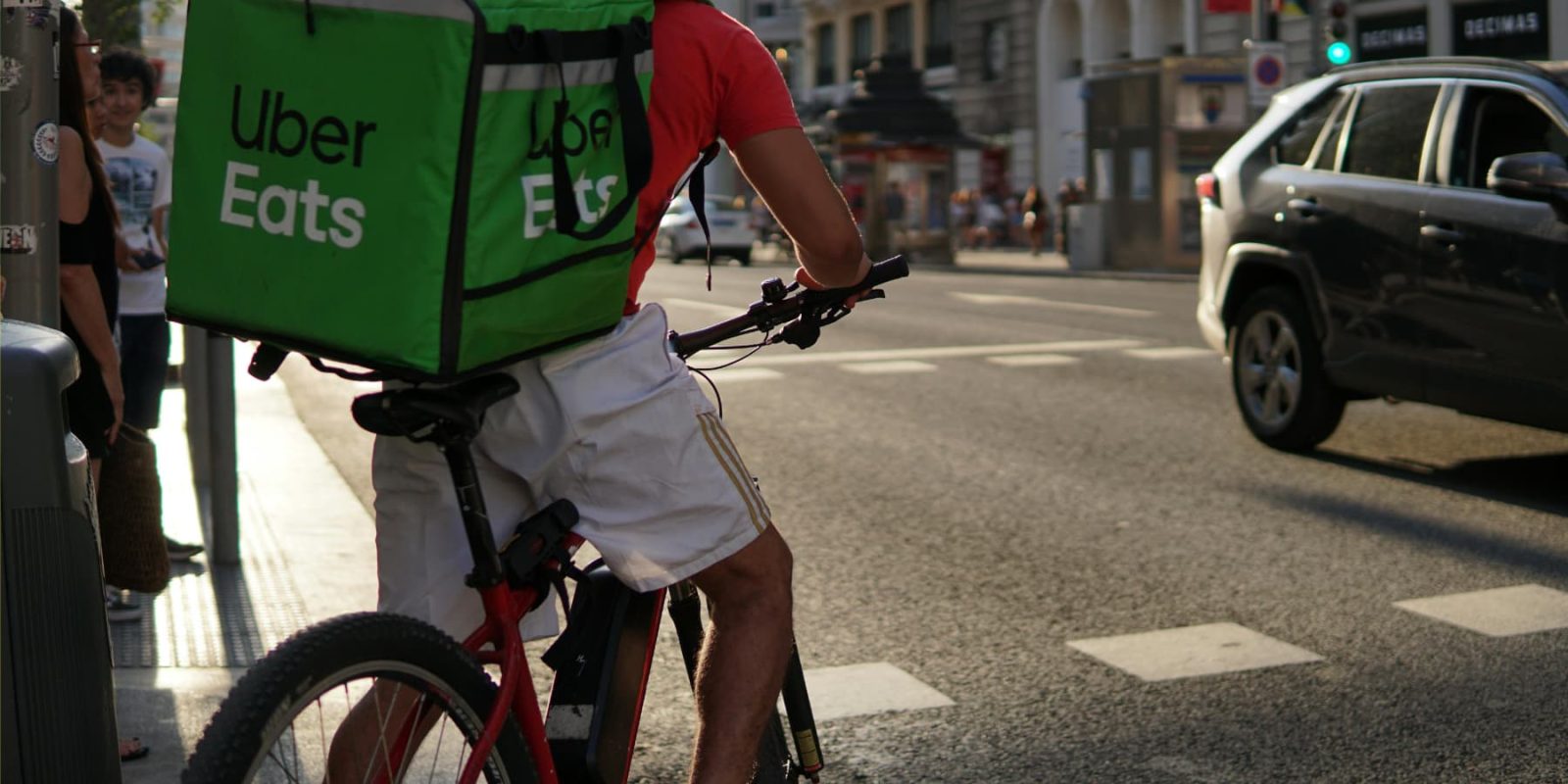
Boston City Councilor Ed Flynn has proposed a new ordinance that would ban delivery app drivers from using e-bikes, mopeds, or other motorized scooters to make deliveries in the city. The move comes after months of complaints from residents about reckless riding behavior, with some drivers allegedly speeding, running stop signs and red lights, and weaving between vehicles at red lights. According to Flynn, these behaviors pose an unpredictable danger to pedestrian safety and are often prioritized over safety by low-wage workers seeking more order assignments.
The ordinance would not ban other residents from riding e-bikes in the same manner, leaving some to wonder if the proposal is addressing the root cause of the problem or just targeting a specific group. Flynn acknowledged enforcement gaps, stating that Boston needs to enforce traffic laws on the book, but this statement raises questions about whether a blanket ban is the most effective solution.
In reality, e-bikes are often the most affordable and efficient way for delivery workers to do their jobs, and forcing them into cars could increase congestion, emissions, and delivery costs without solving the core issue of reckless behavior. The proposal has been sent to committee for review, but its fate remains uncertain as reactions among residents remain mixed.
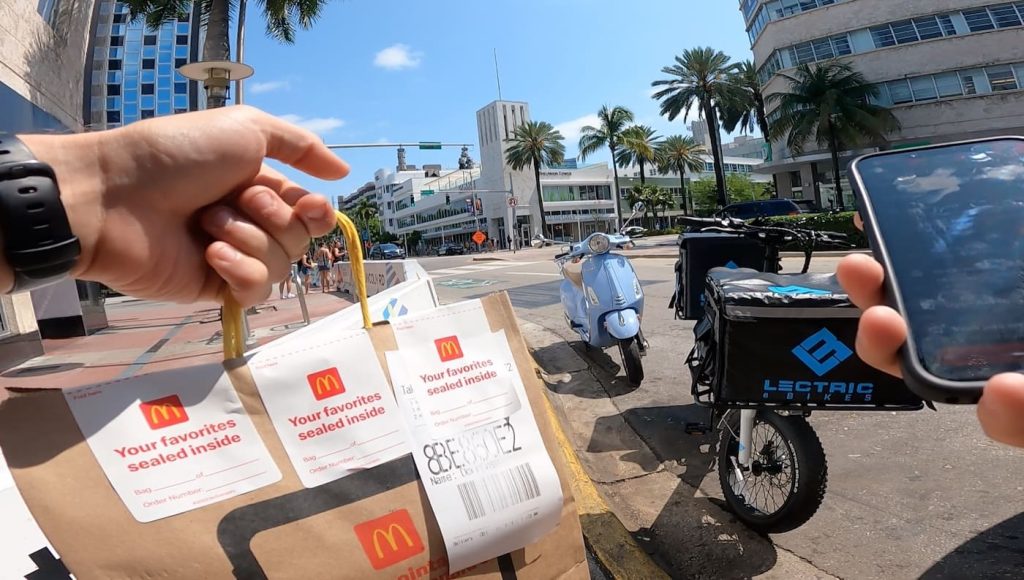
Some support the measure, citing concerns about rider safety, while others argue that it would have a negative impact on delivery riders who rely on e-bikes due to their inability to afford cars. However, the proposal's focus on one group of riders raises bigger questions about consistency and fairness in enforcement.
The issue of reckless riding behavior is not exclusive to delivery app drivers, and addressing this problem requires a more comprehensive approach that includes consistent enforcement of traffic laws for all road users. By targeting only one group, the proposal may inadvertently create more outlaws and increase traffic congestion.
Banning delivery riders from using e-bikes feels like an overcorrection, especially when compared to other measures taken against reckless drivers, such as ticketing or impounding vehicles for serious infractions. The same standard of enforcement should apply across all road users.
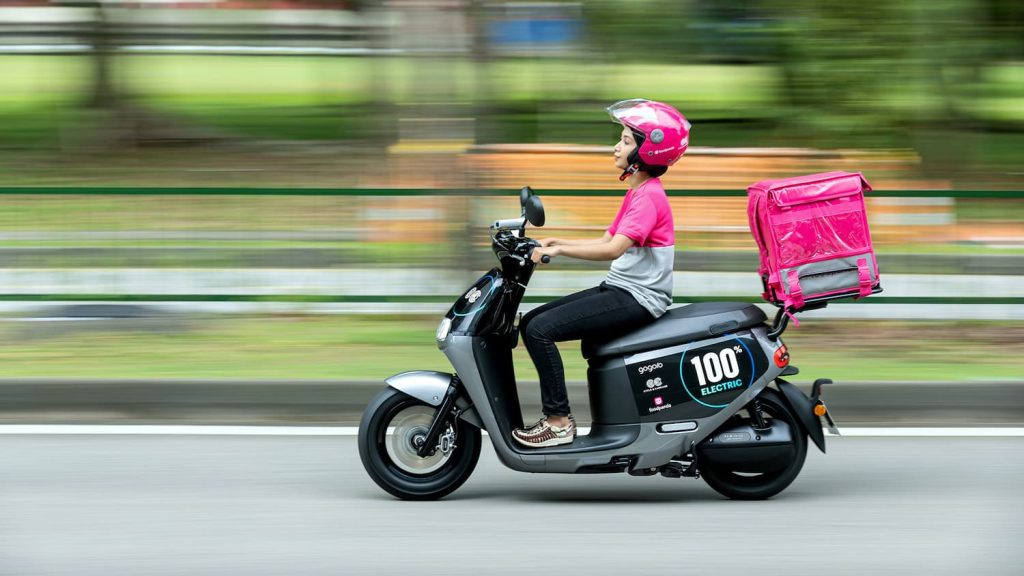
The proposal's emphasis on safety raises questions about the role of technology in addressing this issue. Can e-bikes be designed with built-in safety features that would prevent reckless behavior? Are there other solutions, such as education and outreach programs, that could address the root cause of the problem?
In conclusion, while the intention behind the proposal is to improve road safety, its focus on a specific group of riders raises concerns about consistency and fairness. A more comprehensive approach that addresses the root cause of reckless behavior would be a more effective solution.
The outcome of this proposal will have significant implications for delivery drivers, residents, and the city's transportation infrastructure as a whole. As the debate continues, it is essential to consider the potential consequences of this measure and explore alternative solutions that prioritize road safety while also acknowledging the needs of all road users.
The proposal raises questions about the effectiveness of targeting one group of riders while leaving others free to operate without restriction.