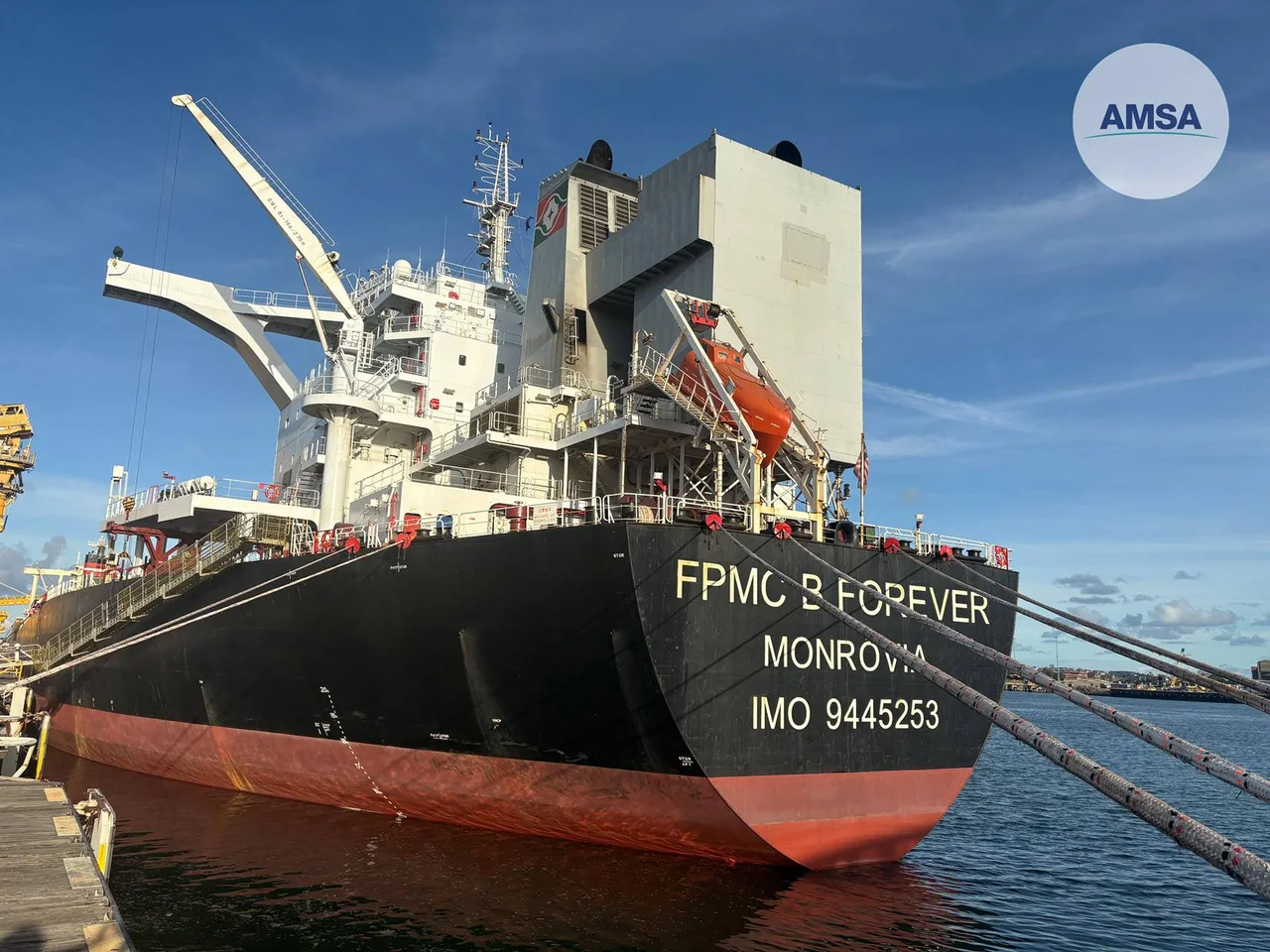
An Australian maritime authority has issued a third ban on a shipping company in under two months, highlighting the need for stricter enforcement of labor laws. The Australian Maritime Safety Authority (AMSA) boarded the FPMC B Forever, operated by Formosa Plastics Marine Corporation, at the Port of Newcastle for a port State control inspection. Inspectors found significant deficiencies, including underpayment of crew members and unauthorized charges for basic necessities like potable water. This blatant disregard for labor laws has severe consequences for both the company and the seafarers involved.
The Maritime Labour Convention (MLC) is an international agreement aimed at protecting the rights of seafarers worldwide. However, its implementation remains a challenge, with some companies choosing to exploit loopholes to cut costs. The Australian government's crackdown on these practices sends a clear message: underpaying crew members will not be tolerated.
AMSA has a history of taking enforcement action against shipping companies that breach labor laws. This latest ban serves as a warning to others who may think they can get away with similar practices. The consequences are severe, including millions of dollars in lost revenue and increased scrutiny from future inspections.
The impact of this ban extends beyond the company itself, affecting the entire supply chain. With the FPMC B Forever unable to enter Australian ports or waters until October 4, it will face significant losses in terms of revenue and business opportunities. This highlights the need for companies to prioritize fair labor practices and comply with international regulations.
Greg Witherall, AMSA's Acting Executive Director Operations, emphasized the importance of adhering to labor laws. 'Underpaying seafarers – by any amount – is unlawful and will trigger enforcement action,' he said. This statement underscores the agency's commitment to protecting the rights of seafarers and holding companies accountable for their actions.
The ban on Formosa Plastics Marine Corporation also serves as a reminder that the consequences of non-compliance can be severe. The company faces millions of dollars in lost revenue, which could have been better spent on fair compensation and benefits for its crew members.
Seafarers are not just employees; they are individuals who deserve to be treated with dignity and respect. The Australian government's actions demonstrate a commitment to protecting their rights and promoting fair labor practices throughout the shipping industry.
The shipping industry is often criticized for its lack of transparency and accountability. However, this latest ban shows that companies can be held accountable for their actions when they fail to comply with international regulations and labor laws.
As the shipping industry continues to evolve, it is essential that companies prioritize fair labor practices and comply with international regulations. The consequences of non-compliance are severe, and this latest ban serves as a warning to others who may think they can get away with similar practices.
The shipping industry faces increased scrutiny over labor practices.