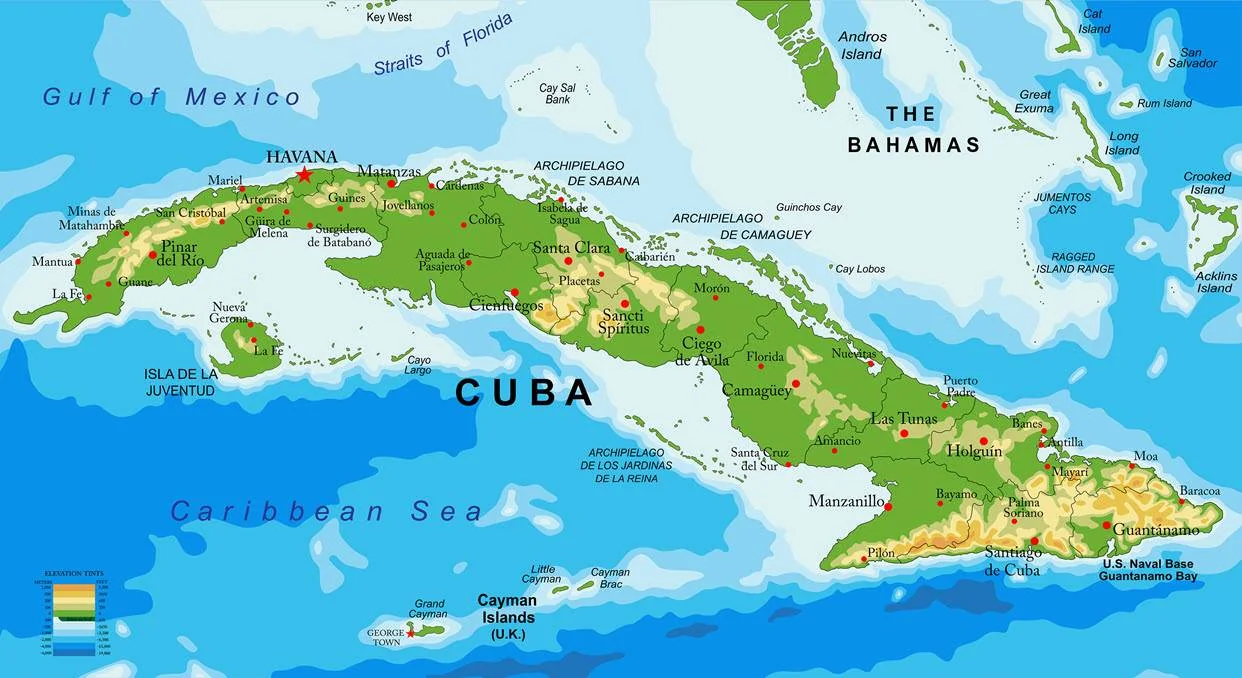
The US has been increasing pressure on Cuba in recent months, with the Trump administration halting shipments of oil from Venezuela and threatening to slap sanctions on any country supplying Cuba with oil. This move has left Cuba facing a severe energy crisis.
The Cuban government has accused the US of hypocrisy, citing decades of US sanctions against the island's government as the root cause of its economic and social woes. The US has responded by labeling the status quo in Cuba as unacceptable, adding that it would address the issue.
Cuban Foreign Minister Bruno Rodriguez characterized the US as 'hinting at a military action' to 'liberate' Cuba, saying it was hypocritical and cynical. He also called the threat of a military attack an international crime.
The US has been using social media to promote its views on Cuba, with Secretary of State Marco Rubio posting a statement calling for change in the island's government. The post was accompanied by photos of Rubio meeting with Cuban officials.
A recent photo showed Rubio shaking hands with General Frank Donovan, the head of the US Southern Command, which oversees US operations in the Caribbean region. This move has raised concerns about the level of US involvement in Cuba.
The Trump administration has also allowed a single Russian oil tanker to deliver fuel to Cuba for 'humanitarian reasons'. However, this move is seen as insufficient to address the island's energy crisis.
Cuban President Miguel Diaz-Canel has condemned the US comments as 'a dangerous escalation and one without precedents'. He has vowed that Cuba will not surrender to any aggressor.
The international community is increasingly concerned about the escalating tensions between the US and Cuba. The situation is likely to have significant implications for regional stability and global politics.
The energy crisis in Cuba is having a devastating impact on the island's residents, with many facing anxiety ahead of a long, hot Caribbean summer. The situation highlights the need for diplomatic solutions to address the crisis.
Cuba's top officials are urging calm and calling for an end to the US blockade, which has been in place since 1960. They argue that the blockade is an international crime that must be addressed through peaceful means.
The international community is increasingly concerned about the escalating tensions between the US and Cuba.