
A growing trend in the Chinese automotive industry is the increasing adoption of autonomous logistics. This shift towards electrification and automation is not only prevalent but also seems inevitable. As companies continue to invest in this technology, it's becoming clear that autonomous logistics is no longer just a concept, but a reality in China.
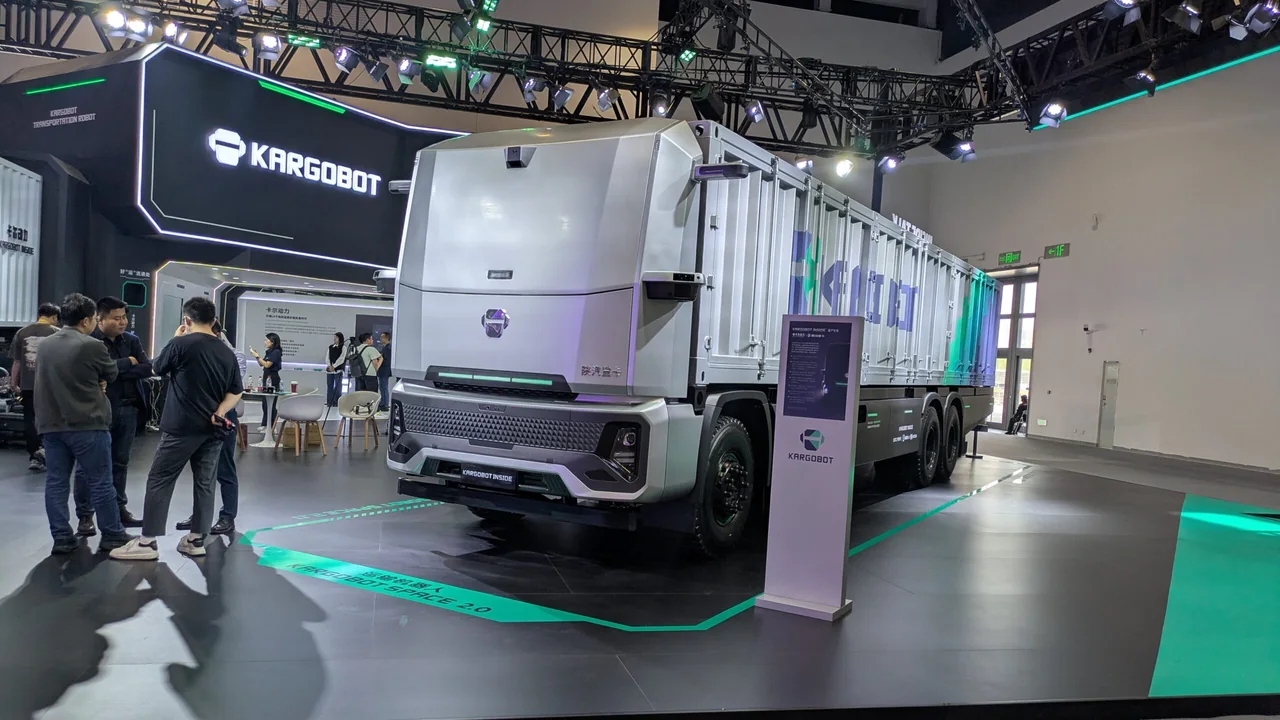
The recent Auto Beijing show saw multiple smaller logistics vehicles on display, all intended to replace vans for local cargo transportation and delivery. These 'Robovan' models are an example of the growing demand for efficient and cost-effective solutions in the logistics sector.
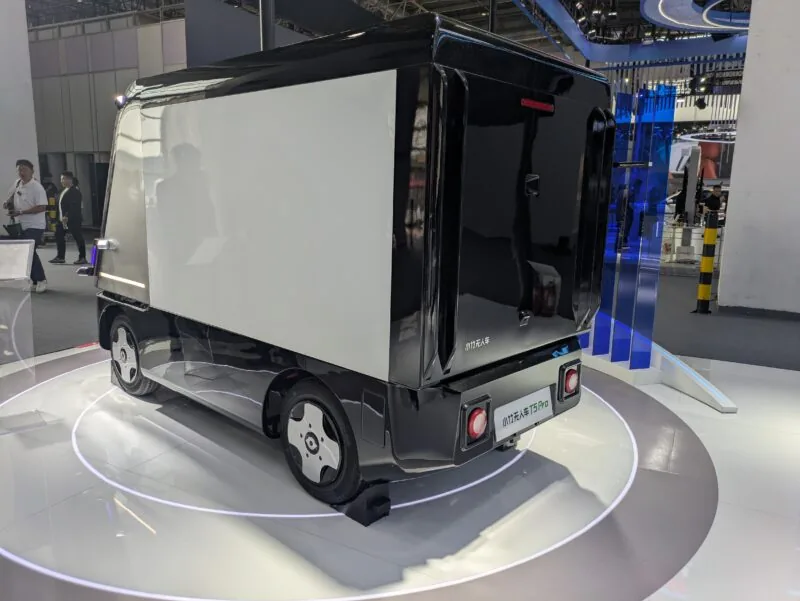
One company that caught attention was MINIEYE, which showcased its latest Bamboo Robovan T5 Pro. This vehicle is touted as the industry's first 'true mapless' L4 unmanned logistics vehicle, reducing dependence on HD maps and improving operation in unpredictable road conditions.
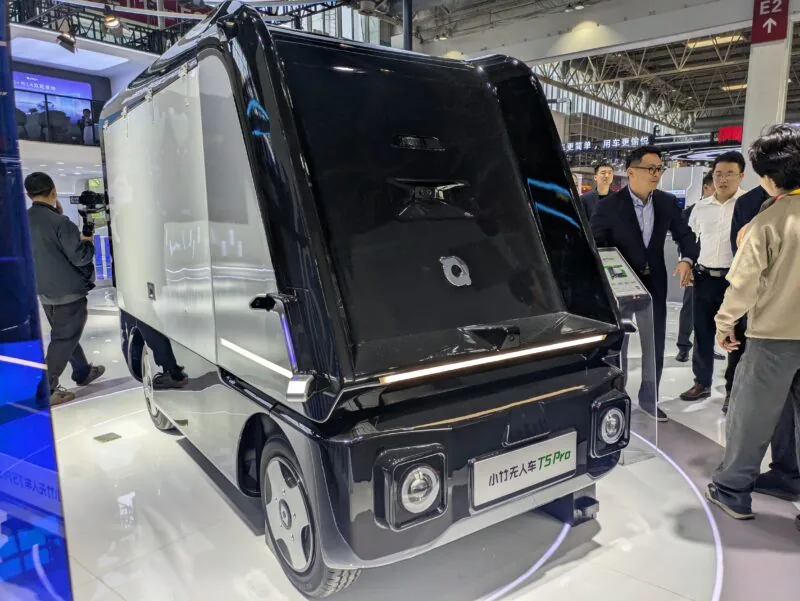
The Robovan uses MINIEYE's new iPilot 4 Max intelligent driving domain controller, allowing for more efficient automated delivery. With its compact footprint and impressive cargo capacity, this vehicle is well-suited for last-mile delivery applications.
MINIEYE's latest model builds upon the success of a previous version launched in September last year, which is currently operating in 18 cities. The new model will begin deliveries in a few months, demonstrating the rapid commercialization of autonomous logistics in China.
The Chinese innovation ecosystem plays a significant role in the country's technological development and deployment. With a wide range of suppliers and technology partners available, innovators can quickly engage with these partners to bring their ideas to market.
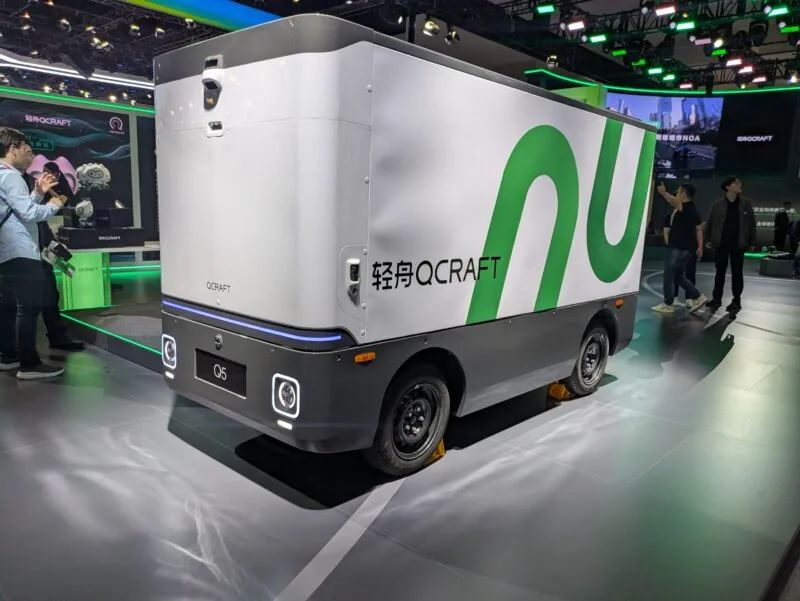
QCRAFT, founded by former Waymo employees, also showcased its L4 Robovan at the show. Their 'full-stack' technology uses a data closed loop to promote rapid R&D and iteration of algorithms, making them a notable player in the autonomous logistics industry.
While QCRAFT's L4 Robovan serves last-mile delivery needs, their QC01 Autonomous Logistics Robot covers the last few meters of delivery. This demonstrates the growing focus on comprehensive solutions for the entire delivery process.
As the most prevalent models at the show had interior volumes of around 5 cubic meters and payloads of over 1,000 kg, it's clear that autonomous logistics is becoming increasingly common in China. With ranges of around 200 km sufficient for last-mile delivery applications, these vehicles are well-suited for the task.
The prices of these autonomous logistics vehicles are not yet publicly disclosed, but with their compact footprint and impressive cargo capacity, they offer a promising solution for companies looking to reduce costs and increase efficiency in their logistics operations.
The Chinese innovation ecosystem provides a unique environment for rapid technological development and deployment.