

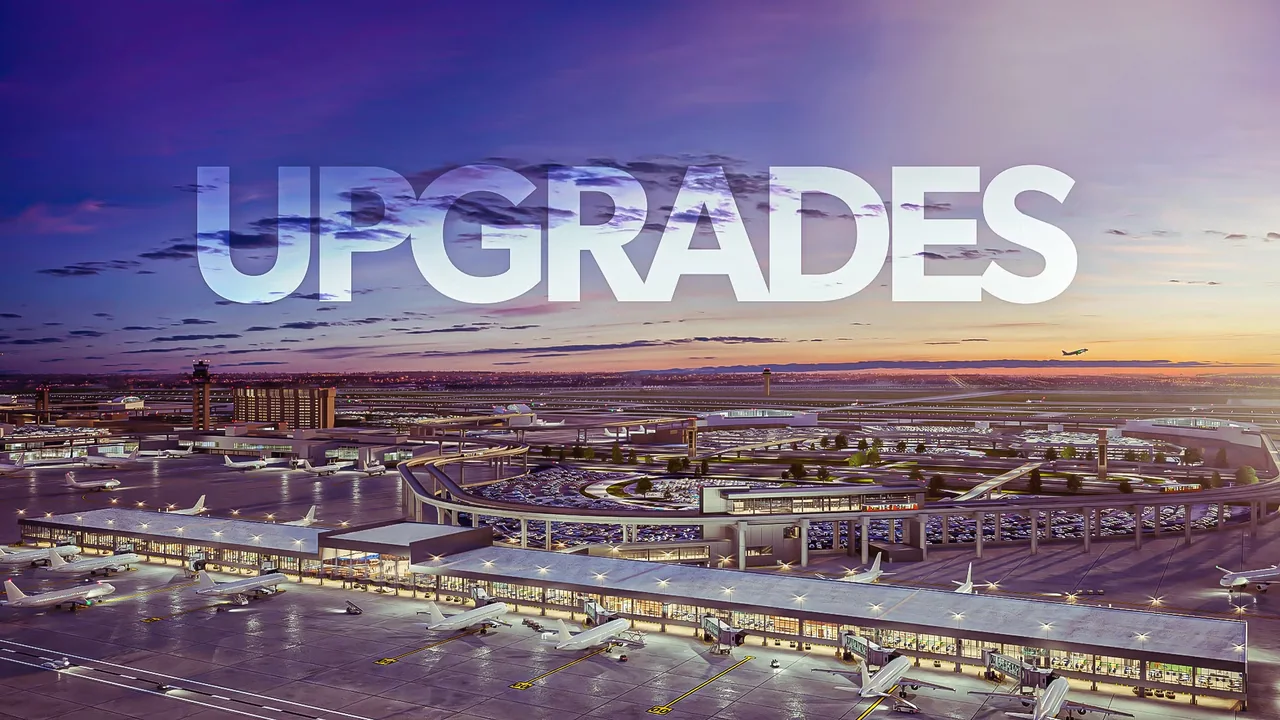
The United States is witnessing a significant transformation of its aviation infrastructure, with over $40 billion being invested in some of its busiest airports. This substantial investment reflects a long-overdue response to decades of aging facilities, growing passenger demand, and increasing global competition. The scale of individual projects is not the only factor driving this surge; rather, it's the simultaneous nature of these upgrades across the country that sets this moment apart.
The comprehensive redevelopment programs undertaken by airports are reshaping not only the physical layout but also the overall travel experience, positioning US aviation for a more efficient, competitive, and passenger-focused future. This transformation is driven by a recognition that airports must adapt to changing global competition and growing passenger expectations.
Reinventing New York's Global Gateway is one of the most ambitious projects in this wave of upgrades. The $9.5 billion New Terminal 1 at John F. Kennedy International Airport (JFK) promises to consolidate several aging international terminals into a single, unified facility, addressing long-standing inefficiencies caused by JFK's fragmented layout.

The development prioritizes passenger experience with over 300,000 square feet dedicated to retail, dining, and lounge spaces, bringing JFK closer to the standards of leading global hubs. The design emphasizes natural light, expansive interiors, and intuitive navigation to reduce congestion and make the journey smoother for international travelers.
Operational efficiency is another critical driver behind the transformation at JFK. By centralizing international operations, the new terminal is expected to streamline airline coordination, reduce transfer times, and improve overall reliability.
The transformation of John F. Kennedy International Airport (JFK) reflects a focus on global competitiveness, positioning it to better compete with top-tier international airports while handling increasing passenger demand more effectively.

Meanwhile, in Texas, the ambitious $12 billion 'DFW Forward' capital plan is underway at Dallas/Fort Worth International Airport (DFW). The $3 billion transformation of Terminal C is part of this initiative, alongside the planned construction of a new Terminal F that will significantly expand gate capacity and support future airline growth.
The comprehensive redevelopment programs undertaken by airports are expected to have a significant impact on the US aviation industry, with improved passenger experiences and increased operational efficiency driving growth and competitiveness.
As the US airport upgrade program continues to unfold, it's clear that these investments will play a crucial role in shaping the country's future as a global aviation leader.

By prioritizing passenger experience, operational efficiency, and global competitiveness, airports are setting themselves up for success in an increasingly competitive market.
The simultaneous nature of these upgrades across the US reflects a shift towards more efficient and competitive aviation, with a focus on delivering exceptional passenger experiences and driving growth through improved operational efficiency.
The simultaneous nature of these upgrades reflects a shift towards more efficient and competitive aviation.


