

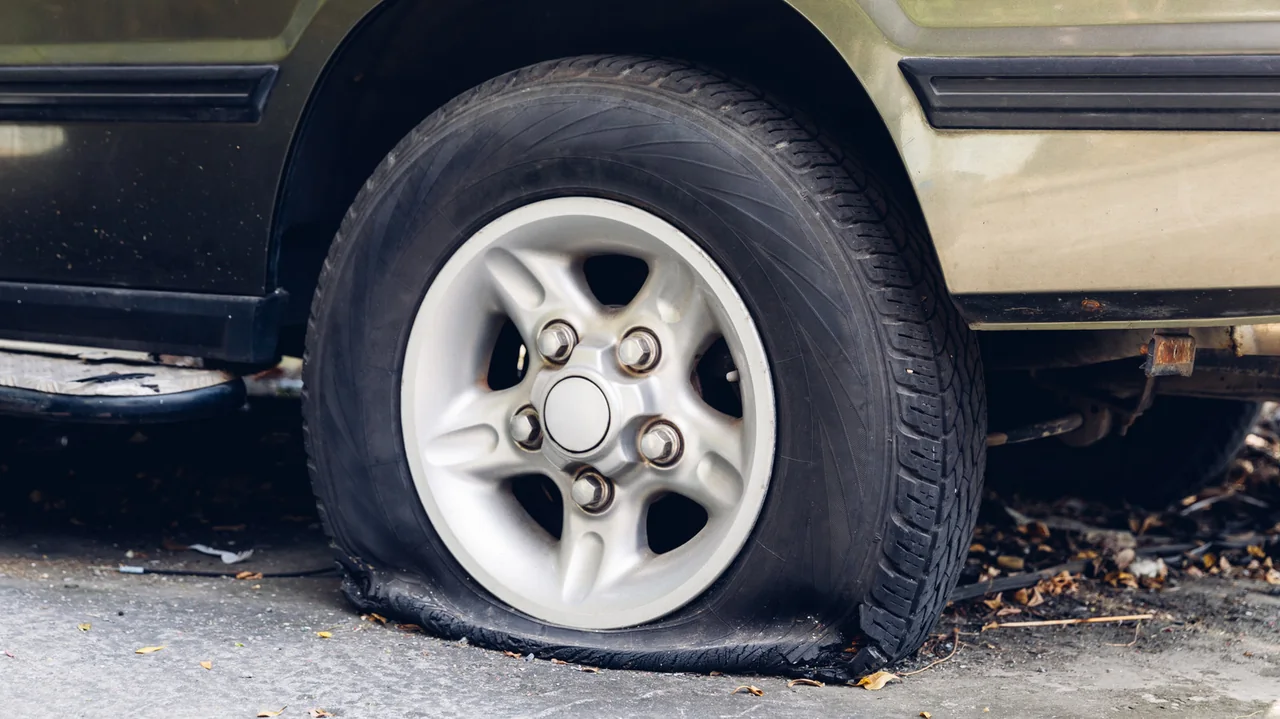
Tire blowouts are a driver's worst nightmare, causing vibrations, shuddering, and loss of control. Despite their unpredictable nature, most incidents are preventable with proper maintenance.
Aging tires with visible signs of dry rot or worn tires on severely bent rims are prone to bursting due to inadequate air pressure. However, studies show that over-deflection of a tire's tread surface is the leading cause of tire blowouts.
Underinflated or overloaded tires produce more friction and heat as they roll, putting unnecessary stress on the belt edges and tire's shoulder. This excessive heat can lead to material fatigue and blowouts.
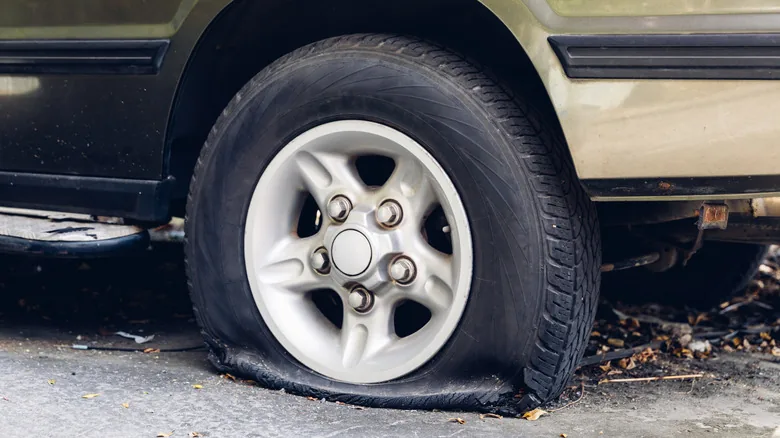
Overinflation also poses a risk, reducing traction and increasing the likelihood of damage from potholes. Too much air pressure weakens the structure of the tire, making it more prone to bursting.
Proper tire pressure maintenance is essential to prevent tire blowouts and ensure vehicle safety. It's not just about avoiding over- or under-inflation, but also checking for signs of dry rot and wear on tires.
When a front tire explodes, you'll feel increased vibrations in the steering wheel. In a rear tire blowout, the vehicle body will vibrate more intensely. Regardless of the location, maintaining control requires staying calm and reducing speed.

The moment a tire bursts, place both hands on the steering wheel and gradually lift your right foot off the accelerator pedal. Keep the nose pointed as straight as possible to stabilize the vehicle.
By understanding the hidden dangers of under- and over-inflation, drivers can take proactive steps to prevent tire blowouts and ensure their safety on the road.
The National Transportation Safety Board (NTSB) reports that over-deflection of a tire's tread surface is the most common cause of tire blowouts, highlighting the importance of maintaining correct air pressure.