


Lawnmower maintenance is essential for a successful mowing season. A little TLC at the beginning of the season can help extend the life of your mower and improve your yard's appearance. By checking five key components, you can ensure your lawnmower runs smoothly and efficiently all summer long.
Checking the gas level and condition is the first step in maintaining your lawnmower. Old gas can degrade over time, causing clogs and engine problems. It's recommended to run the tank to empty during the last mowing of the season and add fuel stabilizer to prevent degradation.
Sharpening the blade is also crucial for optimal performance. A dull blade can cause poor cutting quality, leading to uneven cuts and increased fuel consumption.

In addition to checking the gas level and sharpening the blade, it's essential to change the air filter, oil, and spark plugs regularly. These components work together to ensure your mower runs smoothly and efficiently.
Draining old gas safely is also important. If you forgot to drain the gas from the little can in the garage, you'll need to use a syphon or other method to dispose of it properly.
Performing routine oil checks is vital to extend the life of your mower's engine. A dirty oil can cause serious damage and lead to costly repairs.
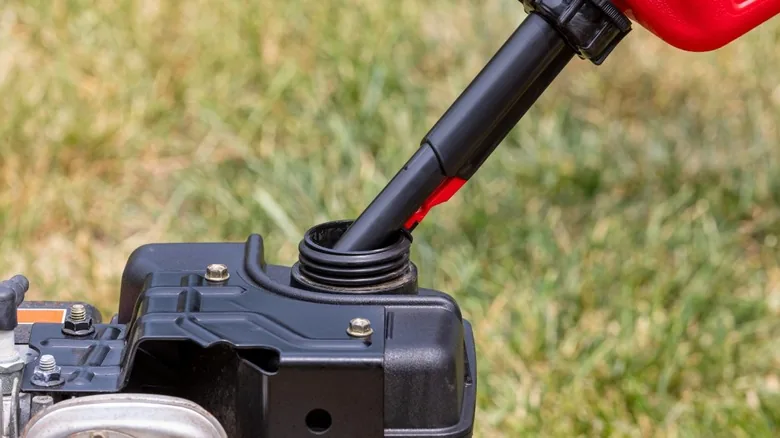
By following these five essential checks, you can ensure your lawnmower runs smoothly and efficiently all summer long. Regular maintenance will also help prevent breakdowns and reduce fuel consumption.
In conclusion, lawnmower maintenance is not just a chore, but a crucial part of maintaining a healthy and well-manicured yard. By taking the time to check these five essential components, you can enjoy a stress-free mowing season and a beautiful yard all summer long.
Finally, don't forget to take care of your lawnmower during the off-season. Store it in a dry place, clean it regularly, and perform any necessary maintenance tasks to ensure it's ready for next year's mowing season.
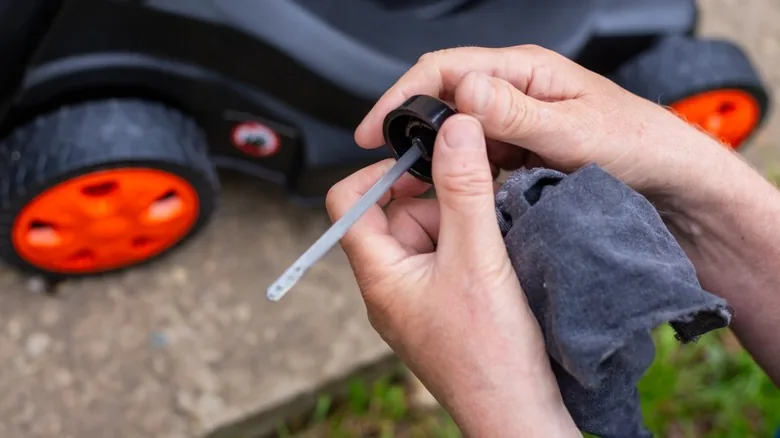
Regular lawnmower maintenance is crucial to ensure a smooth mowing season. Neglecting these simple checks can lead to reduced performance, increased fuel consumption, and even engine damage.